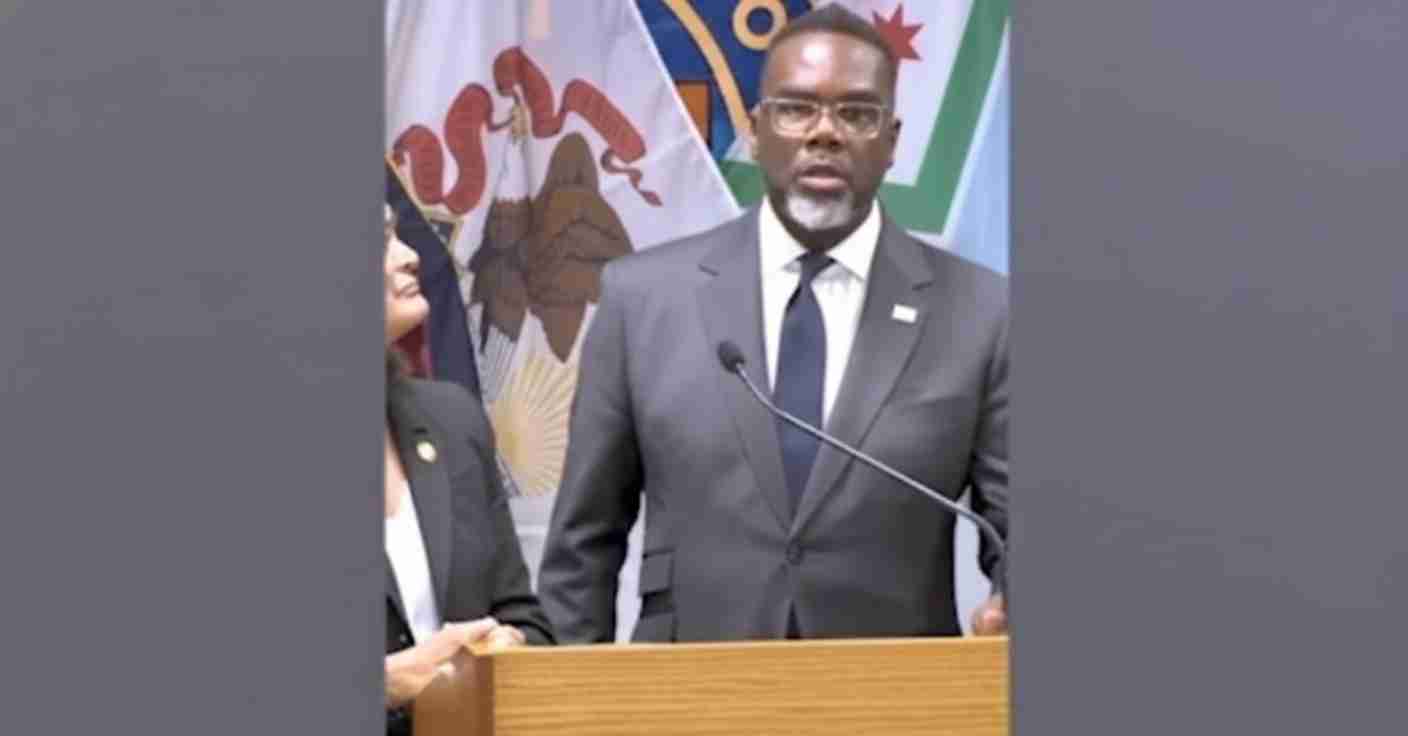
Chicago Mayor Brandon Johnson Erupts at Reporter Over Migrant Crime, Sparking Sanctuary City Debate
Chicago Mayor Brandon Johnson engaged in a tense exchange with a reporter over an alleged migrant-perpetrated assault, reigniting debate over the city’s sanctuary policies, public safety priorities, and the fiscal strain of migrant services on municipal budgets.
Key takeaways
- Confrontation: A heated back-and-forth between Mayor Johnson and a reporter focused on whether an accused undocumented migrant should face deportation.
- Sanctuary policy clash: The exchange spotlighted Chicago’s refusal to proactively assist ICE on civil detainers and the mayor’s argument that cooperation undermines trust with immigrant communities.
- Political fallout: Video clips amplified the issue online, fueling national debate and criticism from opponents who call for clearer accountability and public-safety answers.
- Utah implications: Lawmakers and local officials in Utah may use the episode to argue for stricter cooperation with federal agents and to reassess fiscal and operational planning for migrants.
What happened at the exchange
Video shows a reporter confronting Mayor Johnson about a violent attack the reporter said was committed by an undocumented migrant and pressing whether the suspect should be deported. The video of the interaction circulated widely online, along with several short clips that spread on social platforms.
In the exchange, the reporter asked whether Johnson’s view would change if the victim were his own wife or family member. The mayor repeatedly declined the hypothetical, interrupted the line of questioning, emphasized broader policy points, and moved on without a direct answer—behavior critics called evasive and supporters called a refusal to be baited by a provocative line of inquiry.
Reporter (accusatory): The line of questioning framed the issue as “rules for thee, not for me”, contrasting officials’ protections and security details with the perceived vulnerability of ordinary residents.
Mayor Johnson’s stated position
Mayor Johnson and his team have defended Chicago’s sanctuary status as foundational to community safety. Johnson argues that when local police assist federal immigration enforcement on civil matters, immigrant residents may fear reporting crimes or cooperating with police, which he says undermines investigations and public safety.
The mayor’s office maintains the city will follow federal and state law but will not proactively honor civil immigration detainer requests from ICE unless legally required. Supporters say the approach builds trust and protects vulnerable residents; critics say it can leave communities less safe and shift scarce resources toward newcomers.
Political fallout and public reaction
Clips of the exchange were amplified across social media and conservative outlets, where critics framed Johnson’s refusal to answer as avoidance and evidence of a broader policy failure in major liberal-run cities. Supporters counter that focusing on single incidents misleads the public about long-term crime trends and that trust-building with immigrant communities is essential for effective policing.
The debate is set against a national backdrop of heightened tensions over migration, protests, legal challenges, and deployments that have drawn state leaders into jurisdictional disputes and operational conflicts with federal actions.
Sanctuary policy and fiscal questions
Critics have pressed city leaders about costs tied to migrant support programs, arguing that municipal budgets and services—schools, housing, healthcare—are strained. Proponents argue that federal policy gaps force cities to respond to humanitarian needs and that some federal and state aid has been provided to help manage the influx.
Opponents argue the pace and scale of arrivals outstrip planning and that clearer answers — including how deportation is handled in serious-crime cases — are needed to restore public trust. The mayor’s office insists budgets and resources are being managed while calling for federal solutions.
Legal and operational limits for cities
Legal constraints limit how far local governments can act on immigration. Local police generally lack authority to enforce federal immigration law and face trade-offs between legal obligations and community trust when asked to assist ICE. These legal realities shape the sanctuary debate: proponents emphasize local priorities and civil rights, while opponents warn of public-safety blind spots created by municipal policy choices.
Sources and video of the exchange
- Full video of the exchange between Mayor Johnson and a reporter
- Short clip: reporter confrontation (short)
- Short clip: alternate angle (short)
- Mayor Johnson discussing sanctuary policies and trust with immigrant communities
- Video: protests and federal-local tensions in Chicago
- Fox News coverage of public reaction and criticism
- Reporting on legal maneuvers and federal deployments tied to immigration disputes
Implications for Utah
Economic impact: Utah communities could see pressure if federal migrant-relocation patterns shift. Though Utah receives fewer arrivals than large coastal cities, local services—schools, housing, healthcare, and law enforcement—could face increased demand if arrivals rise or federal support is limited.
Political consequences: The Chicago exchange feeds national talking points ahead of elections. In Utah, conservative officials may amplify the episode to push for stricter state rules and tougher cooperation with federal immigration agents.
Social effects: High-profile clashes over sanctuary policies can alter immigrant communities’ trust in police and institutions. Utah leaders will watch whether tensions elsewhere erode local reporting and cooperation, potentially affecting neighborhood safety.
Cultural relevance: Messaging framed as “rules for thee, not for me” resonates with Utah’s conservative electorate and may shape debates over resource allocation and official protections.
Practical applications: County and city officials in Utah may reassess cooperation policies, emergency housing plans, and budget contingencies. Expect louder debates at city council meetings and potential state-level legislative responses.
What Utah policymakers can watch next
- Track legal actions and federal deployments that affect local authority and resources — see coverage of legal maneuvers and deployments.
- Monitor state budget discussions for shifts in funding that might support localities facing migrant-related costs.
- Follow local law enforcement guidance on interactions with federal immigration agents and community outreach strategies to maintain trust and public safety.
Conclusion
The exchange between Mayor Brandon Johnson and a reporter has reinvigorated national debate over sanctuary cities, public safety, and fiscal responsibility. For Utah officials and residents, the episode serves as a case study in how municipal choices intersect with legal limits, community trust, and political messaging.