Two West Virginia National Guard members critically shot near White House; Afghan national suspect also hospitalized as immigration pause follows
Two West Virginia National Guard members were critically wounded near a White House-area Metro stop after an unprovoked shooting by a 29-year-old Afghan national; the administration paused Afghan immigration processing as officials investigate.
Key takeaways
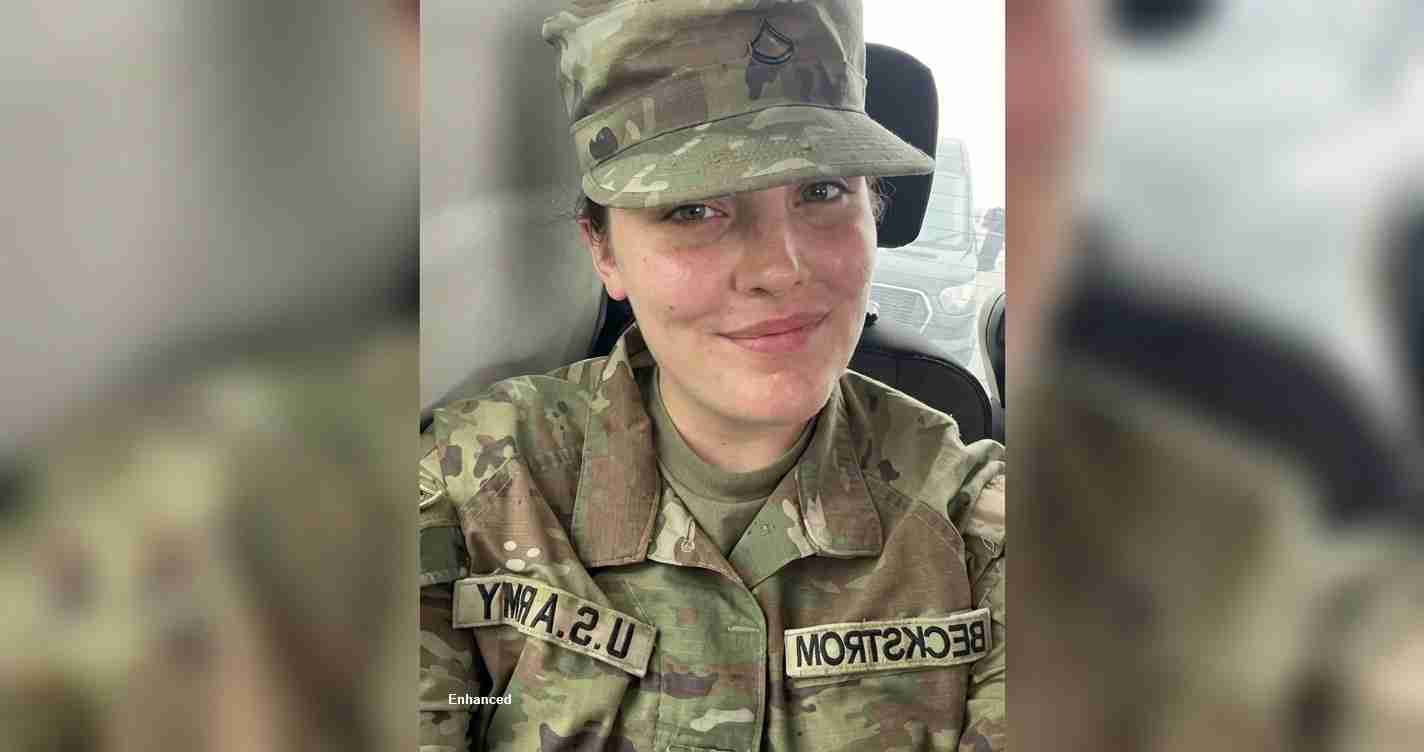
- Victims: Spc. Sarah Beckstrom, 20, and Staff Sgt. Andrew Wolfe, 24, are in critical condition after being shot while on duty.
- Suspect: A 29-year-old Afghan national, admitted in September 2021 and later granted asylum in 2025, was taken to hospital in serious condition — see the source video.
- Government action: The Trump administration paused processing immigration applications for Afghan nationals pending a vetting review.
- Ongoing probe: Investigators are reviewing motive, immigration vetting and whether the attack was isolated.
The shooting: what officials say
Officials report the two West Virginia National Guard members were shot while posted near a Metro stop close to the White House as part of a security detail. Law enforcement said the suspect used a .357 Smith & Wesson revolver and opened fire without provocation. Police subdued the suspect at the scene and transported him to a hospital in serious condition; the incident is captured in a source video.
“The pair had volunteered for deployment to Washington as part of the administration’s effort to bolster security in the capital,” officials said, noting the shooting occurred outside a busy Metro station where Guard troops have been posted.
Status of the service members
Spc. Sarah Beckstrom, 20, and Staff Sgt. Andrew Wolfe, 24, were rushed to local hospitals and remained in critical condition as of Thursday, Nov. 27, 2025. Family members and unit leadership have been notified; military and hospital support services were activated.
The suspect’s background and immigration questions
Authorities identified the shooter as a 29-year-old Afghan national who entered the United States in September 2021 after the U.S. withdrawal from Afghanistan. A Department of Homeland Security official told CBS News the man had been granted asylum earlier in 2025 on humanitarian grounds. Investigators continue to probe his background, motives and any potential radicalization or mental health factors; materials and footage are being reviewed, including the source video.
Federal response and policy action
In response to the attack, the Trump administration announced a temporary pause in processing immigration applications for Afghan nationals while federal agencies review vetting procedures and the suspect’s case. Officials described the pause as a short-term measure to review screening protocols and the specific immigration record tied to this investigation.
This development is already shaping debate over how to balance humanitarian resettlement and public safety, and it raises questions about the future posture of National Guard deployments to the capital. Several states’ Guard units, including West Virginia’s, have been supporting federal and local authorities in recent months.
Points investigators are examining
- Motive: Whether the shooting was premeditated, ideologically driven or opportunistic.
- Background checks: How the suspect’s asylum and immigration applications were processed and whether red flags were missed.
- Security posture: Whether Guard protocols at transit hubs and high-profile sites should be revised to reduce risk to service members and the public.
Voices and reactions
Local leaders, lawmakers and military officials expressed concern for the wounded soldiers and called for a thorough investigation. Families have requested privacy while medical teams provide care. National political leaders framed the attack within broader immigration and national security debates, and responses are likely to influence policy discussions in Washington.
Why this matters to Utah
Utah, with a significant tradition of military service and large National Guard participation, is attuned to developments that could affect deployments, readiness and community support systems. The incident’s policy fallout — particularly around immigration vetting — may resonate strongly among Utah officials and constituents.
Implications for Utah
Economic and operational impact
- National Guard readiness: Changes in federal orders or guard posting protocols could affect Utah Guard units and training requirements.
- Costs and resources: Increased deployments or new training could strain state budgets for overtime, medical support and logistics.
Political consequences
- Immigration debate: Utah lawmakers may press for tougher vetting and clearer rules for asylum and humanitarian parole.
- Law-and-order messaging: Conservative leaders may use the incident to advocate stricter policies on borders and protections for service members.
Social and community effects
- Support for families: Local veteran and faith-based organizations may expand counseling and financial support for affected families.
- Refugee communities: Utah’s resettled Afghan families could face stigmatization, prompting leaders to balance security reforms with community protections.
Practical implications for daily life
- Public safety: Expect increased visibility of Guard and security measures at federal buildings and transit hubs, including in Washington where Utahns may travel.
- Engagement with leaders: Constituents will have opportunities to press state and federal representatives on vetting and protections for service members.
Ongoing coverage and what to watch for
Key developments to monitor include hospital updates on Spc. Sarah Beckstrom and Staff Sgt. Andrew Wolfe, formal charging decisions by federal prosecutors, the results of Homeland Security’s immigration review, and any responses from Utah’s congressional delegation or state leadership. Investigators have said they will release more details as the probe progresses; observers and officials will be watching official statements and the investigative timeline closely. Relevant footage and reports, including the initial source video, remain part of the public record being reviewed.
Sources
Primary visual and reporting source: source video (Times Media Service).