Dearborn residents press city to curb mosque loudspeakers as noise complaints mount over call to prayer
Dearborn residents are urging city officials to curb outdoor mosque loudspeakers, prompting police decibel tests, city inspections and council debate over noise rules, religious freedom and community tensions in neighborhoods across the city.
- Noise complaints prompted police visits and decibel testing at multiple mosque sites (source).
- City inspectors installed monitors and reported readings generally below rule averages (source).
- Current code bans amplified devices 10 p.m.–7 a.m.; council weighing whether further clarification is needed (source).
- Residents fear complaints will be labeled Islamophobic, complicating open discussion in a diverse city (source).
Police investigation and city response
Dearborn police responded to multiple noise complaints by visiting mosque sites and using sound meters to perform on-site decibel testing. Results varied by location, and officials emphasized tests occurred at different times to capture variations tied to prayer schedules and weather.
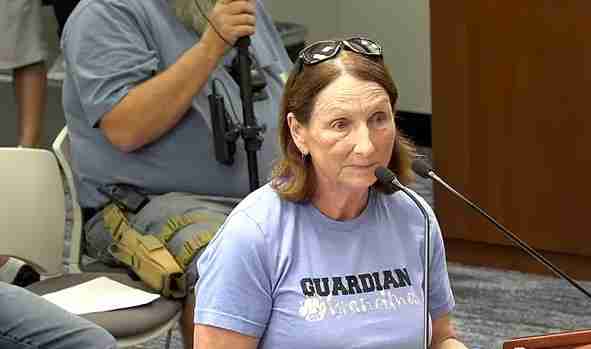
Nabeel Bahar, director of the Dearborn Community Center, told investigators his facility’s loudspeaker was determined to be “not too loud” when tested, a point raised publicly at a City Council meeting. source
City inspectors also placed monitoring devices at other locations and reported readings they described as “below the average of the rules.” Officials caution that decibel data are one element of a broader investigation and that documentation must cover multiple times and conditions to be conclusive. source
City council involvement
City Council President Mike Sirianni said the council is tracking investigations and seeking clearer answers about whether outdoor loudspeakers are allowed under local law. The issue has been discussed during council meetings as staff complete technical testing and collect evidence. source
Council discussion highlighted a gap between expectations and legal language: some members asked whether the code clearly permits or bans amplified religious speech outside the 10 p.m.–7 a.m. window. Others urged patience until staff present consistent data and legal analysis.
Legal questions: Dearborn noise ordinance and mosque call to prayer rules
A central legal question is how Dearborn’s noise ordinance applies to amplified religious broadcasts. City staff pointed to an existing prohibition on amplified devices between 10 p.m. and 7 a.m. that informs enforcement decisions. source
Some residents and council members say the ordinance lacks explicit language about amplified religious speech during permitted hours. Mosque leaders maintain the calls to prayer are lawful, routine expressions of worship, and note that several site tests found acceptable sound levels. City officials are gathering more evidence and may recommend clarifying language or specific rules targeting outdoor loudspeakers to ensure consistent enforcement.
Community tensions and residents’ fears
Dearborn’s large Arab-American and Muslim population frames this dispute: many neighbors say they hesitate to raise noise concerns for fear of being labeled Islamophobic. That reluctance, residents say, has limited open discussion about quality-of-life issues.
“Some neighbors are reluctant to speak out for fear of being labeled Islamophobic,” residents told city officials, complicating efforts to discuss noise and neighborhood standards.
Mosque leaders and community advocates counter that complaints can stem from cultural misunderstandings and emphasize willingness to work with officials and neighbors. City leaders stress the need for practical solutions that respect religion while enforcing noise laws fairly. source
What’s unresolved
The city has not issued new rules or penalties specifically for mosque loudspeakers. Investigations continue as officials review decibel data, ordinance language and public feedback. The process could yield clearer guidelines on call-to-prayer rules, amplified sound limits or tailored enforcement procedures.
Until the matter is resolved, neighbors and worshipers remain in a holding pattern: some residents want immediate limits; mosque leaders seek a measured, non-stigmatizing process grounded in technical results and legal review. source
Sources and reporting
This report relies on public comments, City Council discussion and local reporting. Video and statements cited in this article are available from local reporting and public meeting recordings (source).
Implications for Utah
The Dearborn dispute has potential lessons for Utah municipalities:
- Economic: Clear rules can reduce enforcement costs and avoid prolonged legal fights that harm community reputation and investment.
- Political: Councils should ensure ordinances are clear and applied evenly to balance public order and religious freedom.
- Social and cultural: Growing diversity can test local norms; neutral rules and facilitated dialogue can reduce tensions while protecting worship practices.
Practical applications for municipal leaders
City leaders in Utah and elsewhere are advised to:
- Review municipal codes for gaps similar to those identified in Dearborn, especially time limits and decibel thresholds.
- Train police on how to perform and document decibel tests consistently.
- Encourage mediated talks between neighbors and faith leaders before disputes escalate.
- Consider neutral, written guidance on outdoor loudspeakers that protects both worship rights and neighborhood peace.
For residents and faith leaders
For residents: Document times and disturbances, follow local complaint procedures and request official testing when needed.
For faith leaders: Engage neighbors early, consider voluntary volume limits or technical solutions, and work with the city to develop rules that respect worship and local peace.
Note: Reporting in this article relies on public statements, council meeting discussion and local reporting; video and statements cited are available via public recordings (source).