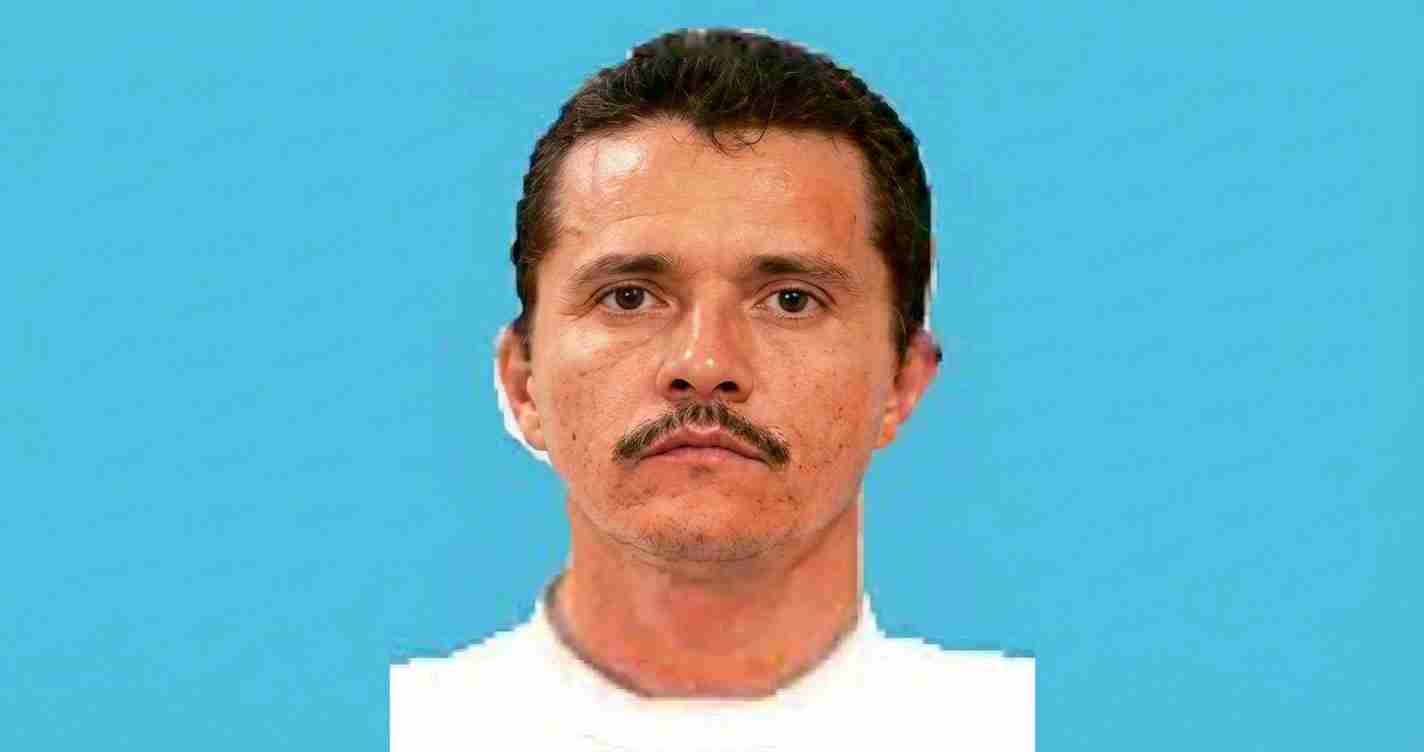
Mexican military operation in Tapalpa kills CJNG leader Nemesio Oseguera Cervantes, “El Mencho”
Mexican authorities killed Nemesio Oseguera Cervantes, “El Mencho,” on Feb. 22, 2026, after a joint operation in Tapalpa, Jalisco, aided by U.S. intelligence — a major blow to the Cartel de Jalisco Nueva Generación and fentanyl trafficking networks.
Key takeaways
- El Mencho killed: Nemesio Oseguera Cervantes, leader of CJNG, was killed during a Jalisco military operation on Feb. 22, 2026 — reported by Fox News.
- U.S. intelligence aided the raid: Mexico’s Defense Department said U.S. authorities provided complementary intelligence that helped locate and target Oseguera Cervantes (Fox News).
- Violent engagement: The Tapalpa raid produced a shootout: four people died at the scene, El Mencho was wounded and later died en route to Mexico City, two suspected CJNG members were detained, and troops seized heavy weapons and armored vehicles (Fox News).
- National and international effects: The death prompted shelter-in-place advisories from the U.S. Embassy, a Jalisco “Code Red,” and raises questions about cartel fragmentation and fentanyl flows to the U.S. (Fox News).
Operation details: how the raid unfolded
Morning raid in Tapalpa: Mexican troops moved into the mountainous town of Tapalpa, Jalisco, on Sunday morning as part of a bilateral operation. Mexico’s Defense Department said the operation was carried out with complementary intelligence provided by U.S. agencies that helped track Oseguera Cervantes. Source reporting of the operation and coordination is available via Fox News.
Shootout and casualties: The engagement turned violent when security forces clashed with suspected CJNG members. Officials reported four people died at the scene; El Mencho was wounded during the clash and later died while being transported to Mexico City. Authorities detained two suspected CJNG operatives. Three members of Mexico’s armed forces were injured in the operation (Fox News).
Weapons and materiel seized: Troops recovered a cache of heavy weaponry and armored vehicles, including rocket-propelled munitions and equipment reportedly capable of downing aircraft. The haul underscores the growing militarization of cartel forces and the heightened risks to soldiers and civilians during such operations (Fox News).
Who was El Mencho and why his death matters
Background and rise: El Mencho rose from modest beginnings — including early service as a police officer — to lead the Cartel de Jalisco Nueva Generación (CJNG). Over roughly 15 years, CJNG expanded from a regional actor into a powerful, international trafficking organization based in Jalisco. Under his leadership CJNG diversified operations and became a major supplier of illicit fentanyl to the United States. The U.S. had placed a $15 million reward for information leading to his capture (Fox News).
Wider cartel dynamics: CJNG’s rise accelerated in the aftermath of Joaquín “El Chapo” Guzmán’s 2016 arrest, reshaping cartel competition and creating openings for aggressive groups. Experts caution El Mencho’s removal is a major blow but not a simple end: leadership voids often trigger complex, sometimes violent, reorganization among rival cells and fragments.
U.S. role and international reaction
Bilateral coordination: Mexico’s Defense Department publicly acknowledged that U.S. authorities provided complementary intelligence that aided the operation. Officials describe the effort as the result of months of cooperative pressure and intelligence-sharing aimed at disrupting fentanyl supply networks (Fox News).
“A great development for Mexico, the US, Latin America, and the world,” U.S. Deputy Secretary of State Christopher Landau posted on X. “The good guys are stronger than the bad guys.”
The transnational nature of CJNG — including trafficking routes and fentanyl production — made U.S.-Mexico intelligence sharing critical, officials say. Continued coordination is presented as necessary to dismantle cross-border supply networks that contribute to overdoses and violent crime in U.S. communities.
Aftermath and security response across Mexico
Immediate unrest: News of El Mencho’s death prompted unrest across Mexico. Clashes were reported in Jalisco and in several northern border states. The U.S. Embassy in Mexico issued shelter-in-place advisories for multiple states while security forces moved to stabilize hotspots. Jalisco Governor Pablo Lemus Navarro declared a “Code Red” and state and federal forces mobilized to restore order (Fox News).
Collateral damage and risks: Authorities reported roughly 20 branches of Banco del Bienestar were damaged amid violent incidents tied to unrest. Analysts warn removal of a cartel leader commonly triggers short-term spikes in violence as rival factions compete for territory and control; other tactics may include attacks on infrastructure and public services to instill fear.
Implications for Utah
El Mencho’s death has practical and political implications for U.S. states like Utah that face fentanyl-related harms and rely on cross-border enforcement partnerships.
Economic impact
- Fentanyl supply: CJNG has been a major supplier of fentanyl reaching U.S. streets. Disruption in leadership could alter trafficking patterns; Utah may see short-term shifts in interdictions and drug availability.
- Trade and tourism: Heightened instability in parts of Mexico can temporarily affect travel and commerce; Utah businesses with Mexico-linked supply chains should monitor advisories.
Political consequences
- Border security and cooperation: The operation underscores the value of cross-border intelligence sharing. Utah leaders may press for sustained cooperation, funding, and technology to secure the border and limit fentanyl flows.
- Federal support: The bilateral success could bolster requests for federal resources for seizures, interdiction, and treatment programs in Utah.
Social effects
- Public safety concerns: Families in Utah remain affected by fentanyl deaths; a major cartel leader’s removal is not an immediate cure. Authorities should prepare for potential changes in drug availability and potency.
- Community outreach: Faith-based and conservative community groups providing recovery and prevention services can expand outreach as enforcement shifts.
Cultural relevance
- Law-and-order values: The joint U.S.-Mexico action aligns with values prioritized by many Utah residents — safety, strong families, and community resilience.
- Local responsibility: The event highlights the need for local support for prevention, treatment, and targeted enforcement against supply chains.
Practical applications for Utah residents and officials
- Monitor official advisories: Utahns traveling to Mexico should follow State Department alerts and U.S. Embassy guidance; shelter-in-place notices illustrate a fluid risk environment.
- Strengthen interagency coordination: State and local law enforcement should coordinate with federal partners to track trafficking trends affecting Utah.
- Expand treatment and prevention: Prioritize funding for treatment centers, naloxone distribution, and public education to reduce demand and save lives.
- Support border interdiction: Continued investment in customs, border patrol, and forensic labs will help detect and stop fentanyl shipments linked to groups like CJNG.
Reporting notes and sources
This article draws on statements from Mexico’s Defense Department and reporting compiled by Times Media Service, which cited coverage of the operation and its aftermath by Fox News. U.S. Deputy Secretary of State Christopher Landau’s comments were posted on X and referenced in official briefings and coverage. Mexican state and federal security updates described mobilization of National Guard and army units, damage to banks, and emergency declarations following the operation (Fox News).
Open investigative questions: Authorities continue work to confirm the CJNG chain of command after El Mencho’s death, the full inventory of weapons and materiel seized, and how quickly rival groups may move to fill any vacuum. Federal, state, and local agencies in the U.S. should monitor developments closely to adapt interdiction and public health responses that protect Utahns and communities nationwide (Fox News).