Warren Blames Trump for “Monday Night Football” Blackout; Washington Post Fires Back, Calls It a Private Sector Fight
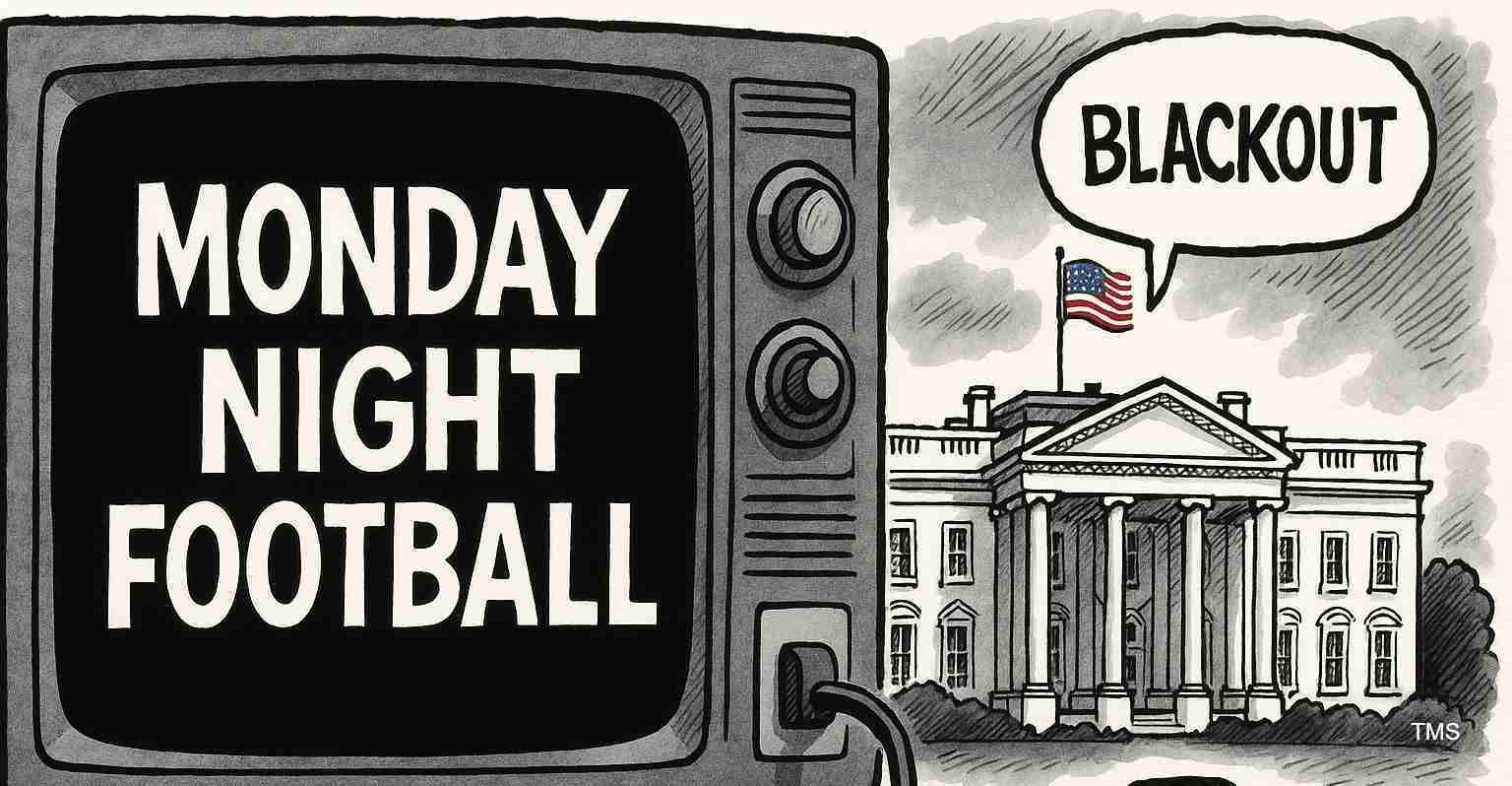
Sen. Elizabeth Warren blamed former President Trump for a Disney–YouTube TV carriage blackout that dropped ESPN’s Monday Night Football, arguing it reflects unchecked corporate power — a claim The Washington Post editorial board called a misreading of a private-sector dispute.
- Carriage dispute: Disney channels, including ESPN, were pulled from YouTube TV after contract talks stalled (AOL coverage).
- Warren’s claim: She tied the blackout to corporate consolidation and said former President Trump “let them get away with it” (video coverage).
- Post’s response: The Washington Post editorial board labeled the outage a private-sector carriage negotiation, not a direct policy outcome (video coverage).
- Bigger debate: The episode has reopened arguments about media consolidation, antitrust enforcement and whether government should intervene in distributor–programmer disputes (AOL coverage).
What happened: the Disney — YouTube TV blackout
Viewers nationwide lost access to Disney-owned channels — including ESPN, the carrier of Monday Night Football — after contract talks between Disney and YouTube/Google broke down. When programmers and distributors can’t agree on carriage fees and contract terms, channels can be pulled until a deal is reached; that is what occurred here (AOL coverage).
Why viewers were upset
Monday Night Football draws large, loyal audiences. For many Americans the game is a weekly ritual; when ESPN disappeared from YouTube TV, fans and paying subscribers flooded social media with complaints. Local businesses — bars, restaurants and sports venues — that depend on game-day traffic also reported immediate losses.
What Senator Warren said
Sen. Elizabeth Warren used social media to link the blackout to unchecked corporate power. She wrote:
“You might not be able to watch Monday Night Football tonight. Why? When companies get too big, they have the power to cut off your favorite channels. That’s what’s happening here. And what’s Trump done about it? He’s let them get away with it.”
Warren’s comments align with her broader push for aggressive antitrust enforcement and closer scrutiny of mergers and platform power (video coverage).
Washington Post pushes back
The Washington Post editorial board criticized Warren’s framing, calling the blackout a standard carriage negotiation between a content owner and a distributor. The paper argued that blaming a president for a discrete private contract dispute misconstrues how carriage agreements work and warned against normalizing political intervention in private negotiations (video coverage).
How the debate fits into the larger fight over consolidation
This episode links to enduring questions about media consolidation and the power of large platforms. Critics say consolidation gives a few firms outsized control over content and pricing; defenders of market solutions say carriage disputes are routine business negotiations and that government meddling could produce worse outcomes. Warren’s critique fits her larger antitrust agenda, while opponents say blaming an administration for private bargaining is misplaced (AOL coverage).
Responses and reactions
Warren’s post prompted swift reaction on social media and in commentary. Some users mocked the framing as capitalism at work; others used the moment to push for stricter oversight of media and tech consolidation. The Washington Post editorial board made clear it viewed the blackout as a private dispute and cautioned against using the incident to justify immediate government intervention (video coverage).
Why some legal and policy experts say the link is weak
Antitrust and communications law specialists note presidents have limited control over day-to-day carriage talks. Agencies like the Federal Communications Commission and the Department of Justice oversee merger reviews and antitrust enforcement broadly, but individual carriage disputes are generally settled under contract law and business negotiation. Addressing that system would likely require legislative or regulatory change rather than an executive order — a key point behind The Washington Post’s critique (AOL coverage).
Implications for Utah
Economic impact
Utah bars, restaurants and sports lounges that rely on game-day patrons faced lost revenue during the blackout. Local advertisers targeting high-viewership events risked reduced reach and short-term ad revenue declines.
Political consequences
In conservative Utah, voters tend to favor market solutions and limited government intrusion. The Washington Post’s critique may resonate with local conservatives who view government intervention as a slippery slope, and conservative commentators may use the episode to argue against sweeping regulatory fixes.
Social and cultural effects
Sports are social glue in many Utah communities. With no local NFL franchise, national broadcasts are primary communal viewing experiences. The blackout disrupted those gatherings and highlighted the reliance on national carriage deals for shared cultural moments.
Practical applications for residents
Utah subscribers should check service-status pages and consider backup viewing options. Local establishments may reduce risk by maintaining secondary streaming services or over-the-air solutions to avoid future disruptions.
What to watch next
- Whether Disney and YouTube/Google resolve their carriage dispute and restore service to affected subscribers (AOL coverage).
- Whether antitrust advocates, including Sen. Warren, leverage the episode to push for legislative changes targeting media consolidation (video coverage).
- How Utah businesses and sports venues adapt viewing options if carriage disputes become more frequent.
Sources and further reading
- AOL coverage on how YouTube adjusted content rules and the broader platform context
- Video coverage that includes Senator Warren’s comments and The Washington Post editorial board’s response
Summary: The Disney–YouTube TV blackout reignited debate over media consolidation and the proper role of government. In Utah, the episode is likely to strengthen skepticism toward broad federal intervention while keeping attention on how large companies negotiate access to content and the downstream effects on consumers and local businesses.