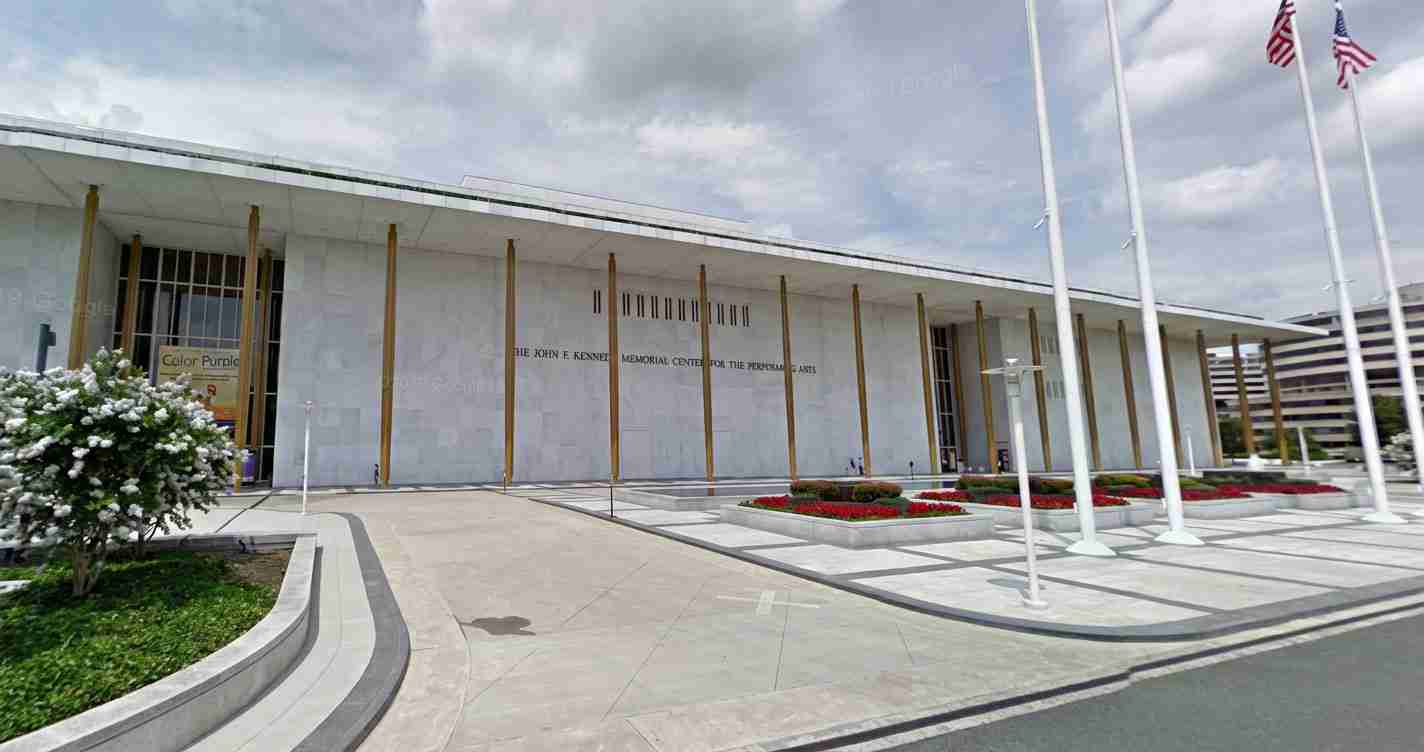
Federal Judge Orders Trump Name Removed From Kennedy Center, Saying Only Congress Can Rename Landmark
A federal judge ordered the immediate removal of Donald Trump’s name from the Kennedy Center, ruling the board exceeded its authority and only Congress can change the venue’s official designation; the Kennedy Center plans to appeal.
Key takeaways
- Judge’s order: U.S. District Judge Christopher Cooper ordered removal of Trump’s name and all signage and references to a “Trump-Kennedy Center.” (Source: YouTube clip)
- Statutory limit: Cooper said the Kennedy Center’s organic statute names the venue for John F. Kennedy and only Congress can change that name. (Source: YouTube clip)
- Plaintiff: The lawsuit was filed by U.S. Rep. Joyce Beatty (D-Ohio). (Source: YouTube clip)
- Appeal announced: The Kennedy Center board plans to appeal; Roma Daravi emphasized $257 million secured for restoration. (Source: YouTube clip)
- Reaction: President Trump criticized Judge Cooper and Democrats in a Truth Social post. (Source: YouTube clip)
Background: How the dispute began
The dispute began when the Kennedy Center Board of Trustees moved to rename the building in honor of Donald Trump after a high-profile effort by Trump to secure federal funds for repairs. According to reporting, Trump persuaded Congress to approve $257 million as part of the “One Big Beautiful Bill Act” to address disrepair and deferred maintenance at the Kennedy Center. Supporters said the funds were necessary to restore a national landmark; critics called the renaming a political gesture. (Source: YouTube clip)
Judge Christopher Cooper’s ruling
U.S. District Judge Christopher Cooper, described in reporting as an Obama appointee, held that the Kennedy Center’s organic statute designates the facility for President John F. Kennedy and that the board exceeded its statutory authority by renaming the building without congressional action. The order requires removal of all physical signage bearing Trump’s name and elimination of any official references to a “Trump-Kennedy Center.” (Source: YouTube clip)
Legal basis cited by the judge
Cooper grounded his decision in the center’s organic statute — the federal law that created and named the Kennedy Center. He concluded that Congress, not the board, has sole authority to change the Center’s formal name or create public memorials that alter the building’s official designation, underscoring Congress’s role in formal changes to federally established memorials and institutions. (Source: YouTube clip)
Reactions from the Trump team and the Kennedy Center
Roma Daravi, identified as the Trump Kennedy Center’s vice president of public relations, said the board will appeal and defended efforts to secure funds and press for restoration. “We will review the decision carefully though the reality remains the Center requires an urgent and significant restoration — a truth that even the plaintiff acknowledges,” Daravi said. She emphasized that with $257 million secured by President Trump and approved by Congress, “the resources are in place” and the board is “committed to pursuing every lawful avenue.” (Source: YouTube clip)
“I took great pride in taking over a losing Institution, and looked forward to making it into a Great and Prestigious WINNER for Washington, D.C., and indeed, the United States of America,” — President Trump, Truth Social (reported). (Source: YouTube clip)
Plaintiff and other legal actions
The case was brought by U.S. Rep. Joyce Beatty (D-Ohio), who challenged the board’s renaming action. The ruling that the board lacked authority was tied to Beatty’s suit. Separately, Cooper had previously denied a request for a preliminary injunction from a preservation group seeking to block a planned two-year closure of the Kennedy Center for rehabilitation, showing he has weighed other disputes over the center’s operations. (Source: YouTube clip)
Funding, repair plans and political context
The reported $257 million appropriation was for maintenance, repairs, security, and capital projects related to the building and site. Supporters argued the center needed urgent work after years of deferred maintenance; critics viewed the renaming as political. The judge’s ruling distinguishes the lawfulness of the renaming from the legality of the funding and repair work. (Source: YouTube clip)
Next steps: Kennedy Center appeal and legal timeline
The Kennedy Center board has announced plans to appeal. An appeal would move the dispute to a higher court to review whether the board had authority under the organic statute or whether only Congress may change the name. The removal order remains in effect unless a court grants a stay pending appeal; the board’s intention to appeal means additional legal filings and possible stays could affect whether removal occurs immediately. (Source: YouTube clip)
Reporting limitations and source note
This article is based on a news clip available on YouTube that reported details of the judge’s order and reactions. The underlying court order, court filings, and full texts of statements were not provided in the clip and could not be independently reviewed for this piece. Readers seeking full context should consult the written opinion and court filings directly. (Source: YouTube clip)
Implications for Utah
Economic impact
- National tourism and prestige: As a national cultural landmark, controversy could affect national fundraising and partnerships that indirectly impact Utah arts organizations.
- Federal funding precedent: The use of federal appropriations for cultural infrastructure highlights a precedent Utah leaders may watch when seeking federal support for regional projects.
Political consequences
- Messaging for conservative voters: The order may resonate with Utah conservatives and be used to argue for clearer congressional authority over federal memorial naming.
- Local campaigns: Candidates may cite the decision when discussing federal authority, judicial appointments, or cultural policy; Cooper’s appointment history may be highlighted in partisan messaging.
Social and cultural effects
- Support for restoration: Utah arts communities might use the case to argue for public-private partnerships and to appeal for state or private funds.
- Debates on memory and naming: The ruling raises questions about who names public places; Utah communities engaged in renaming debates may revisit formal processes and legislative roles.
Practical applications for Utah residents
- Travel planning: Tour operators and travelers from Utah should monitor developments, as signage changes or delays could affect visitor experiences at the Kennedy Center.
- Cultural funding strategy: State cultural agencies and nonprofit boards may review naming policies to ensure legal authority is clear when making naming decisions tied to federal funds or charters.
Sources and further reading
This article draws on a news clip available on YouTube that reported on the ruling, reactions and background. For the original reporting referenced here, see the YouTube clip cited throughout.