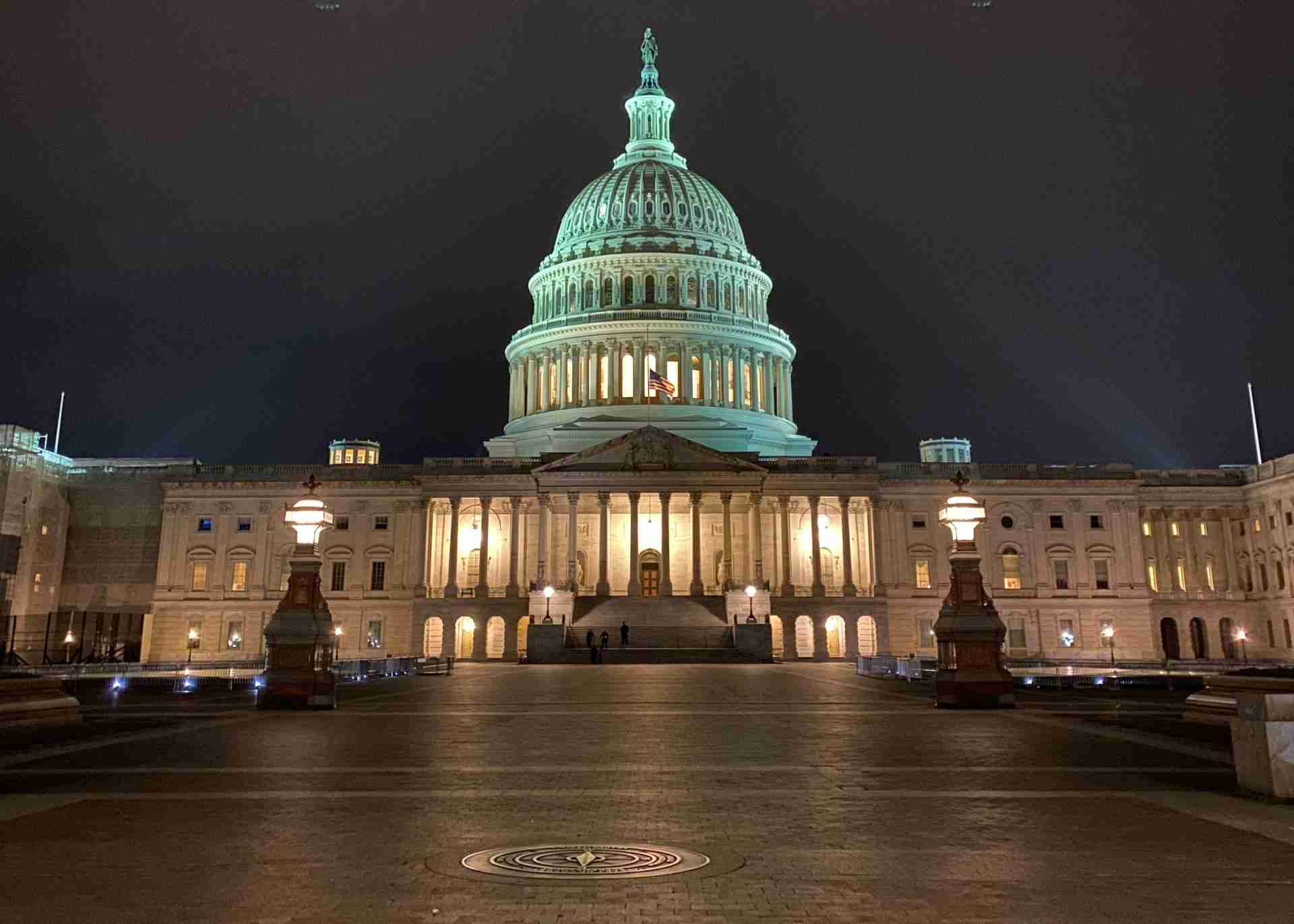
Government shutdown looming Oct. 1, 2025: What it means for workers, Utah and the national economy
With a government shutdown possible on October 1, 2025, congressional funding disputes threaten millions of federal workers, essential services and the economy, raising the stakes over Obamacare subsidy extensions versus a Republican clean funding bill for lawmakers.
- Deadline: Congress must pass funding before the fiscal year begins on Oct. 1, 2025 (Source: USAFacts).
- Who works: Essential employees continue without immediate pay; non-essential staff are furloughed; many contractors may be unpaid (Source: Holland & Knight).
- Central dispute: Democrats seek an extension of premium tax credits tied to the ACA; Republicans want a clean funding bill that preserves current spending levels (Source: USAFacts).
- Economic stakes: Past shutdowns cost the U.S. economy billions; extending subsidies could add coverage but raise the deficit by an estimated $350 billion through 2035 (Source: USAFacts).
What a shutdown means and why it happens
A government shutdown occurs when Congress does not pass appropriations or a continuing resolution before the fiscal year begins on October 1. Without those funding measures, many federal agencies must halt non-essential operations. Lawmakers can avoid a shutdown by passing a continuing resolution, but talks have stalled as the deadline approaches (Source: USAFacts).
Who works, who doesn’t, and how federal employee pay is affected
Shutdown decisions turn on whether roles are deemed essential or non-essential. The consequences differ across federal staff, contractors and grant-funded workers.
Essential employees
Essential workers — including those tied to national security, public safety, air traffic control, Border Patrol and some health positions — must continue performing critical duties without immediate pay. Federal guidance indicates many will likely receive back pay after the shutdown ends, but timing and guarantees depend on later legislation (Source: Holland & Knight).
Non-essential employees
Non-essential staff are furloughed — sent home and prohibited from working. Historically, Congress has approved back pay for furloughed workers after shutdowns end, but that outcome is not automatic and requires subsequent legislative action (Source: Holland & Knight).
Contractors and grant workers
Many federal contractors, temporary hires and grant-funded staff are in a precarious position. They often do not receive retroactive pay and may miss paychecks entirely during a shutdown. In some cases, contractors might not be reimbursed even after funding is restored, creating long-term cash-flow challenges (Source: Holland & Knight).
Federal employee pay and morale
Interruptions to paychecks damage morale and complicate monthly budgeting for families. For audiences prioritizing fiscal discipline, shutdowns force a trade-off between enforcing budget rules and protecting public servants’ livelihoods (Source: USAFacts).
Which programs keep running
Not all government functions stop. Programs funded by mandatory spending — such as Social Security and Medicare — generally continue. Veterans’ services often operate in some form. Meanwhile, national parks, museums and many regulatory activities can close or operate with reduced staff, disrupting tourism and local services (Source: USAFacts).
Economic cost and broader impact
Shutdowns impose both direct and indirect costs: unpaid wages reduce consumer spending; federal contract delays and slow permit processing harm small businesses; and uncertainty can suppress investment. Past shutdowns have cost the economy billions when factoring lost output and growth impacts. The federal workforce has also declined roughly 3.2% from prior levels, affecting how shutdown costs are distributed (Source: USAFacts).
The Obamacare subsidy debate
Democrats are pushing to extend premium tax credits that lower premiums for consumers buying coverage on Affordable Care Act marketplaces. They argue the extension would add an estimated 3.8 million people to the insured rolls and keep health insurance affordable. Independent estimates warn the extension would increase the federal deficit by about $350 billion through 2035 (Source: USAFacts).
Republicans’ position: clean funding bill
Republicans are pressing for a “clean” short-term funding measure that preserves current spending levels and avoids adding permanent policy changes such as expanded ACA subsidies. GOP proponents say this preserves fiscal discipline and allows separate negotiation on policy priorities. The GOP proposal also includes short extensions for certain health and veterans programs through Nov. 21 (Source: USAFacts).
Negotiations and outlook
Both parties have offered funding measures, but the Senate has rejected the current proposals, leaving little time before midnight on Oct. 1. Final negotiations typically focus on whether to include policy priorities in must-pass funding or keep measures narrowly focused on operations. If no agreement is reached, a partial or full shutdown will begin when the fiscal year starts (Source: USAFacts).
Who pays the price
The immediate toll falls on federal workers missing paychecks and contractors who may not be repaid. Local businesses near federal workplaces and national sites can lose revenue. The ripple effect can reach state and local governments through delayed grants or approvals, while broader uncertainty may slow consumer spending and investment (Source: USAFacts).
Legal and HR guidance for agencies
Agencies have issued guidance outlining who must report and what activities continue. Human resources and legal teams are preparing for furlough implementation and post-shutdown pay adjustments. That planning helps preserve core functions, but cannot eliminate short-term hardship for workers and partners (Source: Holland & Knight).
Implications for Utah
Utah faces state-specific economic, political and social consequences if a shutdown occurs. Below are key areas to watch.
Economic impact for the state
- Federal workforce and contractors: Utah has a sizable number of federal employees and defense contractors; paused contracts and slowed payments could strain local businesses and services (Sources: USAFacts; Holland & Knight).
- Tourism and public lands: Utah’s national parks and public lands drive tourism; closures or reduced services have historically pushed visitors away, hurting gateway communities near Zion, Bryce, Arches and Canyonlands (Source: USAFacts).
Political consequences in Utah
Utah’s conservative electorate tends to favor fiscal restraint and limited government. Lawmakers supporting a clean funding measure will argue they defend responsible budgeting; Democrats will stress protecting health coverage for low- and middle-income families. The standoff could shape local campaigns and constituent pressure on Utah’s delegation (Source: USAFacts).
Social effects on Utah families and services
- Federal employee paychecks: Missing a paycheck affects mortgages, bills and groceries — a sharp strain on family stability and local economies (Source: Holland & Knight).
- Health coverage questions: If premium tax credits are not extended, some Utahns could face higher premiums or coverage losses — a central concern for families weighing budget priorities versus expanded subsidies (Source: USAFacts).
Practical steps for Utah residents
- Federal workers and contractors: Contact your agency HR office for furlough guidance, payback expectations and benefits continuity (Source: Holland & Knight).
- Small businesses: Review contract terms and cash-flow plans; consider bridge financing options if federal payments may be delayed (Source: USAFacts).
- Visitors to national parks: Check park websites for closures and refund policies before traveling (Source: USAFacts).
Sources
- USAFacts: “Government Shutdown 2025: What to Know”
- Holland & Knight: “Government Shutdown Advisory”
- Society for Research in Child Development: “U.S. Government Shutdown 2025: General Information and Resources”
“Negotiations in the final days typically center on whether to fold policy priorities into emergency funding or keep measures narrowly focused on continuing operations.” — reporting based on public sources and agency guidance.