Shutdown Stalemate: Democrats Push for ACA Guarantees as Senate Fails to Secure Cloture
The 2025 government shutdown, now one of the longest in U.S. history, continues into November as Senate Democrats face intense pressure to break the impasse — and negotiations have faltered, with guaranteed Obamacare subsidies still unresolved.
- Key takeaway: The shutdown began Oct. 1, 2025, and has stretched into November, disrupting nutrition programs, military pay and air traffic staffing.
- Voting math: The Senate has repeatedly failed to reach the 60-vote threshold — by Nov. 4 there had been at least 14 failed cloture attempts.
- Negotiations: At least eight moderate Democrats met in private, but there is no public record guaranteeing continued ACA premium subsidies.
What happened on the Senate floor
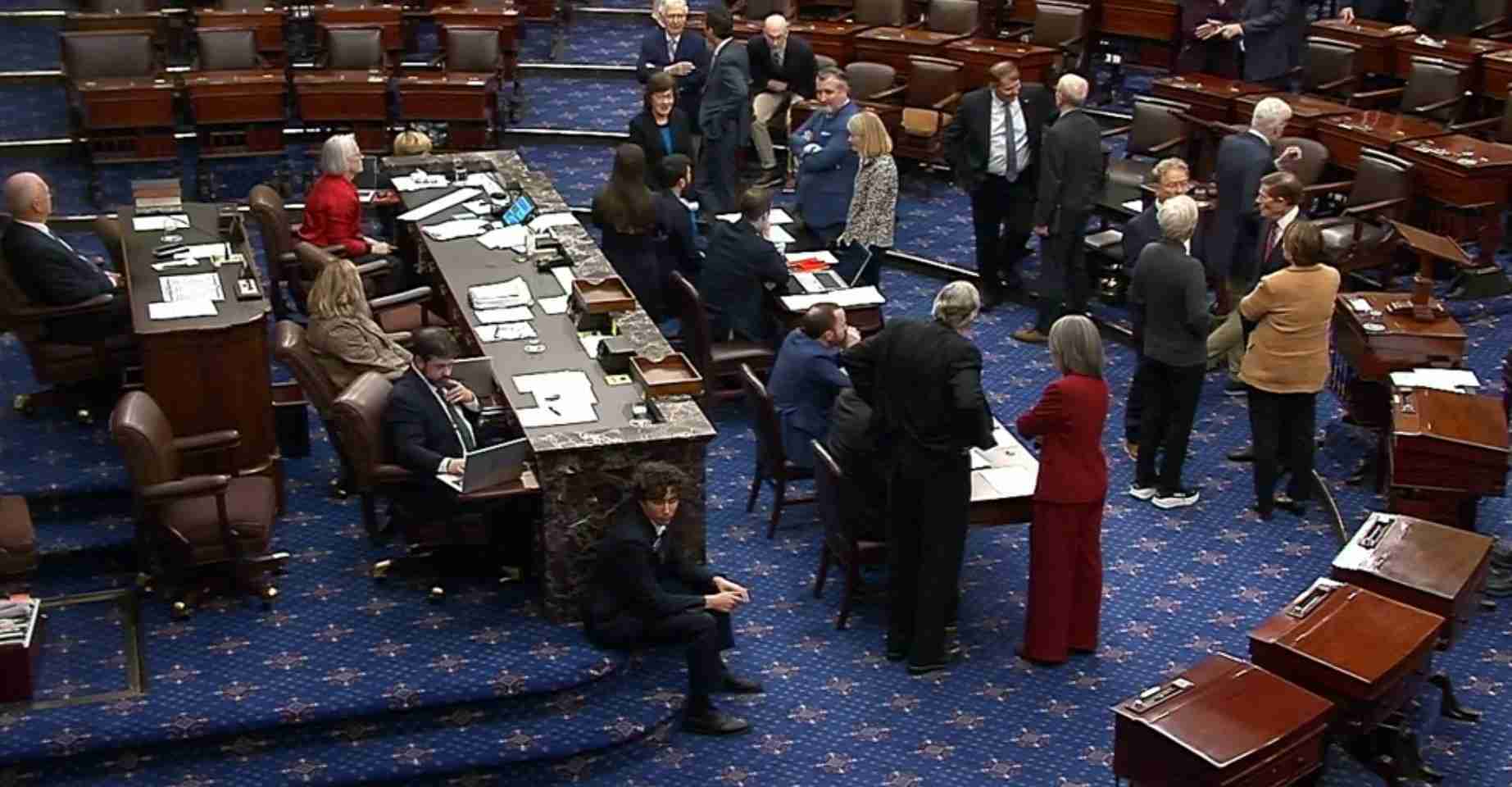
Urgency met arithmetic. Senators returned to the floor determined to act, but the math has not changed: the Senate needs 60 votes to invoke cloture and move House-backed spending bills forward. The most recent cloture attempt on Nov. 4 produced a 54-44 tally in favor of proceeding but fell short of the supermajority required to advance the measure (Senate roll-call and live updates).
Who crossed the aisle
Only a handful of Democrats supported the GOP plan in recent roll calls: Nevada’s Catherine Cortez Masto, Pennsylvania’s John Fetterman and Maine’s Angus King (an independent who caucuses with Democrats) voted with Republicans. Most Democrats withheld support while pressing for formal protections of ACA subsidies and expanded safety nets for those affected by the shutdown (roll call details; reporting on private talks).
Senate Democrats negotiate — but safeguards remain unresolved
Behind closed doors, at least eight moderate Democrats have met to explore compromises that could reopen government operations. Those talks are described as serious but cautious; moderates asked for “strong assurances” before agreeing to any short-term reopening (private meeting coverage).
A central sticking point remains continued funding for subsidies under the Affordable Care Act. Democrats have pushed for explicit guarantees that ACA premium subsidies will remain in place for low- and middle-income Americans. Republicans have resisted tying short-term continuing resolutions to long-term health-care guarantees, offering short-term measures without the ACA assurances Democrats demand (see the Mullin press release).
Net effect: incremental negotiations, not a finished deal. Media tracking and roll calls show no evidence that Democrats agreed to reopen the government without ACA protections or that H.R. 5371 was used to secure a reopening as of early November (reporting and vote records).
Political pressure and messaging
The White House and Republican leaders publicly pressured Senate Democrats to relent, urging a few crossover votes to break the stalemate. Some GOP leaders also floated the idea of changing Senate rules to lower the cloture threshold — the so-called “nuclear option” — to force through funding measures (live updates on the stalemate; GOP messaging video).
Republicans framed the standoff as a simple governance choice — reopen now, argue later. Democrats countered that health-care stakes are too high to accept a temporary patch leaving ACA subsidies uncertain. That partisan framing has hardened positions and raised the political cost of compromise amid election-year pressures (analysis of messaging and politics).
Human and institutional costs
The shutdown’s effects are tangible: SNAP and WIC benefits face cuts or interruptions that hit low-income families; military personnel and many federal workers have gone without regular pay; and air traffic control staffing and other safety roles are strained while administrative staff remain furloughed (service disruptions and safety concerns).
Beyond individuals, the political calendar — elections and judicial confirmations — adds pressure, forcing senators to weigh local constituent fallout against national policy aims.
Where things stand and next steps
There is no clear path to an immediate reopening. Lawmakers signaled plans to continue negotiating, but no new cloture votes were scheduled immediately after the latest failed attempts. Some senators suggested temporarily shifting focus to judicial nominations while talks proceed (Senate scheduling notes).
Critical question: Will a small group of moderate Democrats accept a short-term funding measure without firm ACA subsidy language? If so, the government could reopen quickly; if not, the impasse may persist until a broader deal or a rules change.
Implications for Utah
Economic impact
Federal services and benefits Utahns rely on are at risk. SNAP and WIC interruptions would affect low-income families statewide, including tribal communities and rural counties. Utah’s economy could see ripple effects through delayed federal contracts and paused grants; state agencies dependent on federal matching funds could face slowdowns or funding gaps (service and funding impacts).
Political consequences
Utah is a conservative state that voted heavily Republican in recent federal elections. Local leaders and voters may press Republican senators to force a quick reopening while holding the line on policy concessions. The shutdown also provides an opening for officials to demand clarity on how ACA subsidy disputes affect Utah’s budget and health-care markets.
Social effects
Rural and lower-income Utah communities may feel disruptions first: food assistance and health coverage could worsen for families already on tight budgets. Families of active-duty service members may face financial strain if military pay remains delayed, affecting communities near bases and installations.
Cultural relevance
Utah’s political culture emphasizes both self-reliance and community support. Local charities and leaders may be called on to fill gaps if federal programs remain stalled. Conservative voters will likely judge elected officials on who gets the government running again while protecting long-term priorities like health-care stability.
Practical applications for residents
- Benefit recipients: Utahns receiving SNAP, WIC or other federal benefits should monitor state notices and local agency guidance.
- Small businesses: Those with federal contracts or federal-worker employees should plan for payroll disruptions and delayed payments.
- Civic action: Voters can contact U.S. senators and representatives — outreach may influence how lawmakers approach negotiations.
Sources and reporting notes
This article draws on live reporting of Senate floor action and cloture votes (live updates on the shutdown; roll-call and analysis). Coverage of private discussions among moderates and demands for continued ACA subsidies comes from political reporting (meeting report). Statements from GOP offices and broader messaging were reviewed in public materials (Mullin press release; GOP messaging video).
Reporting did not find confirmation that H.R. 5371 was used to secure a 60-40 cloture vote to reopen government without ACA subsidy guarantees. Available roll-call information indicates no such 60-40 vote occurred as of early November (vote records; reporting on meetings).