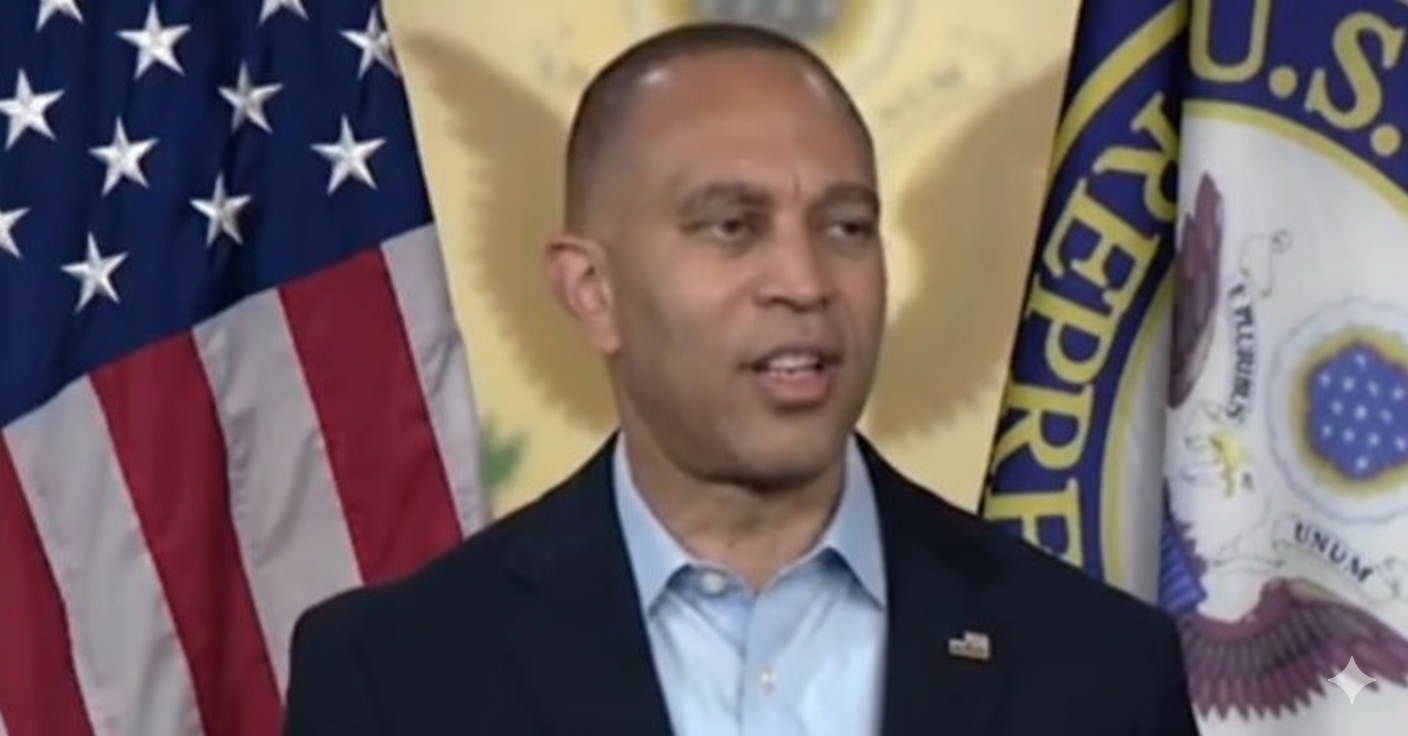
Hakeem Jeffries Slams Karoline Leavitt as “Sick,” “Demented” and a “Stone‑Cold Liar” Amid Government Shutdown Fight
House Minority Leader Hakeem Jeffries launched a blistering attack on White House press secretary Karoline Leavitt on Oct. 17, 2025, calling her “sick,” “demented” and a “stone‑cold liar” as tensions rose during the federal government shutdown.
Key takeaways
- Jeffries’ on-camera rebuke: He publicly castigated Karoline Leavitt for rhetoric he called dangerous and false.
- Triggering remarks: Leavitt told a Fox News audience that Democrats were “made up of Hamas terrorists, illegal aliens, and violent criminals,” which Jeffries cited as the proximate cause.
- Shutdown context: The exchange took place on day seven of a federal shutdown as parties sparred over reopening terms and defense funding.
- Local stakes for Utah: Prolonged shutdown effects threaten tourism, federal workers, small businesses and inflame local political messaging.
What Jeffries said and why it matters
At a Capitol press conference on Oct. 17, 2025, Jeffries took the lectern visibly angered and aimed much of his ire at Leavitt, a frequent White House media surrogate. He said,
“And then you got Karoline Leavitt, who’s sickout of control. And I’m not sure whether she’s just demented, ignorant, stone‑cold liar, or all of the above.”
Jeffries argued that such rhetoric from a White House official is dangerous during a shutdown and erodes public trust in government. Video of the remarks is available as a primary source: video of Jeffries press conference (YouTube).
Leavitt’s Fox appearance and the “Democratic Party terrorists” claim
The immediate spark for Jeffries’ rebuke was a Fox News segment in which Karoline Leavitt warned that Democrats were aligned with violent actors. On air she said the Democratic Party was “made up of Hamas terrorists, illegal aliens, and violent criminals,” a sweeping formulation that Democrats called false and incendiary.
Reporting and commentary on the Fox segment and the exchange are documented in contemporaneous coverage: Daily Kos and an additional write-up at AOL.
Government shutdown rhetoric and political stakes
The exchange occurred on the seventh day of a federal government shutdown. Senate Democrats were blocking a narrower defense bill while pressing for broader funding measures; the White House and GOP blamed Democrats for refusing to reopen the government before negotiating other priorities. The video of Jeffries press conference shows the timing and tenor of his remarks.
This episode illustrates how shutdown rhetoric has shifted from budget mechanics to identity politics, making compromise harder as each side trades amplified accusations instead of negotiating appropriations.
How both parties are handling public messaging
Democrats seized on Jeffries’ language to underscore what they describe as a pattern of dangerous rhetoric from the administration. Republicans and the White House characterized Leavitt’s comments as a forceful critique of Democratic policy on immigration and national security, asserting that tough talk is warranted when concerned about borders and crime.
Observers note: when White House aides speak in sweeping terms it can reshape public debate and how voters perceive opponents — amplifying polarization and reducing space for nuance.
Implications for Utah
Economic impact
- Tourism and public lands: Utah relies on national parks and federal lands (Zion, Bryce Canyon, Arches). Prolonged closures, delayed permits and reduced staffing can cut visitor-driven revenue.
- Federal workers and contractors: Furloughs and delayed paychecks at installations such as Hill Air Force Base can strain household budgets and local economies.
- Small businesses: Interrupted travel and contracting work reduce revenue for businesses that serve park visitors and federal projects.
Political consequences
- Messaging for Utah conservatives: Leavitt’s harsh language may resonate with voters focused on border enforcement and public safety; Jeffries’ reaction could be used to criticize Democratic responses.
- Local elected officials: Utah’s GOP delegation may press for reopening tied to administration priorities, making bipartisan cooperation harder if national leaders persist in extreme rhetoric.
Social effects
- Community divisions: National rhetoric can deepen local divisions as differing media diets lead to personal disputes in small towns reliant on federal work and tourism.
- Veterans and beneficiaries: Delays in federal services and benefits can directly affect Utah residents, including veterans and seniors.
Cultural relevance
Many Utah voters prioritize law-and-order and secure borders; while Leavitt’s phrasing was extreme, it speaks to those concerns. Jeffries framed his remarks as a defense of democratic norms and a warning about normalizing extreme language from power.
Practical applications for Utah residents
- Plan travel carefully: Check national park websites, travel bookings and local business hours before visiting public lands if the shutdown continues.
- Monitor federal pay schedules: Federal employees and contractors should stay in touch with employers and union reps about furloughs and emergency assistance.
- Follow local officials: Watch statements from Utah’s congressional delegation and state government for guidance on program impacts.
Reporting and sources
This article is based on Jeffries’ recorded remarks and contemporaneous coverage of the dispute and shutdown. Primary audio-visual and reporting sources include the video of the press conference, coverage at Daily Kos and reporting at AOL. No public correction or retraction from Karoline Leavitt was found in the reporting reviewed for this piece.
Notes
Sources cited above document the timing, quotes and political context of the exchange. Readers are encouraged to view the video of Jeffries’ remarks and contemporaneous reporting for direct context.