Judge Bars Federal Immigration Agents From Detaining or Tear-Gassing Peaceful Protesters in Minneapolis — Limits Could Affect Metro Surge Tactics
A federal judge has barred immigration agents in Minneapolis from detaining peaceful protesters, using tear gas or other crowd-control munitions, and stopping vehicles without reasonable suspicion, restricting tactics tied to Operation Metro Surge amid rights concerns.
Key takeaways
- Judge Kate Menendez issued an 83-page injunction limiting federal immigration agents’ tactics during protests; the order addresses arrests, chemical agents and vehicle stops (ABC News).
- The injunction bars detaining peaceful protesters, using tear gas or pepper spray on nonviolent demonstrators, and stopping vehicles without reasonable suspicion (ABC News; RNZ).
- The suit was filed by six Minnesota activists alleging First and Fourth Amendment violations; the injunction stays in effect for the duration of the federal enforcement surge (CBS News).
Main content
What the injunction says
Judge Menendez’s 83-page order sets specific, enforceable limits on federal officers conducting operations connected to immigration enforcement protests. The ruling explicitly bars officers from:
- Detaining or arresting peaceful protesters who are not actively obstructing authorities;
- Using tear gas, pepper spray, rubber bullets, or other crowd-control munitions against peaceful demonstrators or observers;
- Stopping or detaining drivers and passengers in vehicles without reasonable suspicion that they are forcibly interfering with law enforcement operations;
- Retaliating against individuals for engaging in nonviolent, unobstructed protest activity (ABC News; RNZ).
Menendez reviewed video evidence and witness accounts and concluded that several protesters were likely to succeed on constitutional claims after being arrested or exposed to chemical irritants. The judge wrote that safely following agents at an appropriate distance “does not by itself create reasonable suspicion” to justify vehicle stops and that the government “failed to explain why it is necessary for them to arrest and use force against peaceful observers.”
Menendez: “failed to explain why it is necessary for them to arrest and use force against peaceful observers.”
Legal background and the plaintiffs
The case was filed in December by six Minnesota activists who allege federal agents repeatedly interfered with their right to observe and protest immigration enforcement actions. They brought claims under the First Amendment (free speech and assembly) and the Fourth Amendment (protection from unreasonable searches and seizures). Judge Menendez determined there was a strong likelihood the protesters would prevail on those claims based on the evidence presented (CBS News).
Operation Metro Surge and the context of unrest
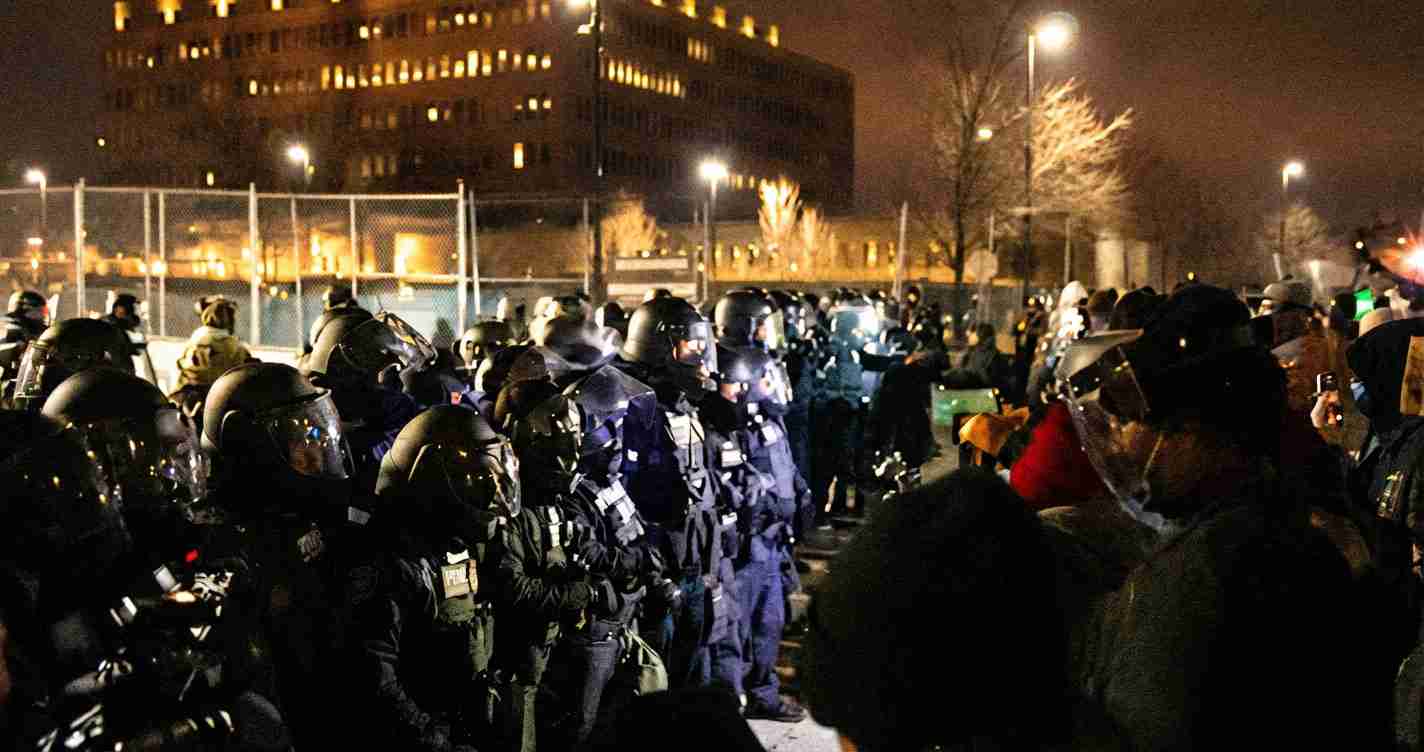
The injunction arrives amid the Trump administration’s largest-ever immigration enforcement deployment, dubbed Operation Metro Surge, which sent as many as 2,000 immigration agents to the Minneapolis–St. Paul area. The surge has produced repeated confrontations between federal agents and demonstrators since it began (RNZ; ABC News).
Tensions escalated after an ICE agent fatally shot 37-year-old Renee Good on January 7 as she drove away from a scene in Minneapolis. Multiple videos captured the shooting. Local officials, including Minneapolis Mayor Jacob Frey, and activists disputed federal characterizations that Good was stalking or impeding officers, saying she posed no physical threat and was trying to leave (ABC News; RNZ).
Federal government response
The Department of Homeland Security pushed back publicly against the ruling. Assistant Secretary Tricia McLaughlin said DHS is “taking appropriate and constitutional measures to uphold the rule of law and protect our officers and the public from dangerous rioters,” asserting agents faced assaults, vandalism and obstruction while following training and using what DHS described as the minimum necessary force (ABC News; CBS News).
In court, the government argued arrests and the use of pepper spray were sometimes necessary to stop “violent, obstructive, dangerous, and often criminal behavior” that it says impeded immigration operations (CBS News).
Additional legal actions
Judge Menendez is also overseeing a separate lawsuit filed by the state of Minnesota and the cities of Minneapolis and St. Paul that seeks to suspend the entire federal enforcement crackdown. She declined to issue an immediate temporary restraining order in that case but ordered additional briefing, calling the issues “enormously important” and noting they raise high-level constitutional questions with few clear precedents (ABC News).
Implications for Utah
- Law enforcement cooperation and federal tactics: Courts limiting federal agent tactics in Minneapolis could affect coordination between federal, state and local law enforcement in Utah, prompting clearer memoranda of understanding to balance officer safety and civil liberties.
- Border and immigration enforcement concerns: Conservative Utah readers who prioritize border security may view the injunction as a constraint on federal agents’ ability to act quickly against dangerous or obstructive behavior, potentially shaping future operational rules.
- Protester rights and public order: The ruling underscores First and Fourth Amendment protections that local activists or defense attorneys in Utah could cite when challenging aggressive police or federal actions at demonstrations.
- Political consequences for state leaders: Utah’s conservative officials may press for clearer federal guidance or assurances that officers retain tools needed to protect themselves while critics may frame the ruling as federal overreach.
- Practical effects on daily life: For Utah residents near federal enforcement actions, the ruling signals a legal standard: officers must show probable cause or reasonable suspicion before detentions or vehicle stops, important information for observers and journalists.
- Legal and policy fallout: The injunction may encourage similar lawsuits in other states; Utah legal organizations and policymakers may face requests for guidance on handling federal deployments.
Duration of the injunction
The injunction remains in effect until the mass federal enforcement surge in Minneapolis concludes, constraining how federal immigration agents may operate during the duration of the Metro Surge deployment (CBS News).
Reporting note and sources
This article is based on court filings and reporting from ABC News, RNZ and CBS News, including coverage of Judge Menendez’s 83-page injunction and statements from federal officials.
Reporting compiled from court documents and the cited news outlets; all original facts, information, and source URLs are preserved above.