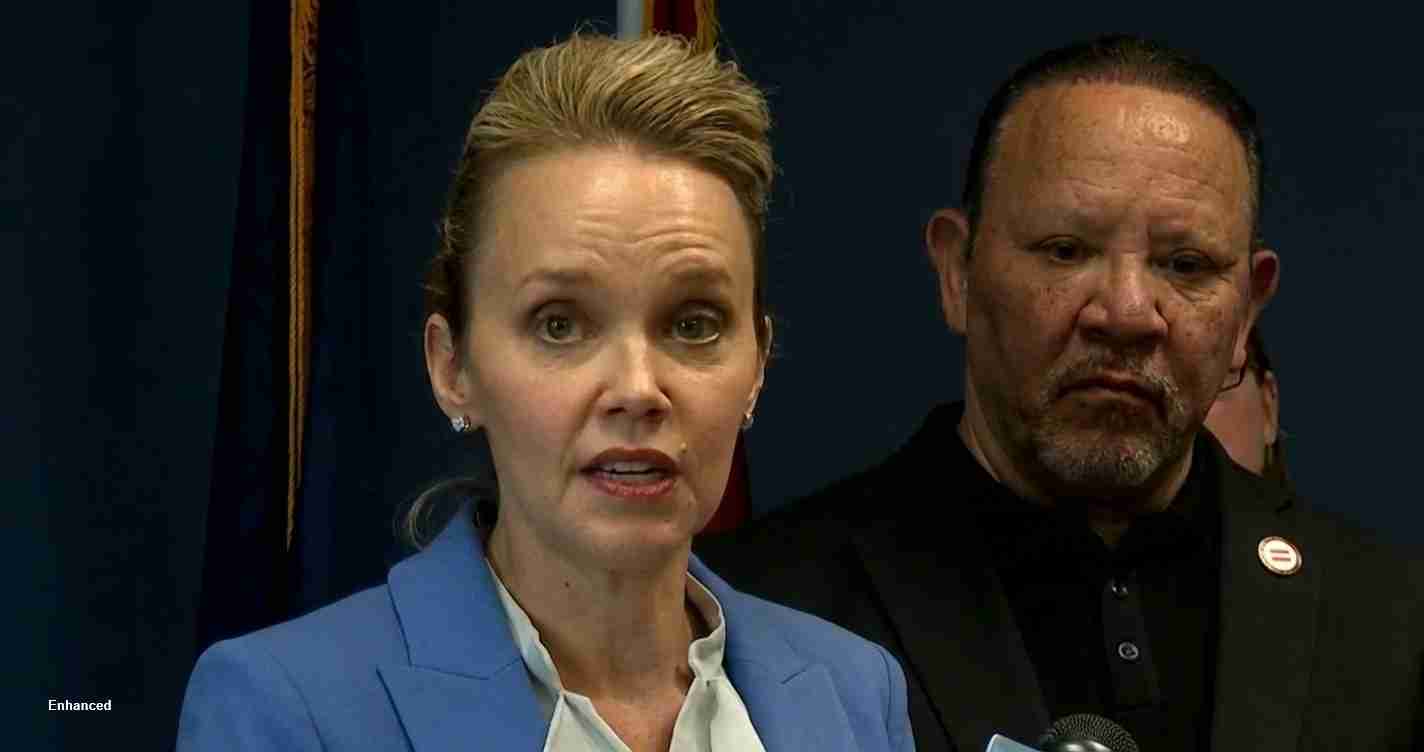
New Orleans immigration crackdown sparks outcry — Mayor-elect Helena Moreno demands answers as “Operation Katahula Crunch” detains workers
New Orleans faces a federal immigration crackdown called “Operation Katahula Crunch,” prompting Mayor‑elect Helena Moreno to demand transparency after reports that day laborers and other workers have been detained amid claims of overreach and fear in immigrant communities.
Key takeaways
- Operation Katahula Crunch deployed roughly 250 federal agents and is said to target up to 5,000 people, raising questions about scope and specificity.
- Local reports show sweeps at day‑labor sites, parking lots and worksites, with witnesses saying ordinary workers were detained.
- Mayor‑elect Helena Moreno is demanding transparency on locations, totals, criminal histories and safeguards for lawful residents.
- Advocates warn of possible mistreatment, wrongful detentions and chilling effects on immigrant communities; legal challenges could follow.
What happened and the operation’s scope
Operation Katahula Crunch is a New Orleans–area enforcement action described locally this week as involving roughly 250 federal agents fanning out across the metro area. Federal officials have said the action could target up to 5,000 people in the region — a figure widely reported and questioned by local outlets.
Officials frame the campaign as targeting undocumented immigrants accused of serious crimes — the “worst of the worst” — but local reporting shows sweeps at day‑labor gathering spots, store parking lots and construction sites that have caught workers who say they were simply looking for or doing a job.
What federal officials say
The Department of Homeland Security and other federal spokespeople describe the operation as targeted enforcement against individuals with serious criminal histories, arguing that removing hardened offenders improves public safety. However, officials have not publicly released detailed numbers showing how many arrests meet the “serious‑crime” threshold — a central source of local frustration.
Local leaders: “We need transparent data — where sweeps are happening, who is being detained, and what protections exist for citizens and legal workers,” Mayor‑elect Helena Moreno said.
Scenes on the ground: who is being detained?
Local television crews captured Border Patrol and other agencies conducting sweeps in parking lots where day laborers gather, at small worksites and pulling men off roofs mid‑shift. Witnesses told local stations that one sweep detained 12–13 people — mostly men looking for work — leaving behind bikes, tools and vehicles.
These images and accounts have fueled claims that ordinary workers and some individuals with legal authorization or U.S. citizenship have been stopped or detained without clear explanation.
Local leaders’ backlash and demands
Mayor‑elect Helena Moreno has been one of the most vocal critics, saying the operation is already “causing harm” by spreading fear in immigrant neighborhoods, discouraging workers from going to jobs, and undermining trust between residents and law enforcement. Moreno demanded federal agents be more transparent about where sweeps are taking place, how many people have been detained, and what safeguards exist to prevent wrongful detention of U.S. citizens and legal workers.
City officials and advocates say they have received credible reports of citizens and people with work permits being detained and, in some cases, treated roughly or denied information about their rights.
Allegations of mistreatment and legal concerns
Advocates and some local officials allege rough handling, denial of basic information and uncertainty over detainees’ whereabouts. Civil liberties groups warn that broad sweeps increase the risk of wrongful detentions and can deter victims and witnesses from cooperating with police — undermining public safety.
Legal experts note that if U.S. citizens or people with valid work authorization were detained, affected parties could pursue civil‑rights lawsuits and demand federal accountability.
National pattern and city–federal friction
New Orleans joins other Democratic‑led cities that have recently seen similar federal enforcement activity, including Los Angeles, Chicago, Memphis, Charlotte and Minneapolis. In several places, mayors have restricted federal access to city property or instructed local agencies to limit cooperation, highlighting growing friction over enforcement tactics and targets.
Implications for Utah
Economic effects: Utah’s construction and service sectors rely on immigrant labor. If operations like Operation Katahula Crunch become a model elsewhere, Utah employers could face labor shortages, higher costs and project delays.
Political consequences: Utah leaders generally support strong enforcement but also value local control and procedural safeguards. Reports of citizens or permit holders detained without clear cause could prompt state officials to seek transparency and data‑sharing before cooperating.
Social and cultural effects: Fear among immigrant families and legal residents can reduce reporting of crimes and cooperation with police, undermining public safety goals shared across political lines. Utah communities that emphasize fair process may press for greater oversight.
Practical steps: Employers should review hiring and verification procedures; local leaders should seek clear agreements with federal agencies; faith and civic organizations should prepare to provide legal resources and reliable information to reduce panic and misinformation.
Questions still unanswered
Journalists and city officials continue to press DHS and federal partners for arrest totals, the criminal histories of arrestees, and the legal basis for detentions. To date, federal agencies have not provided clear, public answers or data confirming the share of arrests tied to serious crimes.
Sources and further reading
- WABE: “Immigration crackdown in New Orleans has a target of 5,000 arrests. Is that possible?”
- AILA Daily Immigration News Clips, Dec. 4, 2025
- Local TV reporting and video of sweeps
Reporting note
Reporting on this story is developing. Officials in New Orleans and DHS have been asked for detailed arrest numbers, the criteria used to identify targets, and confirmation regarding allegations that U.S. citizens and work‑authorized residents were detained. Mayor‑elect Helena Moreno has publicly demanded transparency and information about protections for lawful residents as the operation continues.