Artillery Round From Camp Pendleton Overshoots Range, Strikes CHP Vehicle on I-5; Military Orders Safety Stand‑down
An artillery round fired during a late-September anniversary demonstration at Marine Corps Base Camp Pendleton overshot the range, struck a California Highway Patrol vehicle on Interstate 5 and prompted a safety stand‑down and a full military investigation.
Key takeaways
- Date: Late September 2024 (reported Sept. 30, 2024).
- Outcome: No injuries reported; CHP vehicle damaged; I‑5 temporarily closed for safety sweeps.
- Military response: Marines halted live-fire demonstrations, ordered a safety stand‑down and opened an internal investigation.
- Broader impact: Community concern, traffic disruptions and calls to review safety procedures near public roadways.
What happened: the overshoot and the CHP vehicle struck
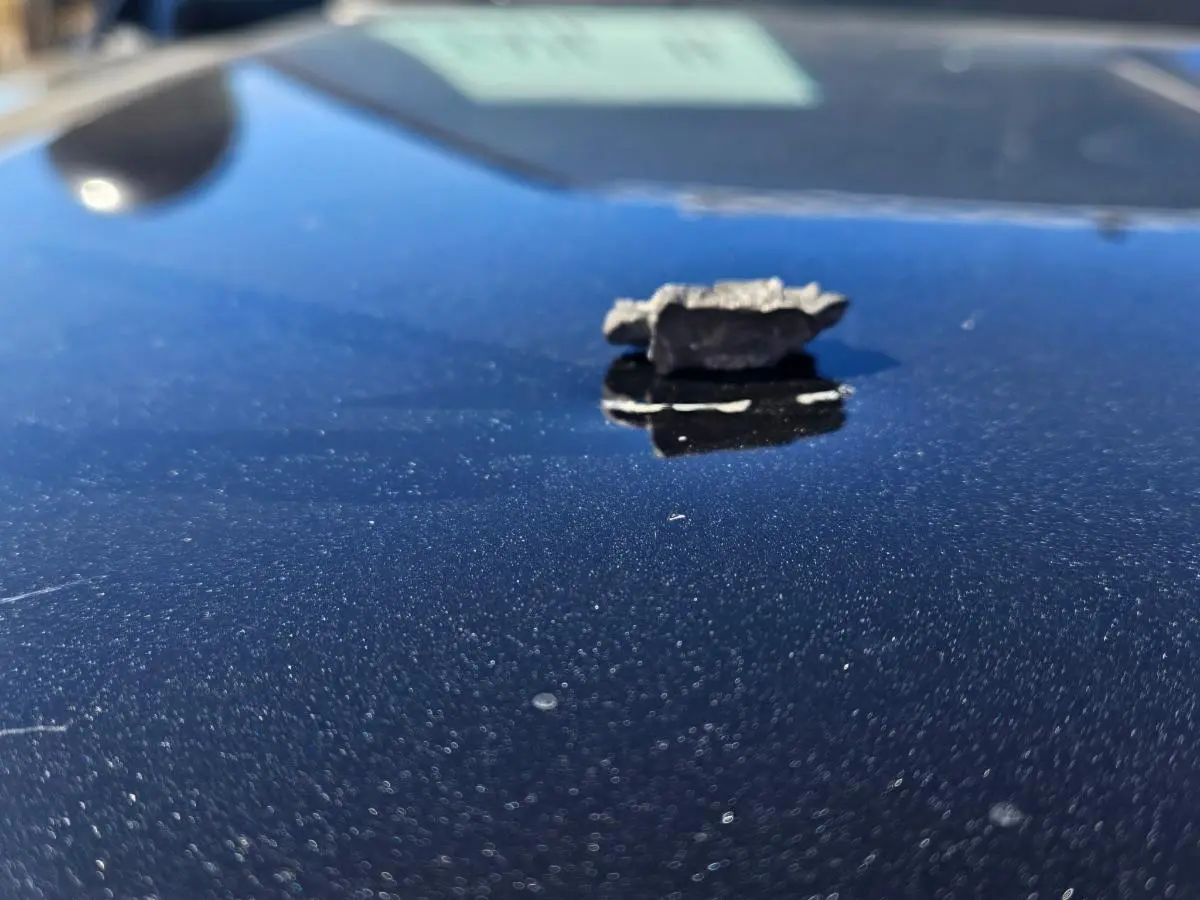
During a late-September anniversary demonstration at Camp Pendleton, Marines conducted a live-fire ceremony intended to display historical ordnance and mark the base’s founding. According to military officials and local reporting, one round — described by some sources as a non-explosive training shell or a blank artillery round — overshot its intended trajectory, vaulted over the base perimeter and crossed Interstate 5, striking a California Highway Patrol vehicle that was on duty in the area.
There were no reported injuries to CHP officers or members of the public, but the CHP vehicle was physically damaged and the freeway was temporarily closed to permit safety checks and an investigation. Local news outlets and law-enforcement statements provided immediate coverage of the incident.
“Despite the damage, no officers were harmed,” the CHP said while confirming cooperation with the investigation and emphasizing public safety.
Authorities closed the 5 Freeway in the immediate aftermath to allow safety teams to sweep the area and confirm there were no other hazards. The closure created notable traffic delays on a major coastal artery used by commuters and commercial traffic; local media and law enforcement urged drivers to avoid the area while the investigation proceeded.
Official response and investigation
The Marine Corps issued an immediate stand‑down of live-fire demonstrations at Camp Pendleton and launched an internal probe to determine how the ordnance was fired and why it overshot the intended target area. Military leaders said they are coordinating with the California Highway Patrol and federal investigators to review range procedures, ammunition handling, and the adequacy of safety buffers where ranges border public roadways.
Officials indicated the probe will examine whether base personnel followed established range-control procedures, whether the ordnance used was appropriate for a public demonstration, and whether notifications to civilian agencies and roadway authorities were sufficient.
Public safety concerns and local reaction
The incident renewed community concerns about risks when military live-fire activities occur near busy civilian infrastructure. Residents and local leaders noted that Interstate 5 runs along the western edge of Camp Pendleton and is a heavily traveled corridor. Local lawmakers and safety advocates called for stricter oversight of base demonstrations and clearer notification practices to reduce risk to motorists.
Media coverage highlighted how narrowly the episode avoided a far worse outcome: a round striking a vehicle on a packed freeway at peak hours could have produced serious injuries or multi-vehicle accidents. Reporters pressed military and civilian leaders for transparency on the type of ordnance used and how a live round — even if non-explosive — could cross the fence line.
Policy questions raised
Several questions will be central to the formal investigation:
- What exact type of ordnance was used — a blank, a non-explosive training round, or live explosive ordnance?
- Were standard range-safety calculations and fail-safes followed before the demonstration?
- Were civilian agencies, including the CHP and state transportation officials, given adequate notice and guidance?
- Should policies governing ceremonial displays be tightened when events are held near public roadways?
Military officials have indicated these questions are part of the ongoing review, and early statements suggest leaders will consider more restrictive safety buffers and additional coordination requirements.
Implications for military-civilian coordination
The Camp Pendleton incident underscores the need for clear lines of communication between military installations and civilian authorities responsible for public safety. On bases that border major highways, routine planning should account for worst-case trajectories and provide redundant safeguards — such as boresight limitations, capped firing arcs, and increased stand-off distances — when demonstrations or live firing are planned.
For law enforcement agencies like the CHP, the episode raises questions about how officers are advised and positioned during nearby military events. Standard operating procedures for traffic control and officer placement may need review to prevent placing vehicles in potential danger zones during base demonstrations.
Implications for Utah
Although the incident occurred on I‑5 in California, it carries several implications for Utah:
- Economic impact: Utah drivers and commercial trucking firms rely on predictable interstate routes; disruptions on coastal arteries can ripple across logistics networks.
- Political consequences: Lawmakers may use the event to push for clearer safety standards and interagency notification rules affecting federal activities near civilian infrastructure.
- Social effects: Military families and veterans in Utah value readiness and safety; transparent handling of the incident will shape trust.
- Practical applications: Utah transportation and law-enforcement agencies can demand timely notification, joint safety assessments and rerouting options when military events near highways are planned.
Sources and reporting
This article is based on reporting by local and national outlets and official statements from military and law-enforcement agencies, including coverage by the San Diego Union-Tribune and the Los Angeles Times, statements from the California Highway Patrol, and press releases and guidance issued by the U.S. Marine Corps (newsroom) and the U.S. Department of Defense.
Ongoing developments
The investigation into the Camp Pendleton I‑5 incident is active. Officials have not released final determinations about the ordnance type or any disciplinary or policy changes. Local and federal authorities have pledged cooperation, and the Marine Corps has signaled a broader policy review of live-fire demonstrations near civilian infrastructure. News organizations will continue to report updates as the probe releases findings and any procedural changes intended to prevent a recurrence.