Pentagon Accepts $130 Million Anonymous Donation to Cover Military Pay During Shutdown
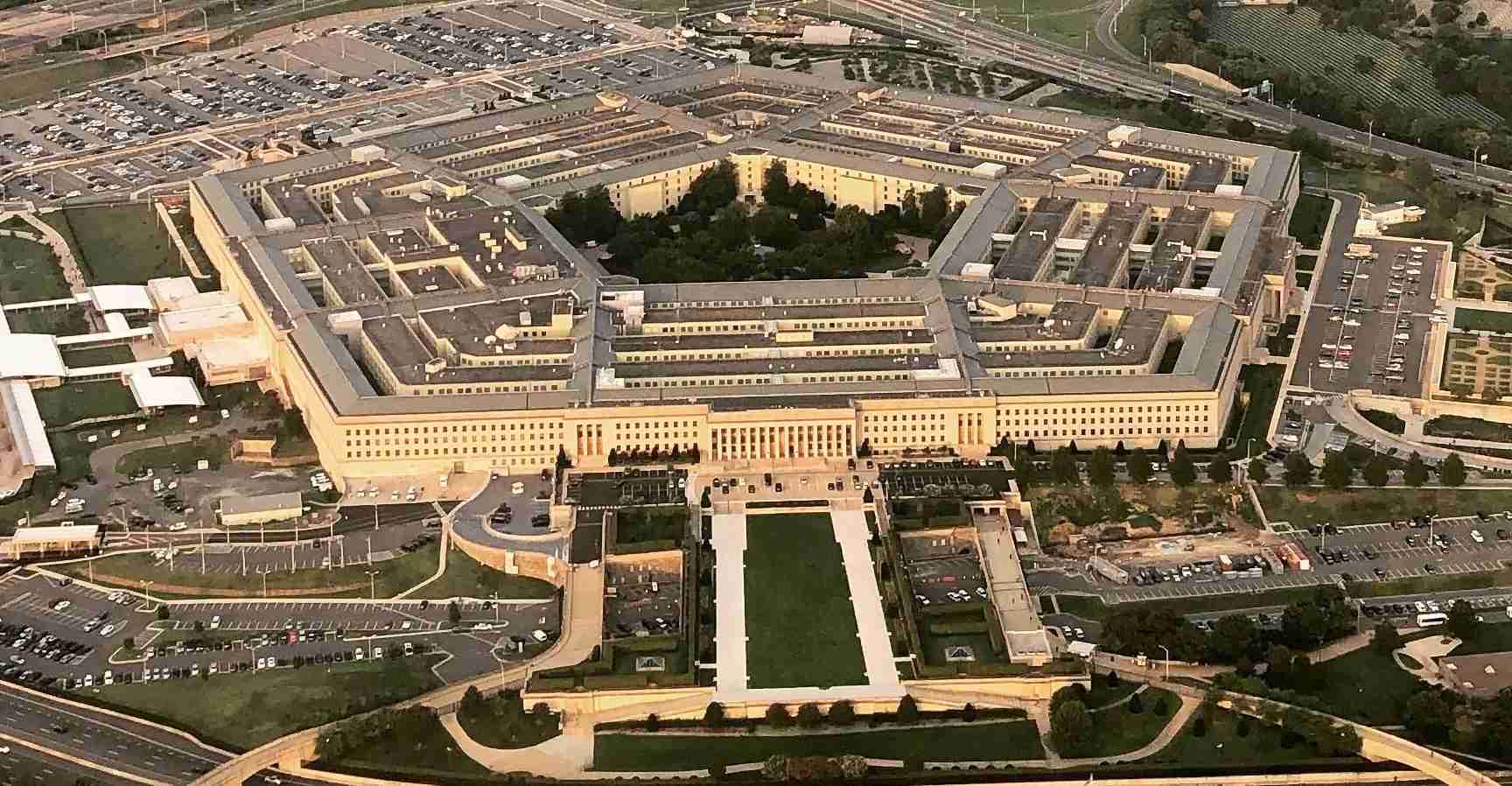
The Pentagon has accepted a $130 million anonymous donation, acknowledged by President Trump, to cover active-duty military pay and benefits during a prolonged government shutdown, while lawmakers remain deadlocked, spurring questions about transparency, legality and precedent.
Key takeaways
- Amount: The Pentagon accepted $130 million to help cover pay and benefits for active-duty service members. (Source: Military.com)
- Donor: The giver remains anonymous; President Trump called the donor “a friend of mine” and blamed a “Democrat shutdown.” (Source: AOL)
- Legal route: The department says it used its “general gift authority” to accept the funds; critics demand disclosure and review. (Source: Economic Times)
What happened and why it matters
Facing a prolonged funding standoff in Congress, the Department of Defense accepted a private, anonymous gift of $130 million to meet immediate payroll and benefits obligations for active-duty troops. The White House and Pentagon framed the move as an emergency measure to prevent missed paychecks while lawmakers remain deadlocked.
President Trump publicly acknowledged the donation during a Homeland Security Task Force roundtable, calling the contributor “a friend of mine” and saying the donor wanted to help while the so‑called “Democrat shutdown” continues. Pentagon officials described the action as intended to protect service members from immediate financial harm. (Source: Military.com, AOL)
“This was an emergency step to protect service members from missed paychecks while lawmakers remain deadlocked,” Pentagon spokesperson Sean Parnell said, while acknowledging uncertainty about future payrolls once the gift is exhausted.
Use of the funds
Pentagon officials say the contribution will be routed to cover active‑duty military pay and benefits for immediate payroll cycles. Details about the internal accounting, exact routing through Pentagon accounts, and payroll mechanics have not been fully disclosed publicly. Officials cite the department’s general gift authority as the legal mechanism permitting acceptance of the funds. (Source: Military.com, Economic Times)
Legal and transparency questions
Legal experts and watchdog groups immediately raised alarms. Key concerns include:
- Whether accepting a large, anonymous donation could create real or perceived influence over military priorities.
- The precedent of relying on private funds to cover core government obligations like payroll.
- Whether the department complied with all disclosure rules, documentation, and policy for accepting gifts. (Source: Military.com, Economic Times)
Critics are calling for greater public accounting: who the donor is, what ties they might have to defense contractors or policymakers, and whether accepting the gift imposes any obligations or influence. Those questions are central to the debate over government funding transparency.
Administration actions and alternatives
Officials say the donation complements other steps the administration has taken, including temporarily reallocating funds from other accounts to keep payroll systems operating. The donation is described as a stopgap to avoid delayed pay while the broader political fight continues.
Pentagon spokesperson Sean Parnell acknowledged the gift supports immediate needs but noted uncertainty about subsequent pay periods should Congress fail to pass funding measures before the next payroll. The department will face hard choices if the appropriation impasse continues.
Political reactions
Supporters in Republican and conservative circles praised the move as protecting service members and blamed congressional opponents for the impasse. Opponents and watchdogs demanded disclosure, legal review, and congressional hearings to examine whether policy and law were followed.
Watchdog groups warn that private money covering basic government responsibilities could create a dangerous precedent, leaving essential services vulnerable to private interests whenever Congress fails to act. (Source: Economic Times)
Implications for Utah
Economic impact: Utah hosts major military installations, including Hill Air Force Base near Ogden, and numerous defense contractors. Delays in military pay ripple through local economies—retail, housing, and services—where military families live and work. The donation provides short‑term relief but not a permanent solution.
Political consequences: In conservative Utah, the move is likely to be framed as pro‑troop. State leaders may push federal lawmakers to restore appropriations quickly and call for clearer rules on private donations to federal agencies.
Social effects and cultural relevance: Utah’s sizable military and veteran communities may welcome the stopgap, yet remain uneasy about anonymous private funding of public payrolls. Families and community organizations still face uncertainty if the shutdown endures.
Practical applications: Utah National Guard members, civilian defense employees, banks, landlords and local businesses need clear timelines and explanations from Pentagon officials about pay distribution and accounting. Local veterans’ groups and lawmakers may seek briefings or hearings.
Sources
- Military.com article on the donation
- AOL coverage of the White House remarks
- Economic Times analysis on legality and precedent
This story is developing. Further details may emerge about the donor’s identity, legal reviews, and congressional responses as lawmakers consider how to address government funding transparency and the broader funding impasse.