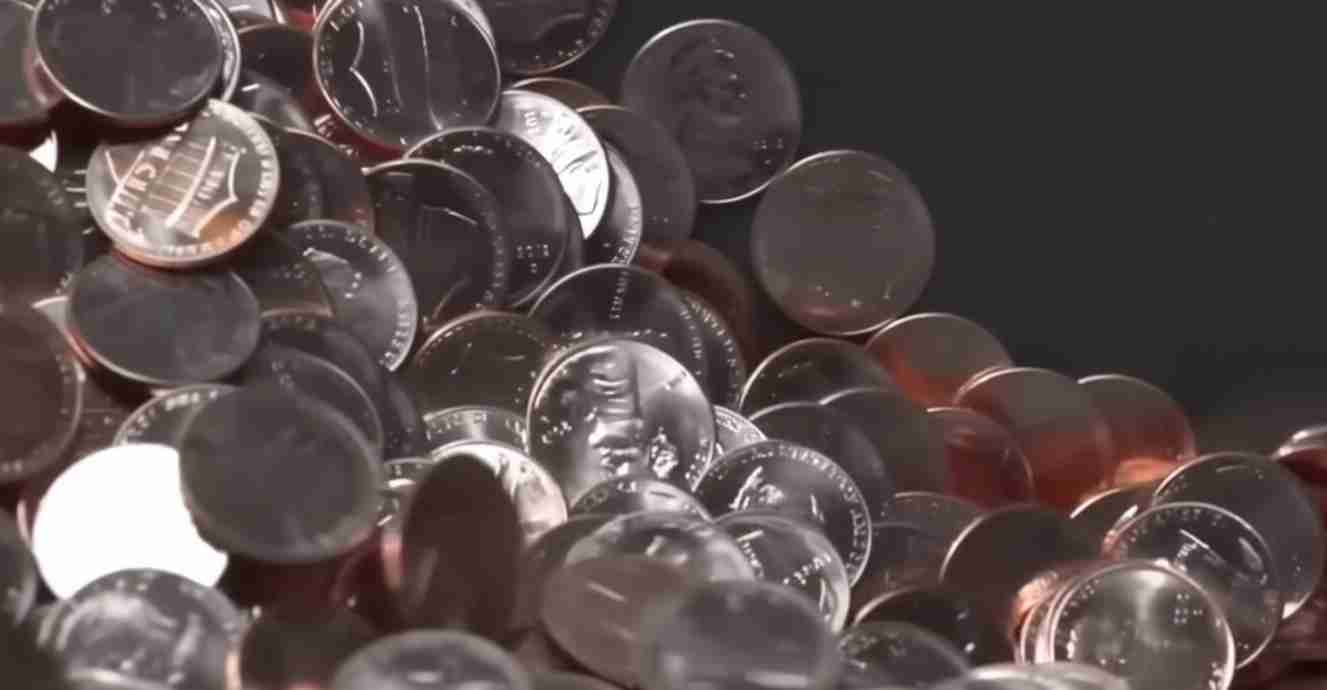
Final Five U.S. Pennies Bearing Rare Omega Mark Could Spark Multimillion-Dollar Bidding War
Five final U.S. pennies, each stamped with a rare omega mark by the Treasury, are set for auction as the last pennies ever minted — a historic sale experts say could prompt fierce multimillion-dollar bidding from collectors and institutions.
Key takeaways
- Scarcity: Only five pennies bear the official omega mark, denoting the end of U.S. penny production.
- Value estimates: Numismatic experts forecast each coin could fetch roughly $2 million to $5 million at auction.
- Details pending: The Treasury has confirmed the marks but has not released auction dates, venues, or full provenance documentation.
- Public interest: The announcement has reignited nationwide coin-collecting interest and sparked debate about public access to historic currency.
Key information
The U.S. Treasury confirmed it stamped the last five pennies with a distinctive omega mark to denote the end of penny production. Full auction details and provenance documents have not yet been released; further reporting is available in the Cincinnati.com coverage and the Tennessean coverage.
Numismatic authorities and press reports emphasize these coins’ appeal as the “last of their kind,” estimating auction prices in the multimillion-dollar range per piece. The Treasury has not disclosed auction logistics, venues, or detailed security and authentication plans; more information is expected as plans are finalized.
Background — why these pennies matter
The penny has been part of American commerce for more than a century. Debates over its cost to produce versus its economic utility culminated in the decision to end minting. That policy shift transformed what had been an everyday coin into an item of great historical significance.
“The five omega-marked pennies are not simply rare; they are symbolic — the final U.S. pennies the Treasury will ever produce.”
This symbolic status — combined with rarity, official provenance, and historical timing — is central to expert price estimates and explains why collectors anticipate aggressive bidding.
Auction logistics and outstanding questions
To date, the Treasury has acknowledged the omega marks but has not released:
- Where and when the coins will be sold — no auction house or timetable has been announced.
- Provenance and authentication details — official paperwork and third-party grading will be critical to realize high valuations.
- Security protocols for transit and display — high-value items typically require robust insurance and security plans.
Collectors, institutions and watchdogs are pressing for transparency on these items because they are government-minted artifacts with national significance.
Market outlook — what drives the value
Numismatic value is driven by rarity, condition, provenance and historical importance — all factors the omega-marked pennies satisfy. Experts cite precedent where coins tied to turning points in U.S. history commanded multimillion-dollar prices, and they expect major auction houses and wealthy private buyers to compete aggressively.
Potential bidders include museums, private collectors and institutions seeking both a financial asset and a national artifact. Final prices will hinge on bidder depth, sale transparency, and whether public institutions mount campaigns to keep coins on display.
Public reaction and the coin-collecting surge
News of the penny’s end has sparked renewed interest in coin collecting. Coin shops, online forums and collecting communities report increased traffic and inquiries. While many circulating pennies retain only modest value, the omega-marked coins stand apart and are expected to reach the multimillion-dollar levels discussed by experts.
Two public reactions:
- Some view the sale as a rare opportunity to own a symbol of change in U.S. currency.
- Others express concern that national artifacts could be privatized and removed from public view.
Investigative questions for auction transparency
Watchdogs and experts are likely to press the Treasury on several key points:
- Will the Treasury select an auction partner via an open, competitive process or appoint a single house?
- Will provenance and grading be independently verified prior to sale?
- Will there be mechanisms to keep coins in the public trust, such as museum loans or public-display agreements?
Answers will shape public perception of whether the sale is a carefully stewarded disposition of national artifacts or primarily a private windfall.
Implications for Utah
Economic impact
If the coins sell within the $2 million to $5 million range, proceeds could be substantial. Utah-based collectors, museums and dealers may participate remotely through national auction houses. A Utah museum acquisition could boost local tourism and draw collectors to exhibits.
Political consequences
The sale underscores national debates about currency policy and government stewardship of historic items. Utah officials and voters — who often emphasize fiscal responsibility — may use the event to argue about government spending or to demand transparency in handling items of historical value.
Social effects
Local coin clubs, historical societies and schools in Utah could leverage the event to promote financial literacy and history programming. Conversely, concerns about privatizing public heritage may spark local debates about access to artifacts.
Cultural relevance
For many Utahns who value tradition and national symbols, the omega-marked pennies will mark a tangible break with the past and could serve as teaching tools about money, production costs and public policy.
Practical applications for residents
- Collectors should check older pennies, but only the official omega-marked five are expected to reach multimillion-dollar values.
- Professional grading and documentation will be essential to establish value; seek reputable graders and auction partners.
- Local services (auctioneers, coin dealers, libraries) may offer appraisal events as interest rises.
Where to watch for updates
This story is developing. Follow official announcements from the U.S. Treasury and major numismatic auction houses for details on dates, venues and authentication procedures. Recent reporting is available from the Cincinnati.com report and the Tennessean report.
Sources: Cincinnati.com coverage; The Tennessean coverage.