SAVE America Act Moves Toward House Vote as GOP Pushes Federal Election Photo ID and Proof of Citizenship Voting Rules
The Republican-backed SAVE America Act, advancing in the House, would require documentary proof of U.S. citizenship for federal voter registration and government-issued photo ID to vote, sparking disputes over election integrity versus potential widespread voter disenfranchisement.
- Federal changes proposed: The bill would require documentary proof of citizenship to register for federal elections and government photo ID to vote.
- Debate over impact: Supporters call it an election-security measure; opponents warn of mass disenfranchisement affecting young people, voters of color and low-income Americans.
- Administrative and legal strain: New verification duties, criminal penalties, and private lawsuits could burden local election offices and prompt litigation.
- Local implications: Utah counties would face costs and process changes; residents should check county and state guidance now.
What the SAVE America Act would require
The bill would amend the National Voter Registration Act to require documentary proof of U.S. citizenship to register to vote in federal elections. Acceptable documents listed in the bill include REAL ID–compliant credentials that state citizenship, a U.S. passport, military records with birth documentation, or a photo ID paired with a birth or naturalization certificate. See the Text and the amended text for full language.
Mail-in registration would be limited; people using mail registration would face in-person proof requirements or an alternate verification process that includes sworn affidavits and follow-up checks by election officials. The Sponsor materials include summaries and examples of acceptable documentation.
The measure also mandates government-issued photo ID at polling places and requires a copy of photo ID with absentee ballots. If a photo ID does not show citizenship, the bill requires additional documentation unless a state can verify citizenship using Department of Homeland Security records. For reporting and analysis, see Analysis and the Campaign Legal Center explainer.
States would be required to use federal databases — including DHS and Social Security Administration data — to detect and remove noncitizen registrations. The bill includes criminal penalties for officials who knowingly register ineligible voters and opens a private right of action allowing citizens or groups to sue to enforce the law. (See the Text.)
Supporters: election security and restoring public trust
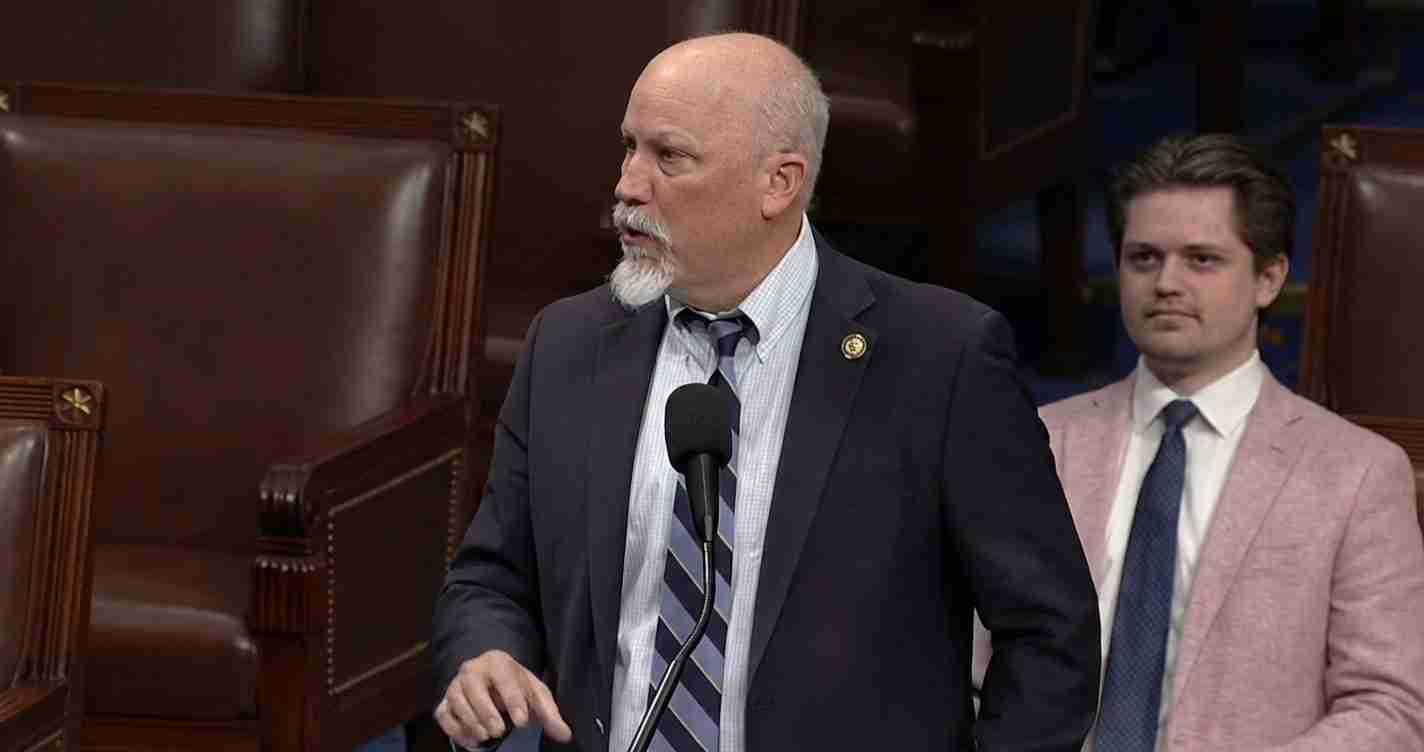
House sponsors and backers frame the SAVE America Act as a response to concerns about election integrity. Rep. Chip Roy (R-Tex.) and other supporters say requiring proof of citizenship and photo identification will make voting more secure and restore public confidence. The bill’s backers argue it would standardize verification across states rather than leaving a patchwork of rules in place. See the Sponsor materials.
“America’s Elections are Rigged, Stolen, and a Laughingstock all over the World. We are either going to fix them, or we won’t have a Country any longer.” — President Donald Trump (post on Truth Social urging passage of the SAVE America Act)
Supporters say the law targets ineligible voting and would safeguard the franchise so that “every legal vote counts.” Some media reports have named other high-profile figures as supporters, but independent confirmation of endorsements by certain celebrities was not found in the public records reviewed for this report.
Opponents: disenfranchisement and practical barriers
Voting-rights organizations and Democrats argue the bill would create new hurdles that could prevent eligible Americans from voting. The Brennan Center and other advocates say millions lack ready access to required documents like passports or birth certificates, and that burdens will fall disproportionately on young voters, people of color, the elderly and low-income communities.
One analysis cited that more than 21 million Americans lack easy access to IDs or birth documentation the bill might require. Critics also warn the bill could reduce or eliminate practices such as online or mail registration and same-day registration in some states, forcing in-person verification and creating hardship for recent movers, students, people with disabilities and those who rely on mail-in voting. See reporting from CBS News and the Campaign Legal Center for further analysis.
Legal and administrative hurdles
The SAVE America Act would shift significant verification work to state and local election officials, requiring coordination with federal agencies and new data matches. Election administrators have warned that access to federal databases can be imperfect and that matching errors could wrongly flag eligible voters.
Bipartisan policy experts note that while ensuring citizenship for registrants may be a shared interest, there are less burdensome verification methods that do not carry the same risk of disenfranchisement. The Bipartisan Policy Center suggests improvements in verification procedures rather than wholesale rollback of online and mail registration.
Legislative status and the path ahead
Multiple versions of the SAVE Act have been introduced in the 119th Congress. H.R. 22 focused on registration proof, while a later measure, H.R. 7296, added broader photo ID voting requirements. Parts of the legislation were amended during committee work — one amendment removed a requirement to show citizenship at the polling location but retained registration and photo ID changes. For the official measures, see H.R. 22 and H.R. 7296.
As of this report, the House is preparing further action and some Senate Republicans are discussing changes to filibuster rules to enable passage — a politically contentious step that would represent a major change in Senate precedent.
Celebrity endorsements and public messaging
The debate has spilled into social and mainstream media. President Trump has urged passage. Reports have circulated naming celebrities and business leaders as supporters; however, newsrooms and editors should exercise caution. Public records and mainstream searches did not produce independent verification of endorsements from individuals such as Elon Musk or Nicki Minaj at the time of reporting. See the CBS News overview for context.
Implications for Utah
Economic impact: Implementing the SAVE America Act would require Utah county clerks and the state election office to invest in new processes and possibly technology to verify citizenship and collect photo ID information for mail ballots. That could include reprogramming databases, hiring staff, outreach costs and legal expenses if litigation follows. Rural counties with limited budgets may face the greatest burden.
Political consequences: Utah is a conservative state that values secure elections; many local Republicans may welcome federal photo ID and proof-of-citizenship rules as measures to tighten election integrity. At the same time, officials will need to balance those priorities with voter-access programs — including registration drives at universities and outreach to Native American communities.
Social effects: While some Utah residents may find the documentation rules straightforward, others — including young adults, Native American communities, low-income households and recent movers — could face extra obstacles. Tribal members in Utah sometimes rely on tribal IDs; the Brennan Center’s analysis raises similar concerns nationwide.
Practical applications for residents
Utahns should check current state rules and plan ahead. Residents lacking a passport or birth certificate should contact county clerks to learn what documents their state accepts and whether alternatives or verification procedures are available. Voters who rely on mail ballots should confirm accepted ID forms and whether a copy of photo ID must accompany absentee ballots. County election offices and the Lieutenant Governor’s office typically publish guidance and can help residents obtain necessary documents.
Sources and further reading
- SAVE Act text and summaries (H.R. 22)
- H.R. 7296 text
- Sponsor materials (Rep. Chip Roy)
- CBS News overview
- Campaign Legal Center explainer
- Democracy Docket summary
- Brennan Center analysis
- Bipartisan Policy Center briefing
Reporting by Times Media Service. Preserve original facts and URLs included above.