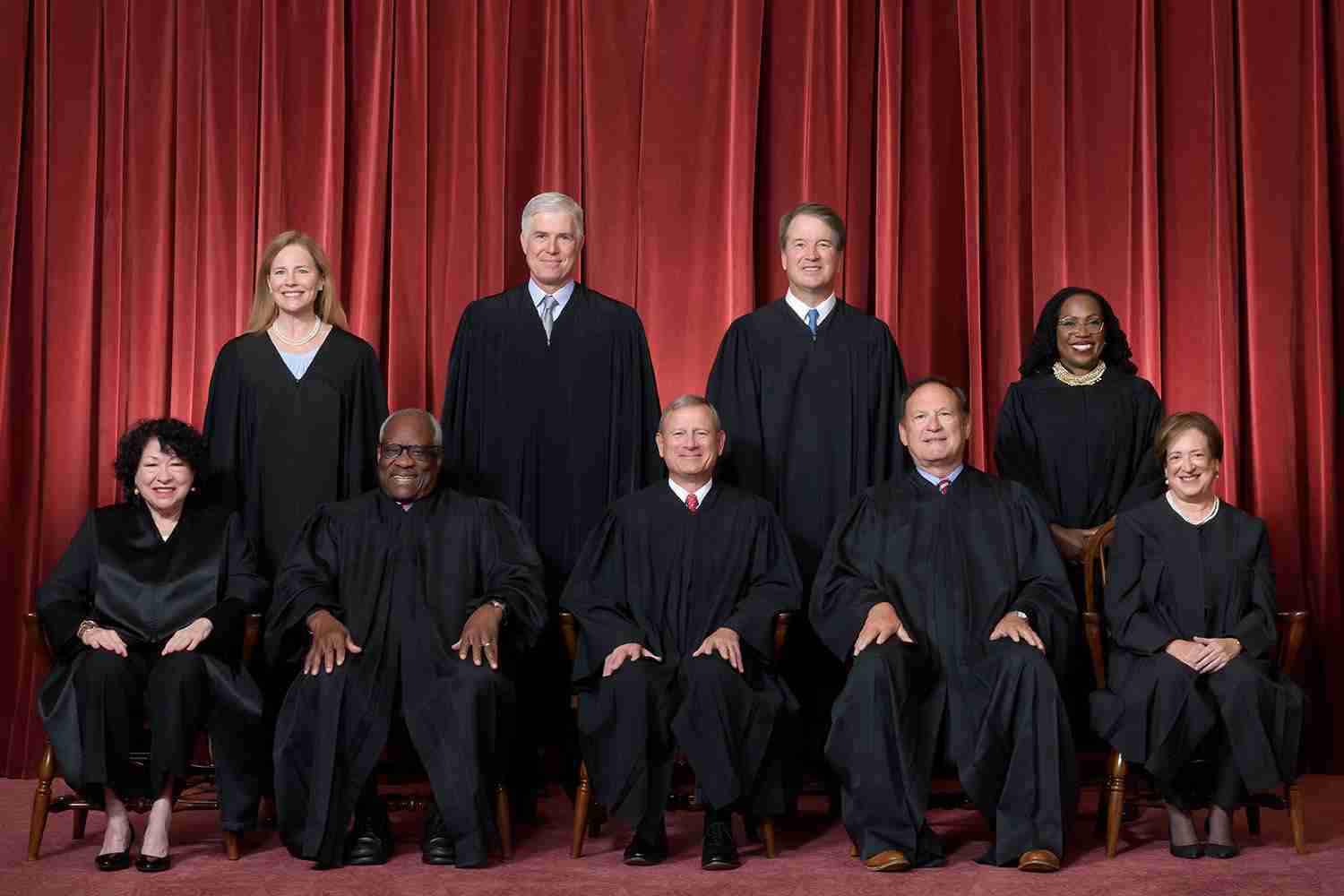
Supreme Court blocks SNAP funding order after Trump administration appeal, pausing lower court mandate on food aid program
The US Supreme Court temporarily blocked a lower court’s order that would have forced the Trump administration to fully restore SNAP funding, pausing increased food aid for low-income Americans while the high court weighs legal issues and potential appeals.
- Temporary stay: The Supreme Court granted an emergency appeal to pause a lower court order requiring full SNAP funding. Source
- Administration’s rationale: The government argued immediate resumption would be administratively difficult and could cause irreversible actions if later overturned. Source
- Procedural posture: The stay preserves the status quo while higher courts consider the legal questions or accept a fuller appeal. Source
What the Supreme Court did and why it matters
The court granted an emergency appeal from the Trump administration and issued a temporary stay of a lower court mandate that would have required immediate restoration of full SNAP funding. This is a procedural pause, not a decision on the merits.
By halting the lower court’s order, the Supreme Court maintains the status quo, preventing abrupt changes to benefit levels or funding obligations while judges review the central legal issues.
“The order preserves current operations so the courts can evaluate the main legal questions without forcing immediate administrative reversals.”
How the Trump administration framed its appeal
Federal filings—summarized in available reporting—said immediate resumption of full funding would cause significant administrative disruption and could produce irreversible consequences if the lower court is later reversed.
- Administrative disruption: Restoring funding quickly may require rewriting guidance, updating systems, and re-notifying recipients — costly and time-consuming for states and federal agencies.
- Irreversibility: Issuing expanded benefits that must later be rescinded could cause hardship and legal exposure if the lower ruling is overturned.
- After an appeals court denied a stay, the administration sought emergency relief from the Supreme Court. Source
What we still do not know
Public reporting is limited on the underlying dispute. Key unknowns include whether the case centers on statutory triggers, pandemic-era adjustments, or agency policy changes affecting eligibility and benefit levels.
Important documents to await: the lower court’s written opinion, the appeals court order denying a stay, and the government’s emergency filings with the Supreme Court. These will clarify the precise legal questions at issue.
Source and reporting note
Coverage of the emergency stay and filings is based on available footage and summaries. Source captures the appeals court denial of a stay, the government’s emergency petition, and the Supreme Court’s temporary block of the lower court order.
Why the court’s move is legally routine but politically important
Emergency stays are a common judicial tool to prevent sudden, potentially irreversible changes while appeals proceed. Yet such procedural steps can have outsized policy and political effects—especially for programs like SNAP that serve millions.
For policymakers, the stay signals judicial caution and a preference for orderly review before large-scale programmatic changes take effect.
How this plays to a conservative audience
Conservative perspectives often emphasize rule of law, administrative order, and judicial restraint. The temporary stay aligns with those values by avoiding abrupt implementation that might later be reversed.
Conservatives focused on fiscal restraint and program integrity may see the case as central to agency discretion, statutory interpretation, and limits on court-ordered administrative changes.
Implications for Utah
Economic impact
- SNAP is a key source of food aid for low-income households in Utah; changes could affect tens of thousands of families.
- The Supreme Court’s pause limits near-term disruption to state agencies and budgets by keeping current funding levels in place.
Political consequences
Utah leaders—many aligned with conservative principles—are likely to favor predictable, measured changes over abrupt court-driven shifts. The stay provides time for state officials to plan and respond.
Social effects
Families relying on SNAP face uncertainty. Even without immediate changes, the legal fight creates anxiety for low-income households and requires nonprofits and food banks to remain prepared.
Cultural relevance
In Utah’s civic culture, the case highlights tensions between judicial intervention and administrative governance; the stay reflects a preference for orderly legal process and local preparedness.
Practical applications for residents
- SNAP recipients: Expect current benefit levels and rules until courts issue further orders; check the Utah Department of Workforce Services for official updates.
- State agencies: Use the breathing room to audit systems and prepare contingency plans for either outcome.
- Local nonprofits: Monitor court filings and be ready to adjust distribution plans if federal funding changes later.
What to watch next
- Whether the Supreme Court requests full briefing or schedules further argument.
- Key documents: the lower court opinion, the appeals court order denying a stay, and the government’s emergency filings.
- Reporting that reveals if the dispute centers on pandemic-era rules, statutory interpretation, or agency policy changes.
- How Utah officials and community groups respond as the case develops.
Source used in reporting: Source used in reporting