Trump announces Trump Kennedy Center will close July 4 for two years of “complete rebuilding”
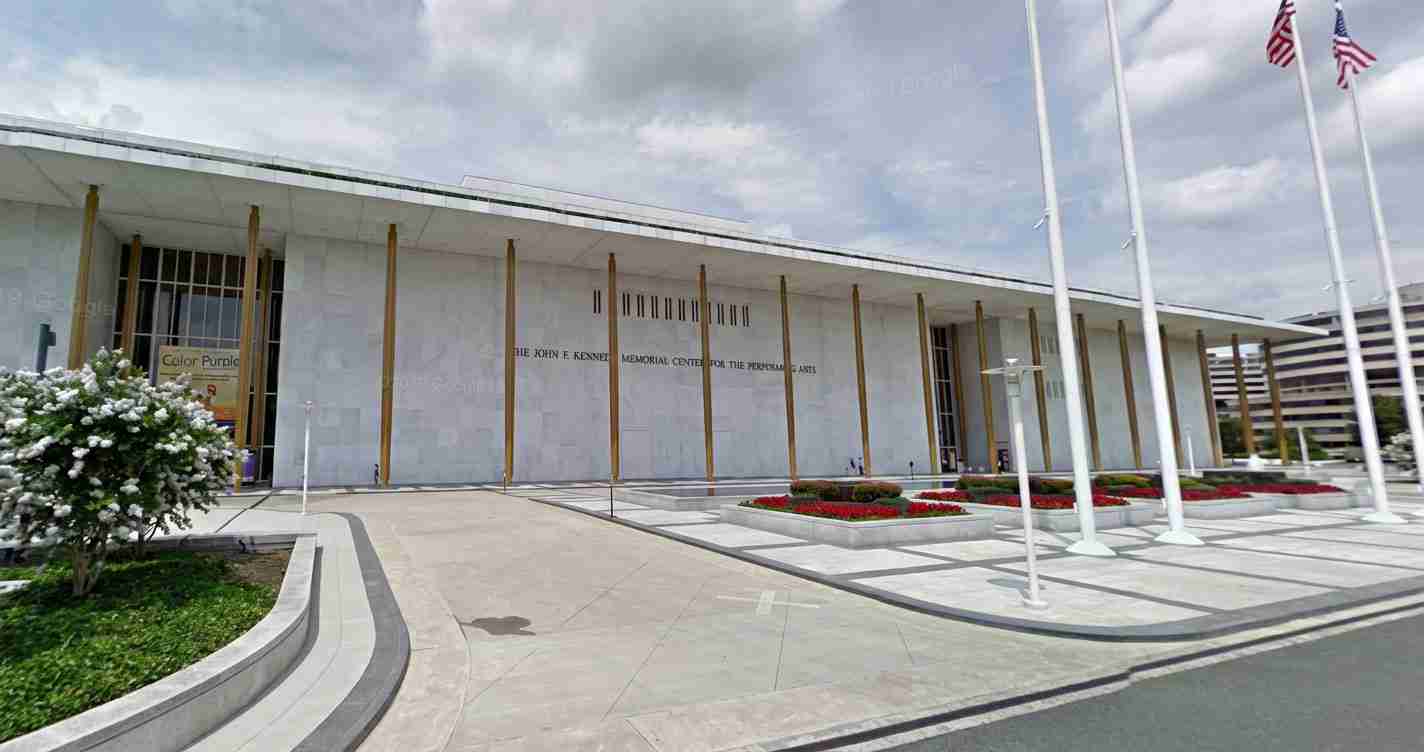
President Donald Trump announced the Trump Kennedy Center will close on July 4, 2026, for about two years of “complete rebuilding,” a move that has drawn criticism from artists, the Kennedy family, and resident companies like the National Symphony Orchestra.
Key takeaways
- Closure date: July 4, 2026 (U.S. semiquincentennial) — announced by Trump and reported by CBS News and Politico.
- Scope and length: About two years of full shutdown for “Construction, Revitalization, and Complete Rebuilding,” per CBS News.
- Board approval and funding unclear: Plan requires the Kennedy Center board’s approval; Trump chairs the board. He said funds are in place but provided no cost estimate or funding breakdown (CBS News / Politico).
Details of the plan and Trump’s rationale
Trump said a full shutdown will let crews work faster and deliver higher-quality renovations than piecemeal work while performances continued. He called the venue “tired, broken, and dilapidated” and promised a “new and spectacular entertainment complex” and a grand reopening to surpass the past.
Announcement channel: Trump posted the plan on Truth Social, citing a yearlong review with contractors, arts experts and advisers (CBS News / Politico).
“A brief closure in retrospect” — Interim director Richard Grenell publicly endorsed the move, calling it what the center “desperately needs.” (Reported by CBS News.)
Background and recent turbulence
The announcement follows a year of upheaval. In February 2025 the board was reshaped and, in December 2025, the building was renamed the Trump Kennedy Center. Those moves prompted cancellations and boycotts: the Washington National Opera said it would leave, composer Philip Glass withdrew a planned premiere, and other performers pulled out amid falling ticket sales and protests (Politico; Washington Classical Review).
Trump had hosted the premiere of the “Melania” documentary at the center the week before the closure announcement — an example of the building’s growing political role. Reports also said there would be no Black History Month programming in 2026, a point raised by critics linking broader administration cultural moves (YouTube briefing).
Staff and resident groups react
Kennedy Center staff said they learned of the shutdown from Trump’s post. One anonymous senior staffer told CBS News, “I don’t know what any of it means.”
Resident companies, including the National Symphony Orchestra (NSO) and various chamber series, did not immediately say where or when scheduled performances would be moved. The temporary closure raises immediate operational and financial questions for hundreds of scheduled performances (Washington Classical Review).
Legal and political controversy
Legal challenges and political pushback have followed the renaming and governance changes. Democracy Defenders Action and the Washington Litigation Group — representing former board member Rep. Joyce Beatty — have mounted litigation challenging recent board actions and the renaming. Critics argue the closure might be used to avoid ongoing boycotts; they vow further action (CBS News).
Kennedy family response: Jack Schlossberg, JFK’s grandson and a Democratic congressional candidate, wrote that Trump had “taken the Kennedy Center for himself,” urging voters to seek change. The dispute has become a political flashpoint over cultural stewardship and political influence in arts institutions.
Unanswered questions
Important details remain unknown: cost estimates, whether funding is federal or private, an architectural or engineering plan, and the precise meaning of “Complete Rebuilding” — renovation, major structural work, or partial demolition. Reporters and arts experts are pressing for project plans and oversight details (CBS News; Washington Classical Review).
Why this matters to donors, taxpayers and artists
A major national performing arts center anchors America’s cultural life. Changes to name, leadership and operations raise practical and financial issues — contracting, transparency, the fate of scheduled shows, and livelihoods of musicians and stage crews. For readers prioritizing stewardship and efficiency, the key tests will be whether the project is delivered on time, on budget, and with proper oversight.
Implications for Utah
Economic impact: Utah touring companies, venues and promoters watch D.C. closely. Redirected touring schedules or moved performances could alter booking patterns and create both gaps and opportunities for Utah presenters (Washington Classical Review).
Political consequences: The controversy feeds national debates about presidential influence on cultural institutions. Utah lawmakers and voters may weigh leadership and fiscal-responsibility arguments differently depending on transparency, oversight, and the project’s progress.
Practical steps: Utah arts managers and event planners should begin contingency planning now: flexible booking strategies, early outreach to touring companies, and emergency budgeting for displaced shows. Local presenters may find new touring partners or host diverted acts.
Source list for reporting
Reporting by Times Media Service; updates will follow as board decisions, funding details, and relocation plans emerge.