Former Air Traffic Controller: Obama-Era Policies, FAA “Deep State” Left System Broken — Secretary Duffy Needs Outside Help, Pearson Says
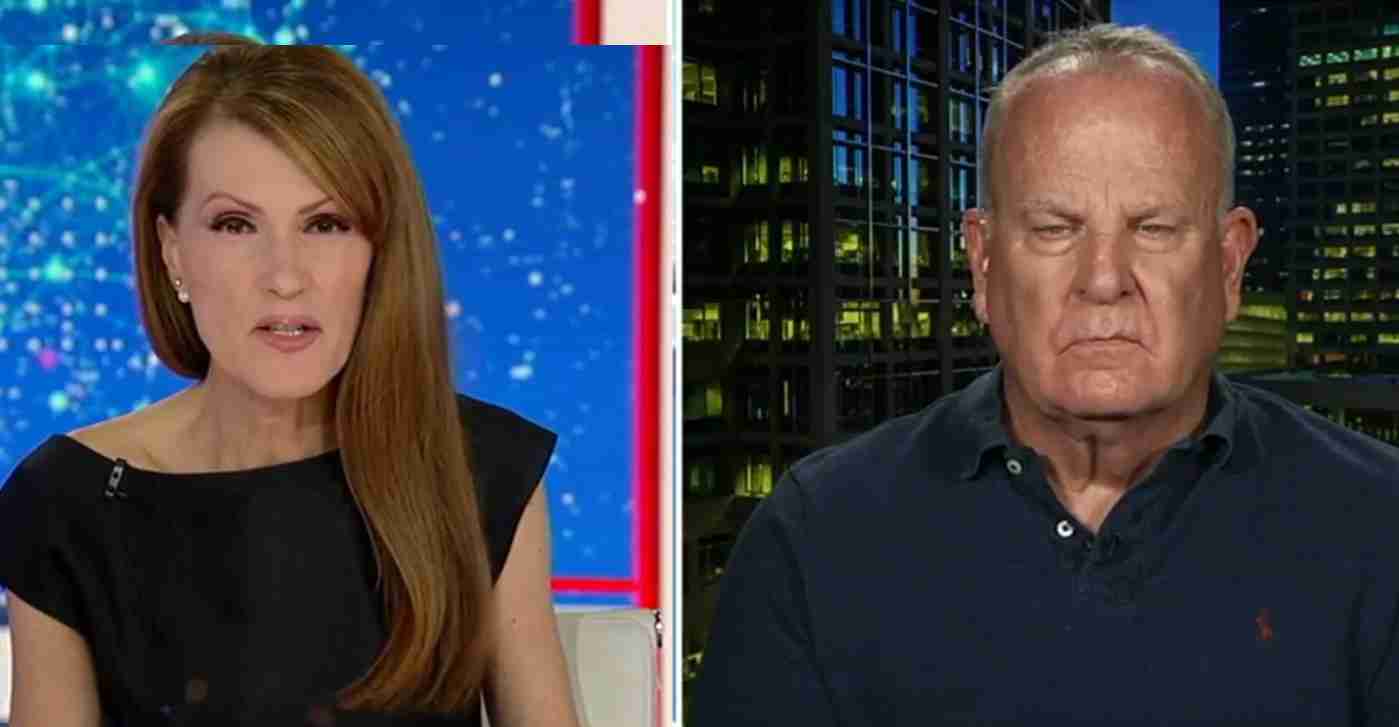
Former air traffic controller Michael Pearson told Fox Business that Obama-era policies and entrenched FAA culture produced today’s staffing crisis, urging Secretary Sean Duffy to recruit outside experts amid a government shutdown disrupting U.S. aviation operations.
Key takeaways
- Pearson blames recruitment and personnel choices in 2011–2014 for long-term controller shortages and operational strain (Fox Business; YouTube: Michael Pearson on The Bottom Line).
- Immediate impacts cited: FAA directives to cut ~10% of scheduled flights at about 40 major airports and thousands of unpaid controllers and TSA agents affecting millions of travelers (Fox Business).
- Pearson urges outside, independent experts to diagnose and rebuild FAA systems, calling current reliance on legacy management insufficient.
Pearson’s account: staffing shortfalls, overwork and travel disruption
On The Bottom Line, Michael Pearson described a stark daily reality for controllers and airport staff during the shutdown: long shifts, frequent overtime, and fatigue-driven safety stress. He said controllers were working extended schedules — sometimes six days a week and eight to ten hours per day — while chronically understaffed facilities amplify risk.
Pearson cited a current shortfall of between 3,000 and 3,500 certified controllers compared with staffing needs established in prior years, and warned of concrete operational effects. He referenced an FAA directive to reduce scheduled flights by 10% at roughly 40 of the busiest U.S. airports, and estimated that about 13,000 air traffic controllers and 50,000 TSA agents were working without pay — affecting around 3.2 million travelers during the shutdown (Fox Business; YouTube).
Origin story: Obama administration FAA policies, recruitment and DEI
A central theme of Pearson’s remarks was that the crisis traces to recruitment and personnel policies implemented during 2011–2014 under the Obama administration. He alleged leadership choices then “decided that the color of the controller was more important than the competency of the controller,” a phrase he used to explain a multi-year shortfall in experienced controllers.
Pearson specifically linked emphasis on diversity, equity and inclusion (DEI) to what he described as lower hiring standards and slower certification pipelines, arguing these factors produced fewer fully qualified controllers at a time when retirements and attrition were already reducing ranks (Fox Business; YouTube).
FAA leadership, NextGen and the call for outside help
Pearson was sharply critical of FAA leadership and the agency’s modernization program, NextGen. He labeled parts of FAA management a “legacy deep state bureaucracy” and asserted that NextGen resulted in “billions of dollars in wasted spending” while failing to resolve operational shortfalls.
Because he views the problems as institutional, Pearson urged Secretary Sean Duffy to recruit outside counseling — independent experts without long ties to FAA culture — arguing that relying on the same internal officials to repair the system is flawed. He called promises to fully repair the agency from within in two years “insanity,” and recommended sweeping changes to recruitment, training, and retention (Fox Business; YouTube).
Industry reaction and broader warnings
Pearson’s warnings have resonated in some industry quarters. He told FOX 10 Phoenix that travel disruptions could “get worse before it gets better,” reflecting concerns that short-term staffing measures during the shutdown could ripple into months of delays and cancellations.
Airline groups, labor representatives, and airport operators have expressed alarm about operating under a shutdown, citing impacts on safety, customer service, and the economy. Pearson emphasized that beyond pay concerns, structural issues — recruitment pace, certification bottlenecks, and workplace culture — drive fatigue and turnover and must be addressed to retain controllers and attract new talent (YouTube; Fox Business).
Implications for Utah
Economic impact: Utah’s growing travel demand at Salt Lake City International Airport and regional airports could face cascading delays and cancellations if major hubs cut schedules by ~10%, increasing connection times and costs for travelers (Fox Business).
Political consequences: Pearson’s focus on FAA hiring policy origins and agency culture may spur Utah lawmakers to push for outside audits, independent reviews, or expedited hiring and certification measures to safeguard the state’s airports and economy (YouTube).
Social effects: Families, seasonal tourism, and business travelers in Utah could face increased disruptions; stress on airport workers may affect local customer service and perceptions of safety (Fox Business; YouTube).
Practical applications: Near-term steps for Utah officials include coordinating contingency schedules with carriers, increasing public messaging about delays, and working with the FAA to fast-track credentialing and training where possible. Longer-term, state leaders may seek transparency on hiring data and federal support to rebuild regional control capacity (YouTube; Fox Business).
What Pearson said, and what remains to be verified
Pearson’s narrative ties policy choices from the 2010s to the current crisis and reflects his experience as a controller. His assertions about DEI-era hiring priorities, numerical shortfalls, and FAA management’s role would require independent verification — including hiring records, certification timelines, and internal policy memos — to confirm the full causal chain. The on-air interview and video clips contain his statements and exchanges (Fox Business; YouTube).