Iran’s “Water Bankruptcy” Deepens: UN Expert Warns Drought Could Weaken Regime and Nuclear Program
Iran faces its worst drought in decades — called “water bankruptcy” — threatening livelihoods, triggering strict rationing and incomplete fixes, and raising UN warnings that mass evacuations and weakened state capacity could imperil both governance and nuclear programs.
- Historic drought: Reservoirs serving Tehran are critically low, with the four primary dams down to roughly 14% capacity — creating near-term risk of supply and pumping failures.
- Public anger at governance: Surveys show most Iranians blame domestic mismanagement over natural causes or sanctions, fueling protests and eroding trust.
- Emergency measures, limited fixes: Officials have imposed household cut-offs and office closures while ambitious long-term projects like a desalinated-water pipeline remain far from finished.
- Strategic risk: UN experts warn that prolonged water failure could force mass evacuations and divert resources, weakening the state’s ability to sustain strategic programs, including nuclear efforts.
Severity of the crisis
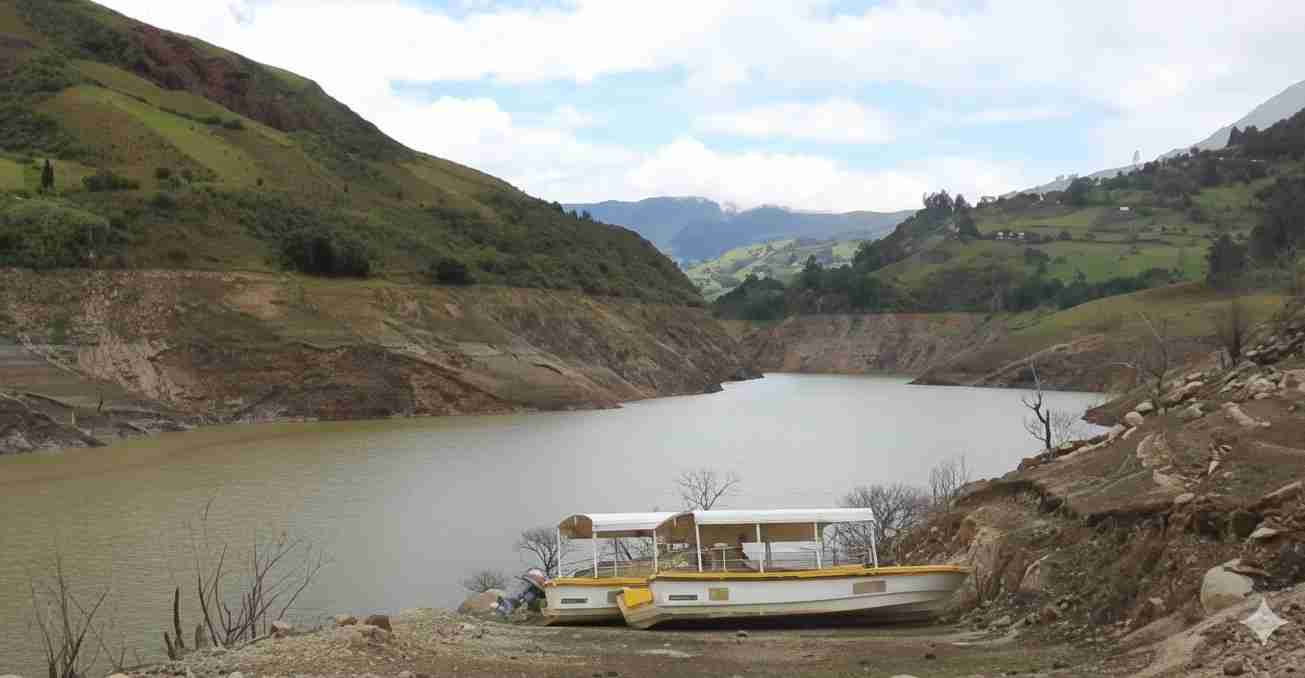
Iran is enduring a drought officials call the worst in living memory. Reservoirs and rivers that once fed major cities have fallen to historic lows. In Tehran, authorities report the four main dams are at about 14% capacity — a level that risks rapid reserve depletion and failures in electricity or pumping systems within weeks without sufficient rainfall. The phrase “water bankruptcy” has shifted from expert warning to everyday discourse inside Iran, underscoring shortages across households, farms, and industry. For background, see Water scarcity in Iran.
Public response and governance failures
A recent survey noted by observers found roughly 75% of Iranians attribute the crisis to domestic mismanagement and inefficiency rather than natural variability or sanctions. That perception matters: it drives demonstrations, undermines institutional legitimacy, and increases political pressure on the central government. Analysts point to years of underinvestment in water infrastructure, weak governance, and inefficient agricultural use as key drivers. For detailed reporting on governance and policy failures, read Why Iran is running out of water — power and patience.
Emergency measures and incomplete fixes
To stretch supplies, authorities have implemented strict curbs: 12-hour cut-offs for the highest-use households in Tehran and temporary closure of some government offices in 25 cities to save water. Officials are accelerating wastewater recycling and distribution projects, but large-scale solutions remain unfinished. One high-cost plan — a multi-billion-dollar pipeline to move desalinated water from the Sea of Oman inland — was reported to be only about 10% complete by 2025, leaving a substantial near-term gap. See Water scarcity in Iran for context.
Climate change and long-term pressures
Climate-driven shifts in rainfall and snowpack have increased drought frequency and severity across the region, compounding local problems. However, experts emphasize that policy choices — mismanaged irrigation, overwithdrawn groundwater, and absent conservation incentives — magnify the impact of climate trends. In several provinces, officials now treat drought as a long-term, possibly permanent condition rather than a temporary shock. For analysis of systemic causes, consult Why Iran is running out of water — power and patience.
Evacuation warnings and humanitarian risk
“If the environmental decline continues and rainfall does not improve, large-scale population movements could become necessary,”
UN experts and analysts have issued stark warnings that sustained declines could force mass evacuations. Iran’s President Pezeshkian has echoed these concerns, noting that without improved rainfall some towns and villages may need to be relocated. Mass displacement would create urgent humanitarian needs, strain relief systems, and heighten the risk of broader unrest. Background: Water scarcity in Iran.
How water scarcity can weaken state capacity and strategic programs
Beyond daily hardship, analysts and UN observers warn that water bankruptcy can force the state to reallocate funds and attention to emergency relief and infrastructure fixes. That diversion can reduce investment in long-term strategic priorities — including military and nuclear programs — at the same time public unrest erodes domestic legitimacy. Sustained instability complicates the regime’s ability to maintain complex, sensitive programs without external support or internal calm. See Water scarcity in Iran and Why Iran is running out of water — power and patience for more.
Economic effects and rural collapse
Rural areas are particularly vulnerable: as wells dry and rivers recede, crops and livestock suffer, undermining livelihoods and driving internal migration to cities. Policymakers face harsh trade-offs — prioritize urban water and industry or preserve agriculture — each choice carries political and social costs. The resulting food-security and employment impacts will weigh on both local economies and national stability. Context: Water scarcity in Iran.
Security implications for the region and for nuclear ambitions
Strategically, the crisis complicates Tehran’s ability to sustain long-term programs. If budgets and attention are redirected to water relief, investment in other national priorities may stall. Analysts argue domestic instability reduces the regime’s capacity to oversee complex programs and may alter timelines tied to its strategic posture. External observers should factor environmental collapse into planning. Sources: Water scarcity in Iran, Why Iran is running out of water — power and patience.
Implications for Utah
Economic and energy links: Utah’s economy is tied to global energy and commodity markets; instability in Iran could modestly influence oil and gas prices, affecting energy costs for businesses and households. Monitor trends as part of broader market risk assessments. (Water scarcity in Iran)
Security and nuclear risks: For conservative and security-focused readers, internal deterioration in Iran may alter the regime’s capacity or incentives around its nuclear program — either delaying efforts or prompting risky actions to rally support. Consider environmental collapse in strategic assessments. (Water scarcity in Iran; Why Iran is running out of water — power and patience)
Humanitarian and migration concerns: Large evacuations would pressure regional refugee systems; while Utah is not on the immediate front line, state humanitarian groups and resettlement networks would track developments and prepare contingencies. (Water scarcity in Iran)
Local policy lessons: Iran’s crisis underscores how governance choices amplify climate risk. Utah policymakers and water districts should invest in resilient infrastructure, groundwater management, and conservation to reduce local political and economic pressure from drought. (Why Iran is running out of water — power and patience)
Political messaging: The Iranian case highlights how mismanagement can undercut legitimacy and strategic programs, a narrative likely to resonate with Utah’s conservative audiences and shape debates on foreign policy and humanitarian aid.