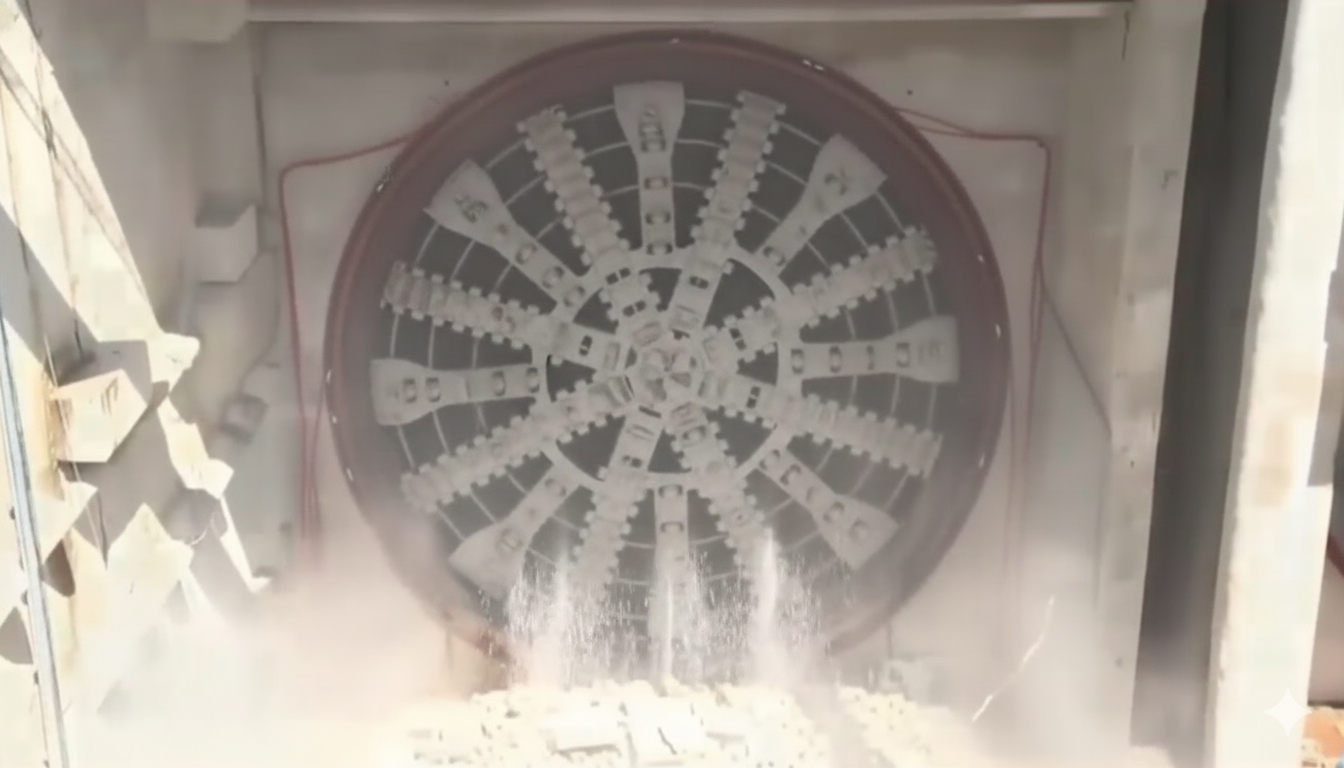
Musk’s Boring Company Fined Nearly $500,000 as Almost 800 Violations Stall Vegas Loop Expansion
Regulators fined Elon Musk’s Boring Company nearly $500,000 after inspectors logged almost 800 environmental and safety violations tied to the Vegas Loop, allegations that include illegal dumping, missed inspections and workplace hazards that have delayed expansion.
Key takeaways
- Nearly 800 violations were recorded, including illegal dumping into manholes, unapproved excavation and missed environmental inspections, per ProPublica and county records.
- Fines total roughly $500,000 across multiple agencies after regulators initially weighed penalties topping $3 million (ProPublica; Clark County Public Health).
- Workplace and emergency responder risks include contaminated ankle-deep water, chemical burns and firefighter gear decontamination; Nevada OSHA citations exceeded $112,000 (reporting by Fortune).
- Project delays and oversight debate: openings of new Loop stations were paused until safety and environmental issues are addressed, and public records show dispute over applicable local rules (ProPublica).
Illegal dumping, missed inspections and workplace hazards
Investigators allege the Boring Company discharged tunneling fluids and waste into Las Vegas manholes and storm drains — materials that reportedly included chemical accelerants and the wet “muck” produced by the company’s Prufrock tunneling machines. County public health records detail fines for discharging contaminants into sewer systems and failures to control waste at the surface (Clark County Public Health).
Regulatory documents reviewed by reporters show nearly 700 missed environmental site inspections, a major compliance gap. Records indicate state and county regulators weighed larger penalties before finalizing reduced fines that cumulatively approach $500,000 (ProPublica).
“Inspectors found widespread failures to control waste and complete required oversight,” according to the investigative reporting and county notices.
Workplace safety problems and firefighter exposure
Workers reported encountering ankle-deep water contaminated with drilling fluid and chemicals; some described chemical burns after contact with tunnel waste. Firefighters responding to incidents said they had to decontaminate gear following exposure. Nevada OSHA citations and related penalties tied to the project exceeded $112,000 in late 2023 (ProPublica; Fortune).
Worker and responder health concerns have been central to regulators’ decisions to pause new station openings until corrective actions are verified.
Impact on Vegas Loop project schedule
County inspectors delayed openings of new Loop stations while fire safety systems, environmental controls and other deficiencies were corrected. Regulators warned they could issue a formal “cease and desist” order if compliance does not improve — a move that would halt tunnel construction and station work (ProPublica).
Regulatory debate and oversight questions
Records show tension over which local rules apply. The Boring Company at times argued its system did not require the same “amusement and transportation system” permit that other projects face, and county officials allowed alternative oversight arrangements in some cases. Critics say those arrangements created gaps in public accountability.
Public records also suggest lapses in transparency: logs show meetings involving state officials and workplace-safety discussions were removed from public calendars, prompting questions about enforcement handling (ProPublica; Fortune; Benzinga).
Officials and tourism board responses
Some local officials maintain the project is being properly regulated. Tourism and county leaders pointed to instances where construction was halted or delayed while safety fixes were made, but the sheer number of violations has prompted media scrutiny and public concern about whether penalties and oversight were strict enough (ProPublica).
Company response and dispute process
The Boring Company has disputed portions of the allegations and indicated it may pursue dispute resolution before paying some fines. Regulators note that appeals or administrative disputes do not eliminate enforcement options while cases proceed (ProPublica).
Numbers and fines in context
Regulators initially discussed potential penalties exceeding $3 million when tallying environmental and safety violations. Public records now show finalized or reported fines total roughly $500,000 across agencies, including environmental penalties and workplace-safety citations (see ProPublica; Clark County Public Health; Fortune).
Why this matters for taxpayers and contractors
For readers who support private-sector innovation, the episode underscores the tension between encouraging private infrastructure and enforcing environmental, safety and transparency rules. Delays and fines raise costs and uncertainty for local contractors, suppliers and taxpayers who expect compliance.
Policy question: Did oversight protect public health and property without needlessly stifling private investment? The sequence of events suggests clearer contracting language and enforceable standards could reduce future disputes.
Implications for Utah
Economic impact: Utah businesses and contractors tracking regional projects may face fewer opportunities if private investors grow risk-averse. Construction firms that might have supplied equipment, materials or tunneling services could see slowed demand.
Political consequences: Utah’s pro-business, limited-government orientation may push leaders to favor streamlined permitting — but this episode could prompt demands for tighter oversight language, stronger compliance guarantees and contract terms that prioritize safety.
Social and cultural effects: Reports of contaminated tunnel water and firefighter exposure may increase public demand for transparency and robust inspections. Utah constituents who value stewardship and rule-following may favor clear, enforceable standards over ad-hoc exemptions.
Practical implications: local leaders may require clearer permitting conditions, routine public inspection reports and stronger penalties for noncompliance. Contractors should be prepared for more rigorous documentation of environmental controls and worker-safety plans.
Reporting and documents
This article is drawn from regulatory filings, county public health notices and investigative reporting. Key sources include ProPublica’s investigation, Nevada and Clark County public health records (Clark County Public Health), and reporting on workplace safety and document-handling concerns by Fortune, Drive Tesla Canada and Benzinga.
Preserve transparency and enforceable standards: the Boring Company’s fines and the nearly 800 violations tied to the Vegas Loop are a reminder that innovation without robust oversight can cost money, time and public trust.