FAA to lift emergency flight restrictions Monday as controller staffing rebounds; Duffy credits Trump’s leadership
The FAA will lift emergency flight restrictions nationwide at 6 a.m. ET Monday, allowing commercial airlines to resume regular schedules after controller staffing improved following a prolonged government shutdown; Transportation Secretary Sean Duffy credited President Trump’s leadership.
- Full rescind at 6 a.m. ET Monday: affected airports will return to normal operations.
- Staffing triggers drove limits: cuts began Nov. 7 and peaked amid cancellations and bad weather, prompting emergency orders to reduce traffic.
- Political and safety messaging: Secretary Sean Duffy and FAA Administrator Bryan Bedford praised a return of controllers and said “controllers will be made whole quickly.”
- Ongoing oversight: the FAA will continue monitoring staffing triggers and may enforce compliance or adjust operations if safety metrics worsen.
Why the FAA imposed restrictions
The FAA issued emergency orders beginning Nov. 7 after officials detected what they described as dangerous drops in air traffic controller staffing during the nation’s longest government shutdown. The orders sought to reduce flight volume at major hubs to preserve safety margins.
Initial guidance aimed at a roughly 10% reduction that was then adjusted — early directives called for a 4% drop, later a 6% cut at the crisis’ peak — as officials balanced capacity and safety. On Nov. 9, staffing and severe weather combined to produce more than 2,900 cancellations across the system (reporting).
Staffing triggers and measured risk
Federal officials tracked “staffing triggers” — metrics indicating critical gaps in controller coverage. Triggers spiked to as many as 81 on Nov. 8, a level officials said posed an unacceptable safety risk and justified operational limits (reporting; DOT statement).
What changed: how staffing improved
A bipartisan deal to end the shutdown was struck on Nov. 12, after which many federal workers returned to duty. The FAA reported a sharp decline in staffing triggers — from dozens daily to only four by Nov. 14 — and temporarily rolled limits back to a 3% reduction before deciding to end all reductions.
The FAA’s safety team recommended returning to normal operations once staffing and safety markers stabilized. Officials issued formal notice on Sunday, Nov. 16, that the emergency limits would be rescinded effective Monday morning (WNSB report; FAA Nov. 14 addendum).
Administration response and political messaging
Transportation Secretary Sean Duffy and FAA Administrator Bryan Bedford framed the reversal as a win for federal leadership and safety. In a joint statement they said, “President Trump’s message has been heard loud and clear: controllers will be made whole quickly,”
and praised a “surge” in returning controllers (full statement).
That message followed public pressure from President Trump, who publicly and on social media demanded controllers “get back to work, NOW,” and warned of consequences for continued absence (coverage; video).
Investigative note: The rapid political framing raises questions about whether staffing returned primarily because of improved conditions or political pressure. Officials have pledged controllers will be made whole, but specifics on back pay, reassignments or disciplinary reviews remain under review.
Commercial airlines resume schedules; traveler and industry impact
Airlines cut flights and reworked schedules as hubs felt the ripple effects. The emergency orders slowed hub operations, forced rebookings, cancellations and route consolidations. Industry officials warned of growing financial strain if limits persisted into the holiday season (reporting).
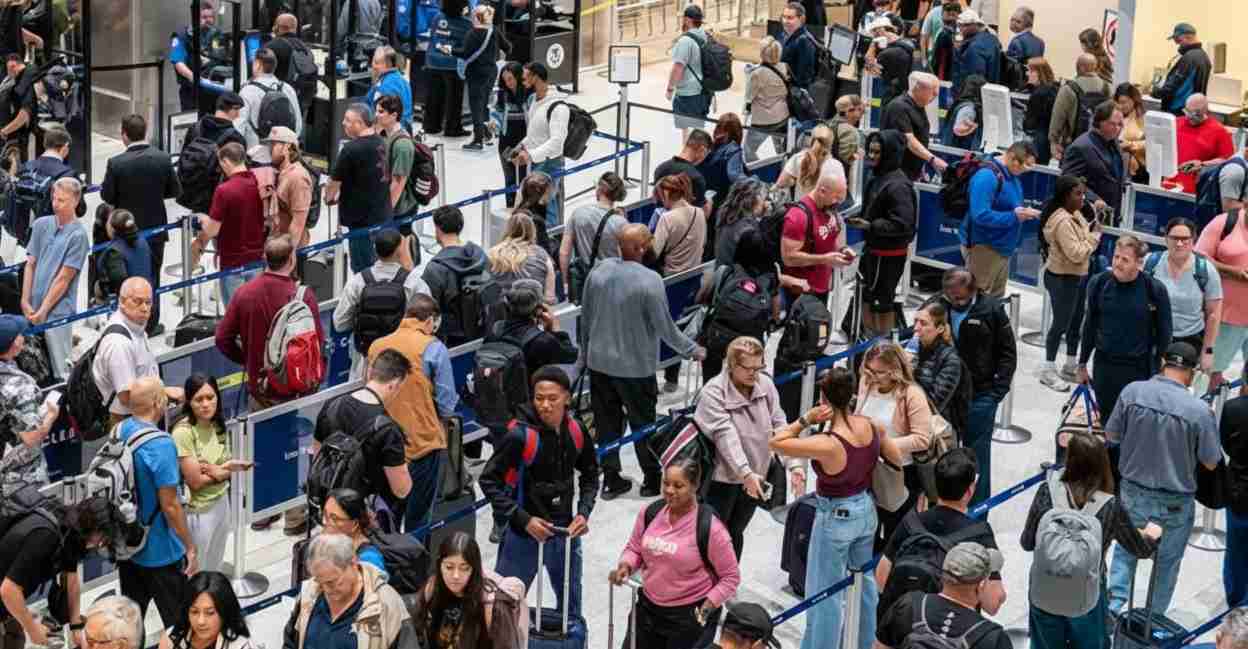
With the FAA lifting restrictions at 6 a.m. ET Monday, carriers should return to pre-reduction schedules, easing passenger backups and allowing airlines time to recover lost revenue. Operational recovery will not be instant: aircraft, crews and gates must be repositioned; some travelers will still face delays as itineraries are rebuilt.
Monitoring, enforcement and safety oversight
FAA and DOT officials said they will continue to watch safety trends and staffing levels and will make adjustments if conditions deteriorate. The FAA signaled it could pursue enforcement action against airlines that did not comply with emergency orders during the shutdown (reporting).
Longer-term questions remain: How quickly can the FAA replace lost controllers if resignations continue? Will the agency invest in recruitment and training to prevent future shortages? Officials say safety will guide decisions, but detailed staffing plans and budgets were not fully outlined (FAA Nov. 14 addendum).
Implications for Utah
Economic impact: Utah’s airports and travel businesses felt fallout from the cuts. Salt Lake City International Airport, a regional hub, and operators across the Intermountain West will benefit from restored schedules ahead of the holidays.
Political consequences: Local conservative audiences are likely to note the Transportation Department’s attribution of the turnaround to President Trump’s calls for a return to work. Critics caution against politicizing safety oversight and will press for clear, apolitical staffing plans (DOT statement; coverage).
Social and cultural effects: Utah families and tourism-dependent communities — from Park City to southern Utah — faced uncertainty. Restored service should ease travel plans, though passenger confidence and operational normalization may take time.
Practical applications for travelers
Travelers should check directly with airlines for updated itineraries and confirmations as carriers rebuild schedules. Passengers with canceled flights should contact carriers about refunds or rebookings. Local airport authorities will update gate and ground operations, but expect some residual delays during resynchronization (advice/reporting).
Sources and documents
- FAA Emergency Order cancellation and replacement document (Nov. 12, 2025)
- FAA November 14 addendum
- U.S. Department of Transportation statement by Secretary Sean P. Duffy and FAA Administrator Bryan Bedford
- KUTV reporting on FAA lifting order and system impacts
- WNSB reporting on FAA schedule resumption
- Coverage of President Trump’s public statements urging controllers to return
- Public video of presidential remarks
Authorities say they will continue to watch staffing triggers and safety data closely and adjust operations if needed (DOT statement; FAA Nov. 14 addendum).