Iran army chief issues stark “preemptive attack” warning after Trump’s “locked and loaded” remarks — Maj. Gen. Amir Hatami signals tougher deterrent
Iran’s army chief Maj. Gen. Amir Hatami warned Tehran could carry out a preemptive attack if it perceives an imminent threat, responding to President Trump’s “locked and loaded” remarks amid nationwide protests and heightened military readiness.
Key takeaways
- Preemptive posture: Hatami warned Iran may strike first if it detects an “indication of threat,” saying hostile rhetoric “will not go unanswered” — a marked hardening of deterrent language.
- Response to U.S. rhetoric: The comments followed President Trump’s “locked and loaded” warning and were framed by Tehran as a direct provocation.
- Context of prior conflict: Iran’s posture reflects lessons from last year’s June 12‑day conflict with Israel and the U.S., when senior commanders and facilities were targeted.
- Local implications: Escalation risks could affect global energy markets, national security deployments, and communities with Utah ties.
Key information
- Iran’s army chief Maj. Gen. Amir Hatami warned that Tehran could carry out a preemptive attack if it detects signs of an imminent threat, saying hostile rhetoric from foreign enemies will “not go unanswered” (Euronews; Military.com).
- Hatami’s comments directly followed President Trump’s statement that the U.S. was “locked and loaded” and might act if Iranian authorities killed protesters (Euronews; CGTN).
- Hatami said Iran’s armed forces are now “far more prepared” and that any enemy miscalculation would be met with a “more decisive response” than during the June 12‑day war (Euronews; PressTV).
- He vowed Tehran would “cut off the hand of any aggressor” and emphasized readiness to act if it sees an “indication of threat” rather than waiting to be struck first (PressTV; Military.com).
- The remarks come amid weeks of nationwide protests driven by economic hardship, currency collapse and rising prices; authorities say dozens have died and more than a thousand have been detained (Euronews; CGTN).
What Hatami said and why it matters
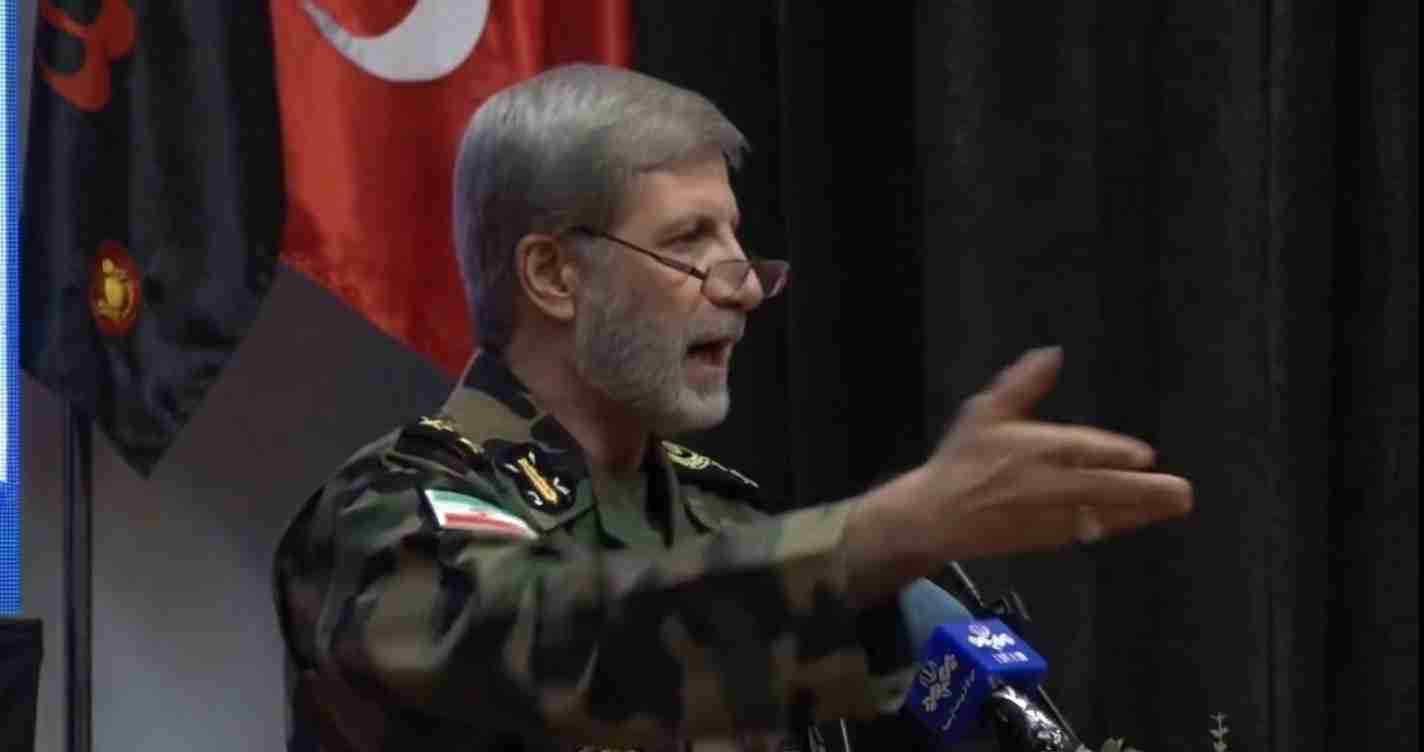
Speaking to students at the Army Command and Staff University in Tehran, Hatami framed escalating foreign statements aimed at Iran as a direct security threat. He argued intensified hostile rhetoric from “enemies” — chiefly the United States and Israel — should be treated as potential precursors to action.
“We will cut off the hand of any aggressor.”
Hatami warned Tehran could strike first if it detected an “indication of threat,” adding any adversary misstep would bring a “more decisive response” than Iran delivered during the June conflict. Analysts note that while the language echoes routine deterrent rhetoric, the notable elements are the claimed increase in readiness and the political will to act preemptively (Euronews; Military.com; PressTV).
Trump Iran warning and the trigger for escalation
President Trump publicly warned the U.S. was “locked and loaded” and said Washington would act if Tehran ordered lethal crackdowns on protesters. Iranian officials framed that language as a threat to national sovereignty and an invitation to foreign intervention, and Hatami’s remarks were cast explicitly as a reaction to those comments (Euronews; CGTN; Military.com).
Background — June 12‑day conflict and military posture
Iran’s recent military posture reflects lessons from last year’s 12‑day conflict with Israel and the United States. Multiple outlets report that Israeli strikes during that period killed senior Iranian commanders and nuclear scientists, and that the U.S. struck facilities at Natanz and Fordow. Iran says it responded with missile and drone salvos and halted the conflict after successful retaliatory operations (Euronews; PressTV).
Leadership change: Hatami became commander-in-chief of the regular army (Artesh) after several top commanders were killed in that war — the first career regular-army officer in decades to hold a post often dominated by the IRGC (Euronews; Military.com).
Domestic unrest, economic drivers and Tehran’s narrative
Iran has seen weeks of widespread protests driven by severe economic pain: the rial has plunged and basic goods are far more expensive. Shopkeepers and others hurt by inflation have joined rallies that at times turned violent. Reports indicate tens of protesters have died and more than a thousand have been arrested (Euronews; The New Region).
Iranian officials, including Hatami and Supreme Leader Ayatollah Ali Khamenei, have characterized the unrest as exploited by foreign enemies, arguing sanctions, covert action and hostile rhetoric are meant to destabilize the regime. Tehran has offered limited subsidies while warning against what it calls “riots” and foreign meddling (PressTV; CGTN).
Risk of escalation and international stakes
Hatami’s threat raises real risks. Declaring the possibility of preemptive action lowers the threshold for military engagement and complicates diplomatic signaling. If Tehran treats external words or limited steps as an “indication of threat,” local incidents could rapidly spiral into wider clashes, challenging U.S. and allied planners (Military.com; Euronews).
Implications for Utah
- Economic impact: A sharp escalation in the Middle East often pushes global oil prices higher. Higher fuel costs ripple into transportation and goods, increasing inflation pressures in Utah — where many commute long distances. Utah families and small businesses could feel the sting at the pump and on grocery bills if tensions spike and energy markets react.
- National security and military ties: Utah hosts significant defense infrastructure and personnel, including major U.S. air and space installations and a large veteran community. Increased tensions can mean higher operational tempo, more deployments for service members with Utah ties, and shifts in mission priorities at regional bases.
- Political consequences: Utah’s conservative electorate typically supports a strong national defense. Hatami’s warning and Trump’s comments will likely intensify calls from Utah lawmakers and conservative groups for clear deterrence, robust intelligence, and protection for American citizens and regional allies.
- Social effects: Communities with Iranian‑American or broader Middle Eastern ties may face increased anxiety or backlash. Veterans and military families could experience renewed stress if relatives are deployed or if the state mobilizes support services.
- Cultural relevance and practical effects: Utah business leaders and officials will monitor energy and trade impacts. Practical responses could include travel-advisory updates, consular or humanitarian planning, and emergency-preparedness measures should tensions disrupt supply chains or threaten citizens abroad.
Sources for reporting and background
- Euronews reporting on Hatami’s warning and Trump’s comments
- Military.com coverage of Hatami’s statements and readiness claims
- CGTN account of Hatami’s remarks and Iran’s framing of protests
- PressTV report quoting Hatami’s language about decisive response
- NDTV video and reporting on accusations of foreign meddling and protest dynamics
- The New Region overview of domestic unrest and government response
Reporting compiled from Times Media Service aggregation of international reporting and official Iranian statements.