EU designates IRGC terrorist as bloc adopts fresh Iran Revolutionary Guard sanctions in Brussels IRGC decision
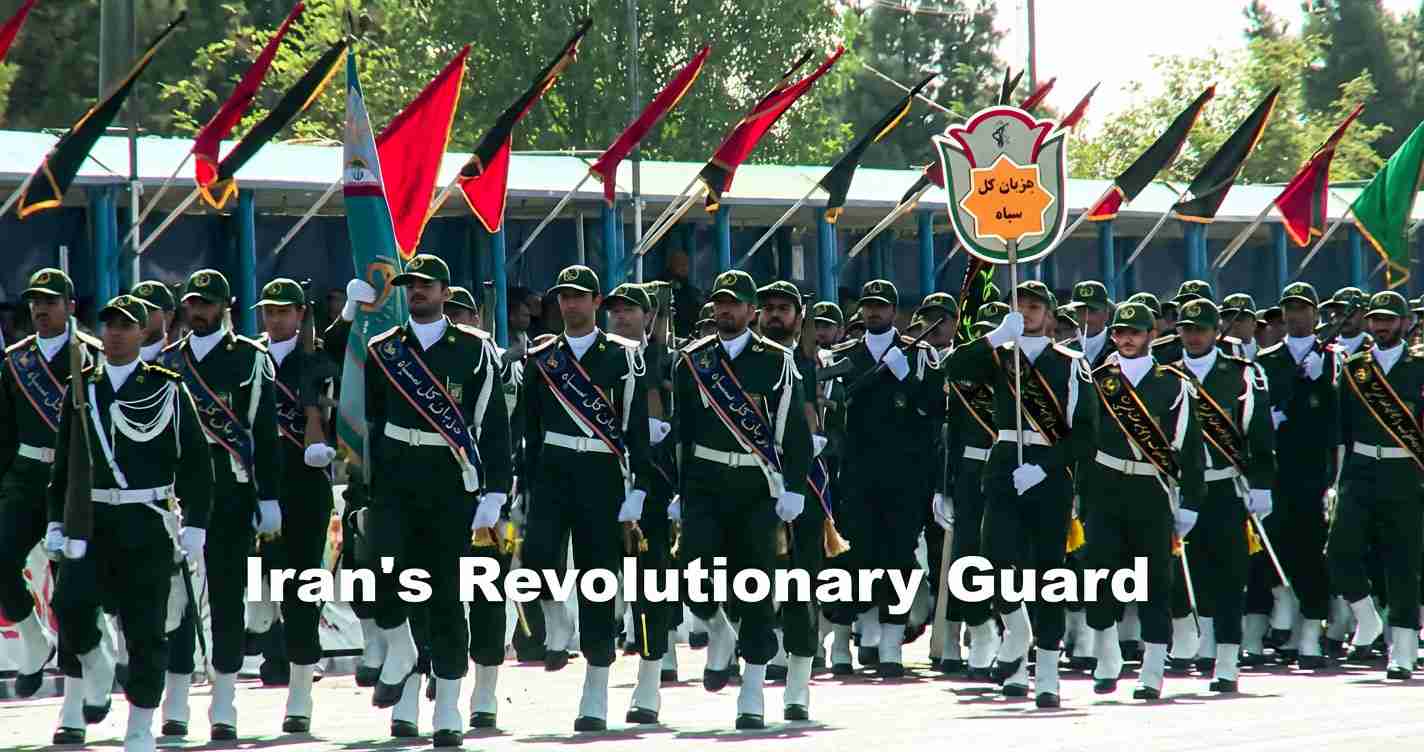
The European Union on Jan. 29, 2026, agreed in Brussels to designate Iran’s Islamic Revolutionary Guard Corps as a terrorist organization, winning unanimous backing from 27 states and unveiling new sanctions against officials tied to recent crackdowns.
Key takeaways
- Political agreement reached Jan. 29, 2026 to list the IRGC; formal legal adoption is expected in the coming weeks — see Foundation for Defense of Democracies analysis and Le Monde reporting.
- Sanctions package expands listings and targets officials, judiciary and security personnel tied to the violent protests and Tehran’s regional military support.
- Unanimous EU backing came after late shifts by France, Italy, Spain and Romania; Germany pledged to make the decision legally binding promptly.
- Local implications include potential effects on Utah’s economy, security posture and civil-society responses in the state.
Main content
Key information
Political agreement: EU foreign ministers reached a political agreement on Jan. 29 to add the IRGC to the bloc’s list of terrorist organizations. The move criminalizes IRGC membership and support across the EU and enables asset freezes, travel bans and stepped-up police and judicial cooperation.
- The package includes new Iran Revolutionary Guard sanctions and measures targeting Iranian officials, judiciary and security personnel tied to the violent crackdown on protests since Dec. 28, 2025 — see FDD analysis and Le Monde report.
- Measures reference Tehran’s military support for Russia and expand lists that already include more than 230 individuals and 40 entities.
What the EU decided and why
EU foreign ministers agreed to add the IRGC to the bloc’s list of terrorist organizations, a move designed to criminalize membership and material support throughout EU territory. That allows member states to freeze assets, impose travel bans and increase operational cooperation against IRGC-linked activity in Europe.
Motivation: Leaders cited the IRGC’s central role in domestic repression and backing regional proxies. The designation aims to limit the IRGC’s ability to operate abroad and to signal solidarity with protesters inside Iran. European Commission President Ursula von der Leyen welcomed the package on X, calling the designation “long overdue” and condemning the “murderous Iranian regime.”
Unanimity: how the bloc got there
The path to unanimity followed days of quiet diplomacy. Several EU members had been reluctant to adopt a formal terrorist listing while preserving channels for nuclear and diplomatic engagement with Tehran. In the final days before the Foreign Affairs Council, France, Italy, Spain and Romania shifted to support the measure.
Italy moved first on Jan. 26, Spain on Jan. 28, and Romania dropped the last holdout stance the evening of Jan. 28, clearing the way for the unanimous vote. Germany, the Netherlands and Sweden had pushed hardest for the decision.
Sanctions and scope
The Brussels IRGC decision came with an expanded sanctions package aimed at:
- Officials and judges tied to the crackdown on protests;
- IRGC commanders and personnel involved in repression and overseas operations;
- Entities and companies controlled by or financing the IRGC;
- Measures addressing Tehran’s support for Russia’s military efforts.
These listings add to an existing set of sanctions that already targeted around 230 individuals and 40 entities; the EU said the measures aim to tighten controls on finance, travel and logistics that fuel the IRGC’s actions at home and abroad.
Context: the crackdown inside Iran
The decision follows weeks of unrest after protests erupted on Dec. 28, 2025. European officials and analysts report that security services, including IRGC-linked units, used mass arrests, targeted killings and internet shutdowns to suppress dissent. Some reports cite extremely high civilian death tolls, intensifying pressure on the EU to act.
Reactions from European leaders and experts
Kaja Kallas: “Repression cannot go unanswered… Any regime that kills thousands of its own people is working toward its own demise.”
France’s foreign minister decried the “unbearable repression” of peaceful protesters and vowed sanctions against those responsible. Policy analysts welcomed the move but urged concrete follow-through. The Foundation for Defense of Democracies called the decision “welcome” and urged partners to match the EU’s steps.
The World Jewish Congress said the listing recognizes the IRGC’s role in state-sponsored terrorism and highlighted the practical effects — asset freezes, travel bans and stronger police cooperation. Other experts noted the designation is a strong political signal but may have limited immediate effect on Tehran’s behavior, urging complementary measures such as funding internet access and backing human-rights groups.
Tehran’s response and wider diplomatic ripples
Iran condemned the move as unjust, defending the IRGC as a legitimate counterterror force and warning of diplomatic retaliation. The EU action also pressures other Western governments: the UK signaled plans to bring forward legislation to outlaw the IRGC, a step made more likely by the EU decision, though Westminster said any law would not be fast-tracked.
For ongoing live reporting and Tehran’s immediate reaction, see the Iran International live blog.
Implications for Utah
Economic and trade ties: Utah has limited direct trade with Iran, so immediate economic impacts should be minimal. However, national tensions can influence global oil prices and supply chains, potentially raising fuel and heating costs for Utahns and affecting businesses reliant on national transport networks.
Security and regional posture: Utah’s military and veteran community and conservative electorate are likely to view the EU move as validation for firm action; this could strengthen support for U.S. alignment with European partners and continued sanctions enforcement.
Local politics and voters: State lawmakers and conservative leaders in Utah may cite the Brussels decision as validation for calls to press for stronger measures and continued enforcement at the federal level.
Humanitarian and community impact: Utah’s immigrant and refugee communities include Iranians; nonprofits and faith-based groups may see increased demand for services if repression prompts more people to flee, and may seek federal or private grants for support programs.
Law enforcement and legal effects: The EU decision criminalizes IRGC support in member states. While U.S. law already designates the IRGC as a terrorist organization, the Brussels move may spur cross-border investigations involving U.S. agencies; Utah law enforcement coordinating with federal partners could see related cases.
Public opinion and civic engagement: For many Utah conservatives the decision reinforces arguments for aligning with allies to confront regimes that threaten Western interests and values; civic groups may increase advocacy for human-rights funding and sanctuary for survivors.
Sources and further reading
- Foundation for Defense of Democracies analysis
- Le Monde reporting on the EU decision and member-state dynamics
- World Jewish Congress statement welcoming the listing
- Iran International live blog reporting Tehran’s response
End of report — substantive coverage of the EU designation of the IRGC, the Iran Revolutionary Guard sanctions package, and the Brussels decision, with regional implications for Utah. All original facts and URLs preserved above.