Putin Declares Development of Russia’s Nuclear Triad an “Absolute Priority,” Signaling Accelerated Weapons Push Amid Ukraine War
On Feb. 23, 2026, President Vladimir Putin declared development of Russia’s nuclear triad an ‘absolute priority,’ saying it guarantees national security, strategic deterrence and global balance as tensions persist over the Russia-Ukraine war.
Key takeaways
- Triad prioritized: Putin said strengthening land-, sea- and air-based nuclear delivery systems is essential to preserve a credible second-strike capability and global balance.
- Arms push accelerates: Moscow plans faster development of advanced weapons and higher combat readiness across services, citing combat experience from Ukraine.
- Treaty context: Russia suspended participation in New START in Feb. 2023, removing the last major U.S.-Russia nuclear arms control implementation framework.
- Regional implications: Kyiv and Western analysts warn this signals escalation and could prompt renewed NATO and U.S. policy responses.
Putin’s speech and the nuclear triad
In a televised address on Defender of the Father of the Nation Day, Putin framed the nuclear triad as the backbone of Russian national security, saying sustained development “guarantees Russia’s security and ensures effective strategic deterrence and a balance of forces in the world.” The Kremlin published excerpts and a full transcript — see the Kremlin transcript for the complete remarks.
The nuclear triad — land-based intercontinental ballistic missiles (ICBMs), submarine-launched ballistic missiles (SLBMs), and strategic long-range bombers — is designed to preserve a credible second-strike capability. Putin tied the triad directly to deterrence and Moscow’s view of its role in global power balances, stressing both nuclear and conventional upgrades.
Conventional forces and combat experience
Putin told officers receiving state awards that Russia will accelerate development of advanced systems and significantly increase combat readiness across all service branches, drawing on “combat experience” from the Ukraine war. Reports cite the same remarks in coverage by other outlets — for example, see Fox News and China Daily.
Context: New START suspension and Russia’s arsenal
Moscow suspended participation in the New START treaty in February 2023, pausing limits and on-site verification between the U.S. and Russia and raising concerns about unchecked nuclear modernization. Russian officials have said they will act “responsibly,” but analysts warn the pause complicates arms-control transparency and risk reduction.
Russia retains one of the world’s largest arsenals and has tested hypersonic systems, introduced new weapons like the Oreshnik, and moved tactical nuclear assets closer to NATO borders, including deployments in Belarus — moves experts say can increase tensions and complicate deterrence calculations (see analysis linked below).
Reactions and regional analysis
Western analysts view Putin’s speech as a signal of escalation in Moscow’s defense posture, part of broader efforts to modernize and expand nuclear and conventional capabilities while the war in Ukraine continues. The address coincided with the fifth anniversary of the full-scale invasion on Feb. 24, 2022.
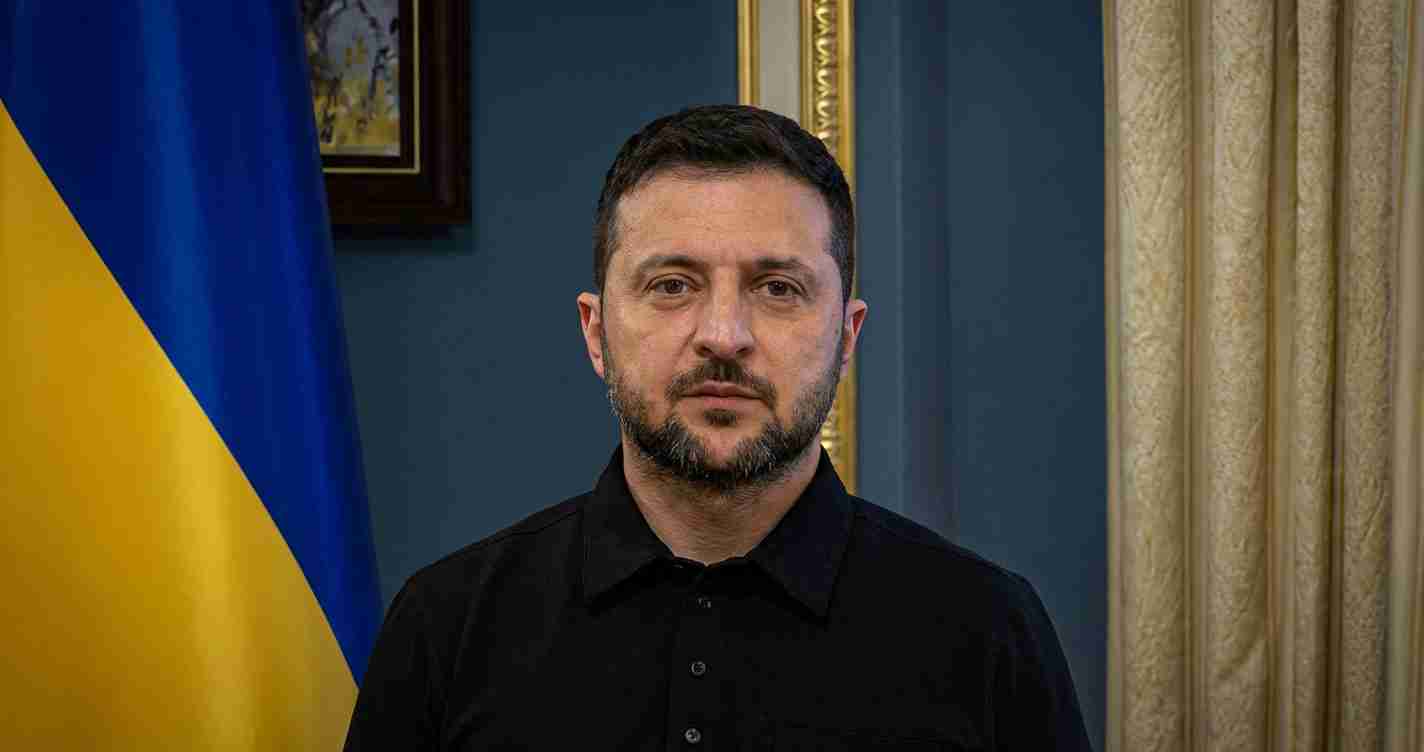
“I believe that Putin has already started it. The question is how much territory he will be able to seize and how to stop him… Putin will not stop at Ukraine,”
— Ukrainian President Volodymyr Zelenskyy (reported by media)
How analysts view the move
Experts note that public declarations about nuclear programs perform dual roles: domestic signal to bolster political support and military morale, and international signal to deter adversaries. However, analysts caution that heightened rhetoric and weapons testing raise the risk of miscalculation and increase pressure on NATO and U.S. policymakers to respond.
Implications for Utah, United States
Economic impact: A renewed Russian emphasis on advanced weapons could push federal priorities toward defense budgets for nuclear modernization, missile defense, and force readiness — potentially benefiting Utah firms and installations such as Hill Air Force Base near Ogden through sustainment, logistics and contracts.
Political consequences: Utah’s congressional delegation is likely to back measures strengthening U.S. deterrence and allied support. State leaders may press for enhanced veteran services, federal projects and stronger ties to defense programs.
Social effects and preparedness: Rising tensions may heighten concern among veterans and military families in Utah, increasing demand for mental health and veteran services. Local emergency planners and civic groups could see more interest in community preparedness and civil-defense information.
Civic and cultural relevance: For many Utah communities, emphasis on robust deterrence resonates with patriotic and security values; faith and civic organizations may engage in discussions and support initiatives for military families and related policies.
Practical applications for residents
- Local economy: Workers in defense contracting, aviation maintenance and logistics may see increased demand if federal spending rises.
- Public awareness: Most Utah residents should monitor official guidance from federal and state agencies — immediate effects will likely be economic and political rather than direct security threats at home.
- Elections and civic action: Heightened national-security concerns can influence voter priorities and mobilize civic groups to press elected officials on deterrence, NATO support, and sanctions policy.
Sources and further reading
- Kremlin transcript of Putin’s address
- Fox News coverage and Zelenskyy quotes
- China Daily report
- Anadolu Agency coverage
- Xinhua report
- WION video analysis on Russia’s arsenal and deployments
- Kyiv Post coverage
Reporting by Times Media Service. Sources cited above.