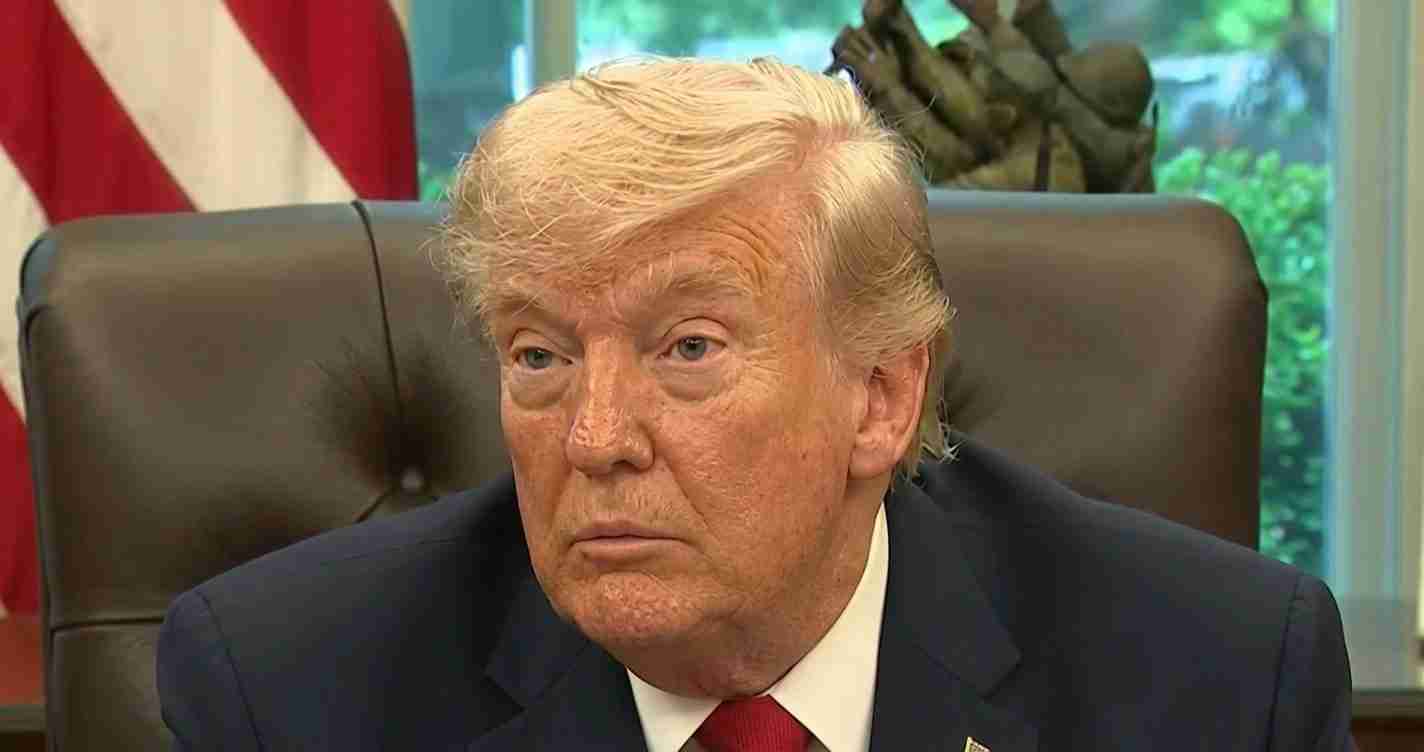
Trump Announces Three-Day Russia‑Ukraine Ceasefire, 1,000‑for‑1,000 Prisoner Swap Ahead of Victory Day
WASHINGTON (Times Media Service) — President Donald Trump announced a three-day mutual ceasefire between Russia and Ukraine from May 9–11, 2026, including a 1,000-for-1,000 prisoner swap, brokered after talks with Vladimir Putin and Volodymyr Zelenskyy and publicized via Truth Social on May 8.
Key takeaways
- Three-day ceasefire: Mutual suspension of kinetic military activity from May 9–11, 2026, tied to Russia’s Victory Day.
- Large prisoner exchange: A 1,000-for-1,000 swap agreed by both sides and mediated by the United States.
- U.S. mediation: President Trump credited as broker after calls with Putin and Zelenskyy; public statements posted on social platforms.
- Operational uncertainty: Exact exchange logistics, verification procedures and monitoring details were not released publicly as of May 9.
Overview and immediate developments
Announcement and timing: President Trump posted the arrangement on Truth Social on May 8, saying the pause would be observed for Russia’s Victory Day and noting shared historical commemoration in Ukraine. He described the deal as including “a suspension of all kinetic activity” and a coordinated, large-scale prisoner swap.
Confirmation from Kyiv and Moscow: Ukrainian President Volodymyr Zelenskyy confirmed the terms on X, thanking U.S. mediation and saying Kyiv had received Russia’s agreement to the 1,000-for-1,000 exchange and the three-day ceasefire. The Russian Defense Ministry reported Moscow ceased combat operations at midnight and said forces would hold at “previously occupied lines and positions,” while state media warned of retaliatory measures if violations occur.
From Trump (Truth Social): He framed the pause as potentially “the beginning of the end” of the war and praised both leaders for agreeing. Trump credited direct U.S. intervention on diplomacy.
Background: Victory Day, previous pauses and distrust
Victory Day on May 9 commemorates the Soviet 1945 victory over Nazi Germany and is a high-profile national holiday in Russia. This year’s celebrations were scaled back — Moscow’s Red Square parade will not display heavy equipment for the first time in decades — amid security constraints and the ongoing conflict.
The ceasefire follows a history of short-lived or partial pauses. Past arrangements have included unilateral Russian proposals tied to holidays and Ukrainian offers for temporary halts to enable humanitarian actions. Mutual distrust and repeated accusations of violations have complicated enforcement and verification on the ground.
Terms and mechanics of the prisoner swap
Format: Officials from the U.S., Ukraine and Russia described the exchange as a 1,000-for-1,000 swap. Kyiv said its teams would prepare immediately and requested U.S. assistance to ensure Moscow’s compliance.
Operational details not public: Exact exchange locations, verification procedures, transport timelines and medical checks were not released on May 9. Historically, similar swaps required neutral observers, verified lists and logistical coordination; such safeguards are likely necessary here to prevent last-minute disruption.
Statements from leaders and officials
- Donald Trump (Truth Social): Announced the ceasefire and swap, credited U.S. mediation and called the pause a possible turning point.
- Volodymyr Zelenskyy (X): Confirmed the 1,000-for-1,000 exchange, thanked the U.S., and ordered Kyiv teams to prepare.
- Russian Defense Ministry (TASS): Reported cessation of combat at midnight and warned of countermeasures in case of violations.
Regional conflict status and risks
Entering its fourth year since the February 2022 invasion, the conflict has settled into attrition. Ukraine’s long-range strikes and drone usage have at times increased cross-border risk. Military analysts warn that compliance across thousands of frontline troops is hard to guarantee; rogue units, miscommunication or deliberate violations could undermine the pause.
Monitoring is critical: Neutral observers and monitoring groups will be essential to verify adherence over the three days; Russia’s confirmation of holding positions at midnight on May 9 is an early sign but not definitive proof of sustained compliance.
Diplomatic implications and U.S. role
The agreement highlights an active U.S. diplomatic intervention. Zelenskyy publicly thanked Trump and asked the United States to help ensure Moscow honors the pact. Open questions remain about how Washington will monitor compliance, whether it will provide observers, and what leverage it will use in case of violations.
Political stakes: For President Trump, the pause is a notable diplomatic achievement tied to campaign messaging about ending the war quickly. For Ukraine and Russia, the pause provides a humanitarian pause and a trust test rather than a path to a permanent settlement without follow-up negotiations.
Sources and coverage
This report draws on public statements and international coverage. Primary items include Trump’s Truth Social announcement, Volodymyr Zelenskyy’s post on X, and reporting by Reuters, BBC, Associated Press (AP), TASS and CNN. Readers should consult these sources for live updates; operational details were evolving as of May 9, 2026.
Implications for Utah
Economic and humanitarian ties
Utah businesses in defense, aerospace and tech track Eastern European stability closely. A temporary de-escalation that reduces market uncertainty could modestly ease commodity volatility affecting energy and agriculture. For Utah suppliers in defense chains, lowered escalation risk may stabilize contracting timelines.
Utah’s veteran and faith-based communities are active in humanitarian assistance. A large prisoner swap and temporary pause could accelerate nonprofit and community efforts to coordinate aid, possible resettlement support, and services for freed or displaced Ukrainians.
Political and strategic considerations
Utah’s conservative audience values strong national security. The U.S.-brokered deal may be viewed as a demonstration of American influence and decisive leadership. Local lawmakers supportive of Ukraine will likely press for verification mechanisms and sustained U.S. support, including intelligence and materiel if needed after the pause.
Community and practical impacts
Utah’s Ukrainian and Eastern European communities will follow developments closely; churches and cultural groups may hold information sessions. Short-term market reactions could slightly affect gasoline and heating costs for Utah residents. State defense assets, including National Guard units, could be mobilized for logistics or humanitarian support if federal requests arise.
Reporting note
This story was compiled from public statements by the White House, the Ukrainian presidency, the Russian Defense Ministry, and coverage by Reuters, BBC, AP and CNN. Monitoring of battlefield reports and official confirmations continued as of May 9, 2026.