Pirro says international ring used Autel device to steal cars in under 60 seconds in DC international car theft case
U.S. Attorney Jeanine Pirro announced a 15-count federal indictment April 22, 2026, alleging an international ring used commercial Autel diagnostic devices to reprogram cars and pair blank key fobs, stealing over 100 vehicles in the D.C. area to ship overseas.
- 15-count federal indictment: Charges allege suspects used an Autel device to reprogram vehicle computers and pair blank key fobs.
- International export scheme: Stolen cars were altered, moved to “cooling off” locations, containerized at ports and shipped overseas, often labeled as “furniture.”
- Roughly 100 vehicles linked: Named defendants include Jacob Hernandez, David Coby, Dustin Wetzel, Chance Clark and James Young; investigators seek about 100 more vehicles.
- Public safety and prevention: Officials urge steering-wheel locks, signal-blocking pouches and enhanced tracking to counter the new world of car theft.
Indictment and suspects
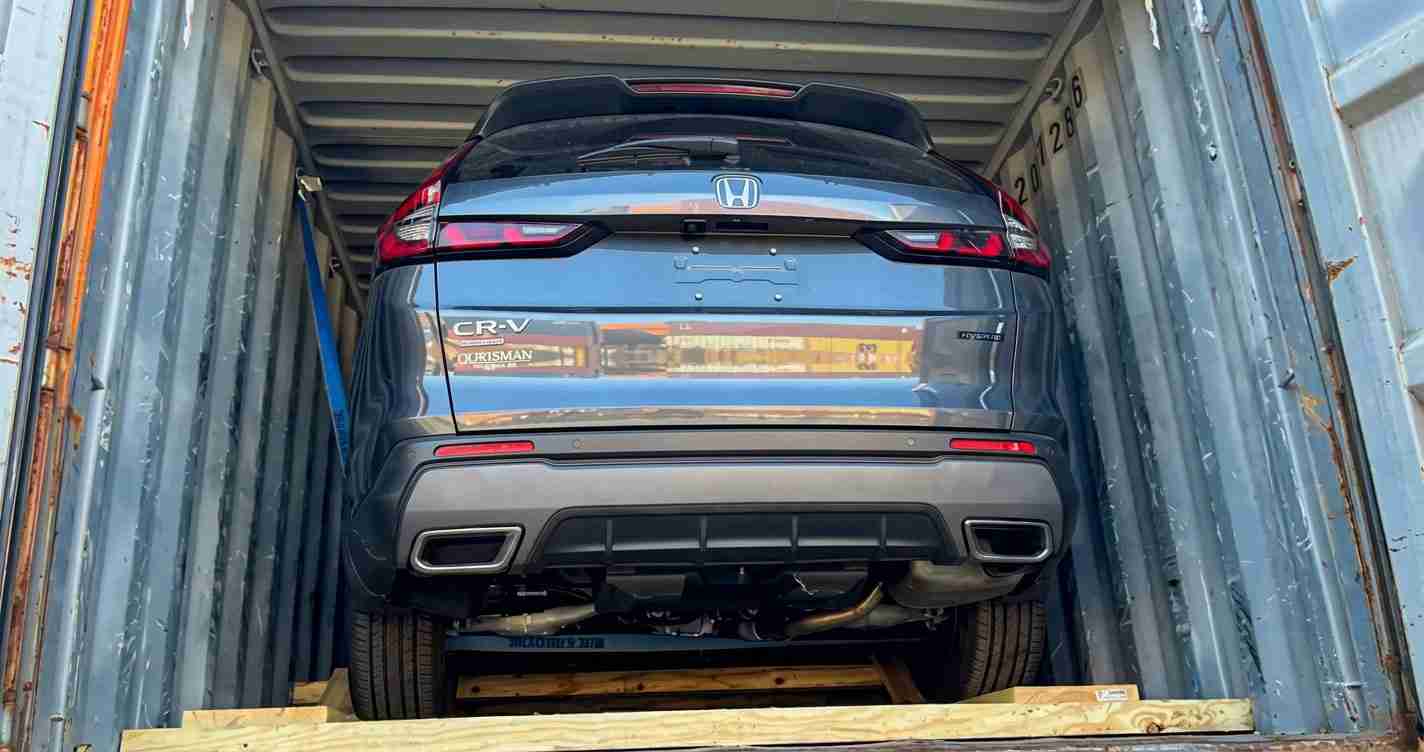
The 15-count indictment announced April 22, 2026, charges a group with conspiracy, possession and transportation of stolen vehicles. Prosecutors allege the ring targeted high-value cars — primarily Hondas — and moved them through a chain of transport and export. Named defendants include Jacob Hernandez, David Coby, Dustin Wetzel, Chance Clark and James Young, and authorities say roughly 100 additional vehicles are being pursued in the probe.
How the thefts allegedly worked
U.S. Attorney Jeanine Pirro described a fast, quiet method using a commercial diagnostic tool made by Autel to access and recalibrate a vehicle’s electronic control unit — the car’s “brain” — and to program a blank key fob. Pirro said the device allows thieves to gain entry without breaking windows, swiping keys or hot-wiring, often in less than 60 seconds: “Bang, less than 60 seconds, the car is gone.”
Investigators say the devices, sold commercially for diagnostics and repair, were repurposed to rewrite software settings and pair blank fobs to internal systems. The scheme turned ordinary diagnostic tools into instruments for organized theft.
Post-theft steps to avoid detection
According to the indictment and Pirro’s briefing, suspects took deliberate steps to evade recovery: disabling GPS and Bluetooth trackers, moving vehicles to “cooling off zones” (Pirro named locations including a Marriott hotel parking garage and areas near the D.C. Navy Yard), swapping license plates and VINs, then routing cars to ports.
The indictment states vehicles were containerized at ports in Savannah and Baltimore, misdeclared and shipped overseas — often labeled as “furniture” — to markets in Africa where demand and profit margins are high.
Law enforcement response and public advice
Pirro announced the charges at a Justice Department press event joined by D.C. Mayor Muriel Bowser, Metro Police Interim Chief Jeffery Carroll and FBI representatives, highlighting multi-agency cooperation. Officials emphasized this as an example of old crimes committed in new ways, exploiting diagnostic tools and shipping loopholes.
Public recommendations:
- Use physical deterrents such as steering-wheel locks and immobilizers.
- Store keys in signal-blocking pouches and consider aftermarket tracking that is difficult to disable.
- Dealers should review inventory security and consider tamper-resistant VIN plates.
Implications for Utah
While this indictment centers on the East Coast, the case has clear relevance for Utah. Hondas and other fuel-efficient, high-demand models common in Utah could become targets if organized rings expand operations. Economic and insurance impacts could include higher claims and premiums if thefts spread.
Political and social context: For conservative Utah readers, the case underscores calls for robust federal customs enforcement and stronger penalties for export-driven theft rings, plus local measures like increased patrols and improved lighting at parking facilities.
Practical steps for Utah residents and lawmakers include reviewing state statutes to address technology-enabled export schemes, encouraging personal responsibility for vehicle security, and promoting coordination among federal, state and local law enforcement.
Reporting and sources
This article preserves original facts and reporting from the April 22, 2026 indictment announcement and subsequent coverage. Key sources and links used in reporting:
- Fox News — Pirro reveals high-tech car thieves rewrite vehicle “brain”
- Fox News — Pirro warns car theft ring used new tech, vehicles gone in 60 seconds
- Noticias Fox — Spanish-language coverage of Pirro’s briefing
- WJLA — Local reporting on the Autel car-theft ring bust and federal charges
- YouTube — Justice Department press event (full clip)
- YouTube Shorts — excerpt of Pirro’s remarks
- 13WHAM — regional reporting on the indictment and export claims
- YouTube — additional press footage
- Fox News Video — related broadcast segment
Contact for follow-up
For inquiries or follow-up reporting on local impacts in Utah, contact the Times Media Service desk handling national security and organized crime coverage.