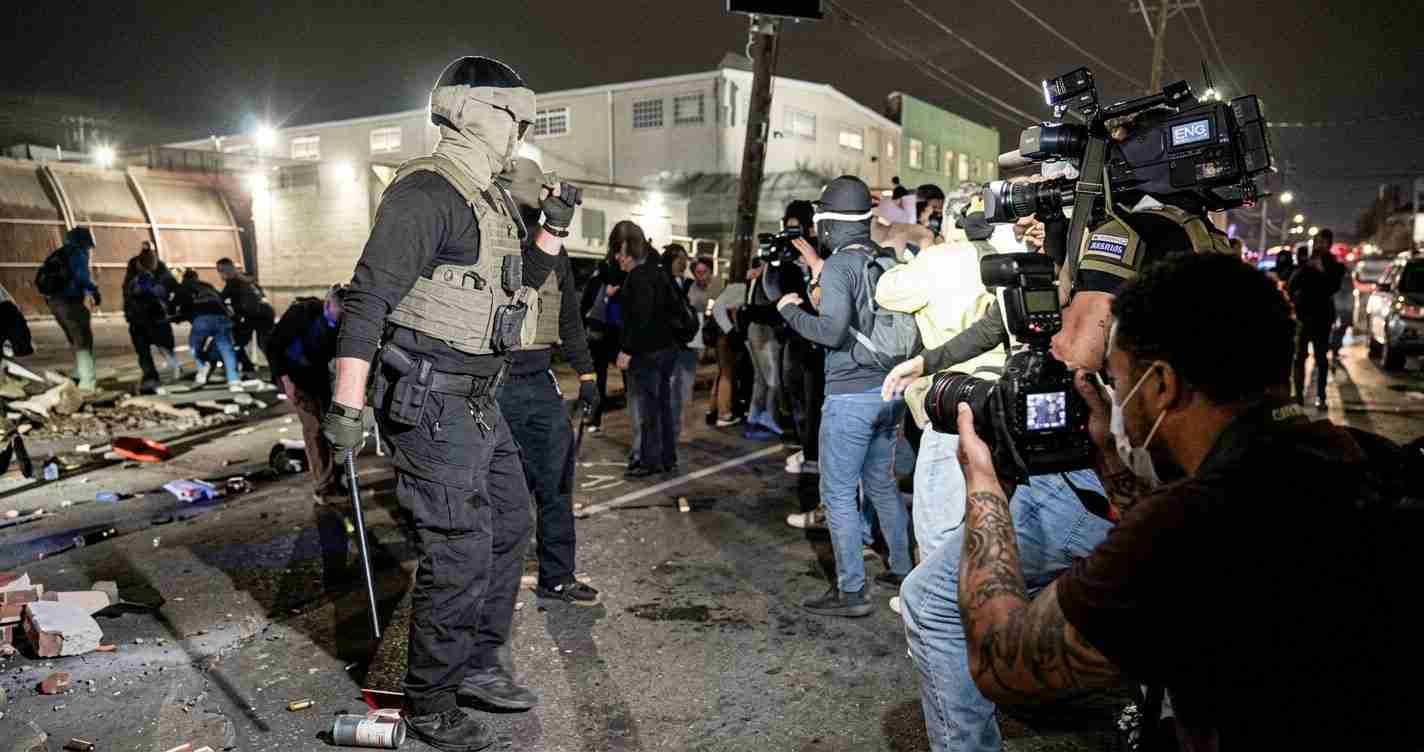
Tensions Flare Again at Delaney Hall as Protesters Clash with ICE; Baraka’s Role and Local Response Under Scrutiny
Protests at Newark’s Delaney Hall ICE detention center have intensified amid allegations of inhumane conditions; Mayor Ras Baraka’s arrest and later dismissal of federal charges spotlight local opposition to the GEO Group and national debates over immigration detention.
- Delaney Hall is a roughly 1,000‑bed ICE facility run by the GEO Group; it has been the focus of repeated protests and congressional scrutiny.
- Mayor Ras Baraka was arrested May 9, 2025, on federal trespassing charges tied to a congressional visit; the charges were later dismissed.
- Official accounts diverge: Congressional visitors and advocates reported tainted food and delayed medical care; ICE and DHS dispute those claims and cite assaults on federal officers.
- Local implications: The controversy informs litigation with GEO Group and offers lessons for other jurisdictions, including Utah, about oversight of private detention contracts.
Key developments
Delaney Hall’s role: The facility — operated by the GEO Group and housing roughly 1,000 beds — has been the scene of repeated protests over conditions and treatment of detainees (see WHYY reporting, Wikipedia summary).
Congressional inspection: Democratic members of Congress who visited described dire conditions — including reports of tainted food and delayed medical care — while ICE and DHS deny those claims (see WHYY reporting, video coverage).
Baraka’s arrest: Mayor Ras Baraka was arrested outside Delaney Hall on May 9, 2025, on federal trespassing charges related to attempts to accompany a congressional delegation; prosecutors later dismissed the charges and a federal magistrate criticized the handling of the case (see Wikipedia summary, ACLU of New Jersey statement).
Street confrontations: Protests have included efforts to block ICE vehicle movements and clashes at facility entrances. Accounts differ on who deployed chemical agents and on the scale of violence; DHS says officers were exposed to an unknown chemical, while protesters and advocates report federal use of irritants (see WHYY reporting, video coverage).
What we can verify — facts and official claims
Operator and capacity: The facility is run by the GEO Group and houses roughly 1,000 beds, making it one of the larger ICE detention centers in the region (see WHYY reporting, Wikipedia summary).
Congressional inspection: Members including Reps. Jerrold Nadler and Adriano Espaillat publicly described troubling conditions after a May 2025 inspection, citing issues such as limited food portions and problems obtaining medical care for serious conditions; those lawmakers and immigrant‑rights groups called for investigations (see WHYY reporting).
Federal response: DHS and ICE dispute claims of chronic neglect, saying internal checks found compliance and suggesting some allegations were politically motivated. They also reported federal officers were subjected to assault and exposure to an unknown chemical during confrontations (see video coverage).
Where reporting diverges from dramatic on‑scene accounts
Major outlets confirm repeated protests, traffic disruptions and confrontations with federal officers, but several vivid on‑the‑ground details circulating on social media and partisanship‑tilted outlets cannot be independently corroborated. Unverified elements include claims of a sustained absence of Newark police during late‑night confrontations, protesters organized as “fire police” directing two‑way traffic for hours, and barricades made of mattresses, sandbags and shredded highway bollards across Doremus Avenue (see WHYY reporting, video examples).
Journalistic note: Video shows large crowds and attempts to impede ICE vehicle movements, but levels of police deployment and some described actions remain disputed and should be treated as unverified or partly corroborated.
Legal and policy context
Litigation: Newark has sued GEO Group, arguing the company failed to comply with municipal ordinances when it opened Delaney Hall as an ICE facility. City officials and immigrant‑rights groups contend the arrangement violates New Jersey’s 2021 law limiting new state or local contracts for immigration detention services and that the opening flouted local rules (see Detention Watch Network statement, Newark city statement).
Policy split: The debate frames a choice between enforcement priorities and detainee management on one side and civil‑liberties and public‑health oversight on the other — a split that shapes calls for independent review and sustained oversight (see video coverage, WHYY reporting).
Voices on the ground
- City officials & advocates: Argue the facility operates outside state law and that conditions are unacceptable; they cite congressional testimony and local inspections as evidence for urgent action (see Detention Watch Network statement, WHYY reporting).
- Federal agencies & GEO Group: ICE, DHS and GEO Group reject allegations of systemic neglect and emphasize secure operations; DHS has described assaults on federal officers during confrontations (see video coverage).
- Law enforcement posture: Coverage shows federal officers leading at the gates; local and county roles appear limited or situational, and claims of a complete Newark police absence on some nights lack corroboration in mainstream reporting (see WHYY reporting, Wikipedia summary).
Implications for Utah
Economic and contracting lessons: Although geographically distant, Utah officials and taxpayers should watch federal contracting practices and private‑prison models. The Newark litigation highlights the need for rigorous vetting, oversight, and clear contract compliance checks when private firms operate detention or correctional services (see Newark city statement).
Political consequences: High‑profile arrests and protests can become focal points in national immigration debates and influence public perception across states, including Utah. Debates over enforcement, resources, and the limits of local influence over federal detention policy may resonate with conservative voters concerned about rule of law and border security (see Wikipedia summary).
Social and community effects: Communities considering detention‑related infrastructure should weigh public‑safety impacts, potential for protest, and relations with residents; Delaney Hall shows how such facilities can draw prolonged national attention.
Practical applications for Utah residents
- Review contracts and oversight mechanisms when private firms operate detention or correctional services, ensuring local ordinances and state laws are respected (see Newark city statement).
- Clarify law enforcement roles where federal, state and local jurisdictions overlap to avoid confusion during protests and high‑profile actions (see WHYY reporting).
- Prepare communication plans for civic leaders and community organizers to manage protests and national attention effectively.
Sources and further reading
- WHYY reporting on Delaney Hall protests and congressional visit
- Wikipedia summary of the Newark detention center incidents
- Detention Watch Network statement on Mayor Baraka’s arrest
- ACLU of New Jersey statement
- Newark city statement on litigation with GEO Group
- Video coverage from the scene (example cited in reporting)
Reporting consolidated from available public sources and on‑scene video; some vivid on‑the‑ground details reported in social and partisan outlets could not be independently verified and are identified as such in the story.
Note: Video from the scene shows large crowds and tense encounters, but journalists should treat certain night‑time narratives as unverified where major outlets and official agencies have not confirmed every element.