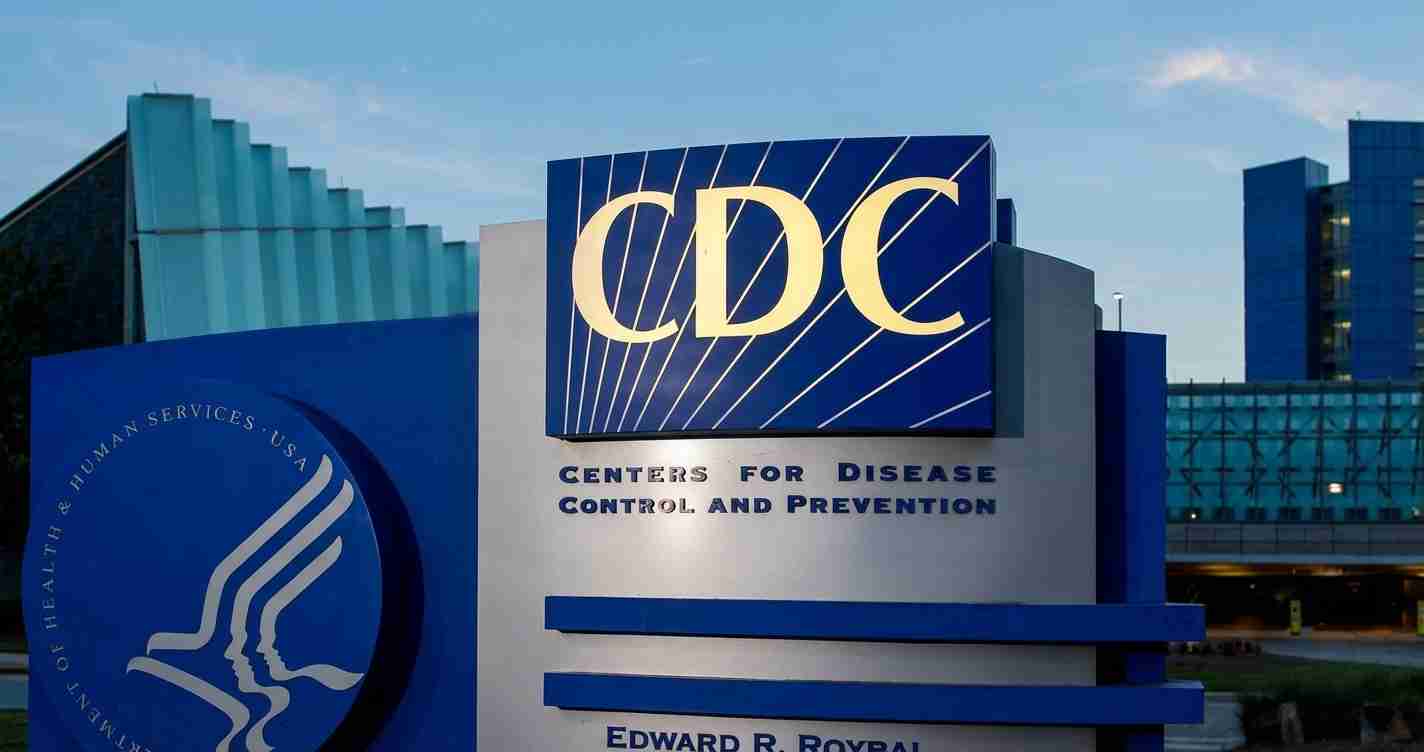
CDC quietly revises vaccine-autism wording, prompting debate and fresh review of evidence
The Centers for Disease Control and Prevention quietly revised its statement on vaccines and autism, shifting from a categorical denial to a more cautious, uncertainty-focused phrasing — a move that has ignited debate and concern about public messaging.
- Agency wording changed: The CDC altered its phrase “vaccines do not cause autism” to reflect technical limits of absolute claims and legal-scientific standards.
- No new causal evidence: Officials say the revision is a technical correction, not the result of newly discovered links between vaccines and autism.
- New review planned: The CDC and HHS will conduct a comprehensive assessment and sponsor additional research to examine any unresolved questions.
- Messaging risk: Critics warn the rewording could be misconstrued and potentially increase vaccine hesitancy despite decades of studies finding no causal link.
Background: how we got here
For decades public health agencies, pediatric centers and major scientific reviews have maintained that routine childhood vaccines do not cause autism. Large epidemiologic studies and expert panels repeatedly found no causal link, reinforcing the public health message that vaccines are safe. The controversy began after a 1998 paper that claimed an MMR–autism connection; that study was later retracted, exposed as fraudulent, and its lead author was stripped of his medical license.
See historical and review summaries from Johns Hopkins Bloomberg School of Public Health, the Children’s Hospital of Philadelphia, the History of Vaccines project and a key PMC review.
What the CDC changed and why
The CDC updated its web page to remove an absolute statement that “vaccines do not cause autism.” Instead the agency explained that asserting a categorical negative with absolute certainty is not supported by available studies, writing that “there are still no studies that support the specific claim that the infant vaccines…do not cause autism.” Agency officials emphasize this is a wording change to meet data-quality and legal standards rather than the discovery of new causal evidence.
The agency statement and plan for further work are detailed on the CDC site: CDC – Vaccines and Autism.
Reactions from the scientific and public health communities
Many scientists and clinicians have pushed back on the CDC’s new language. Critics argue the phrasing — while technically cautious — could be misconstrued by the public and may fuel vaccine hesitancy. Commentators note that saying a universal negative cannot be proven with absolute statistical certainty is true in a narrow sense, but it can misrepresent the weight of decades of high-quality epidemiologic evidence.
“The scientific evidence is clear that routine childhood vaccines do not cause autism,” wrote critics in commentary responding to the CDC revision.
Responses and commentary have appeared in outlets such as AcademyHealth and reporting in Pharmacy Times.
Why scientists say the evidence still supports vaccination
Researchers emphasize that the phrase “not ruled out” is a technical shorthand in science: it signals that an absolute universal negative is hard to prove, not that there is affirmative evidence of harm. The scale, consistency and design of past studies — including cohort studies, case-control analyses and population-level surveillance — provide a strong body of evidence indicating that routine childhood vaccines, including MMR, are not causally linked to autism.
Review sources cited by experts include analyses from Johns Hopkins Bloomberg School of Public Health, the Children’s Hospital of Philadelphia Vaccine Education Center, and peer-reviewed summaries like the PMC article.
What the new assessment will involve
The CDC says it will work with the Department of Health and Human Services on a comprehensive assessment and additional research. Details about timelines, budgets and specific study designs have not been released. Observers expect thorough reviews may include new large cohort studies, improved developmental outcome data collection, and subgroup analyses to evaluate whether rare or specific circumstances merit different conclusions.
The official CDC notice and plan are posted at CDC – Vaccines and Autism.
Vaccine hesitancy concerns and messaging risks
Public health communicators warn mixed messages can increase hesitancy. The long-used reassurance “vaccines do not cause autism” provided a blunt, clear message. Replacing that phrase for technical precision risks undermining confidence among parents already hesitant about vaccines, potentially affecting coverage and outbreak risk for measles, pertussis and other preventable diseases.
Experts urge agencies to pair transparency about uncertainty with careful plain-language context, and for clinicians to emphasize that the balance of high-quality evidence continues to show no causal link between vaccines and autism. See commentary at AcademyHealth and reporting in Pharmacy Times.
Implications for Utah
Public confidence and local vaccination rates
Utah has varied vaccination coverage across counties and districts. Clear CDC messaging matters locally because declining coverage can enable outbreaks. Any rise in hesitancy tied to the CDC wording change could complicate state and county efforts to maintain high immunization rates.
School requirements and parental choice
Utah law allows medical and nonmedical exemptions under defined conditions. If the CDC revision increases parental concern, schools could see more exemption requests — a policy and public-health challenge for administrators and lawmakers.
Political and community response
Conservative communities that emphasize parental decision-making and limited government may scrutinize the federal change. State leaders may demand clear timelines and evidence for the promised assessments while balancing public health priorities and parental rights.
Healthcare providers and rural access
Primary care clinicians and rural clinics play a key role in counseling families. Providers will need straightforward talking points to explain the difference between legalistic precision in wording and the practical safety record shown by decades of studies.
Practical steps for Utah families and officials
Local health departments can distribute plain-language explanations, encourage clinicians to discuss vaccine safety during visits, and publish local data on disease risk and coverage. Lawmakers and school boards can request briefings from state public health leaders to clarify how federal wording changes translate into local practice.
Sources and further reading
- CDC, “Vaccines and Autism”
- Pharmacy Times, “CDC’s autism statement sparks new concerns over vaccine safety messaging”
- AcademyHealth, “Scientific evidence clear: new CDC language on autism and vaccines wrong”
- Johns Hopkins Bloomberg School of Public Health, “Vaccines do not cause autism”
- Children’s Hospital of Philadelphia Vaccine Education Center
- National Center for Biotechnology Information, PMC article
- History of Vaccines, “Do vaccines cause autism?”
- Wikipedia, “MMR vaccine and autism”
Reporting by Times Media Service