Cruise‑ship door decorations spur industry crackdown as lines cite safety, damage and theft
Miami, Florida (Times Media Service) — Cruise lines including Royal Caribbean, Carnival and Disney are tightening rules on stateroom door decorations—magnets, banners and lights—citing fire safety, damage and theft. The change has sparked debate among passengers who value personalization and wayfinding.
Key takeaways
- Major lines are enforcing stricter rules. Royal Caribbean recently issued a broad notice restricting materials on interior surfaces that has driven renewed enforcement attention.
- Passengers value personalization and wayfinding. Door magnets and banners help celebrations, identify cabins and foster social connections onboard.
- Lines cite safety, damage and theft. Fire performance, adhesive damage and theft/pranks are core reasons for limits and clearer guidance.
- Rules vary by line and sailing. Guests are advised to check ship‑specific policies before boarding.
What triggered the latest debate
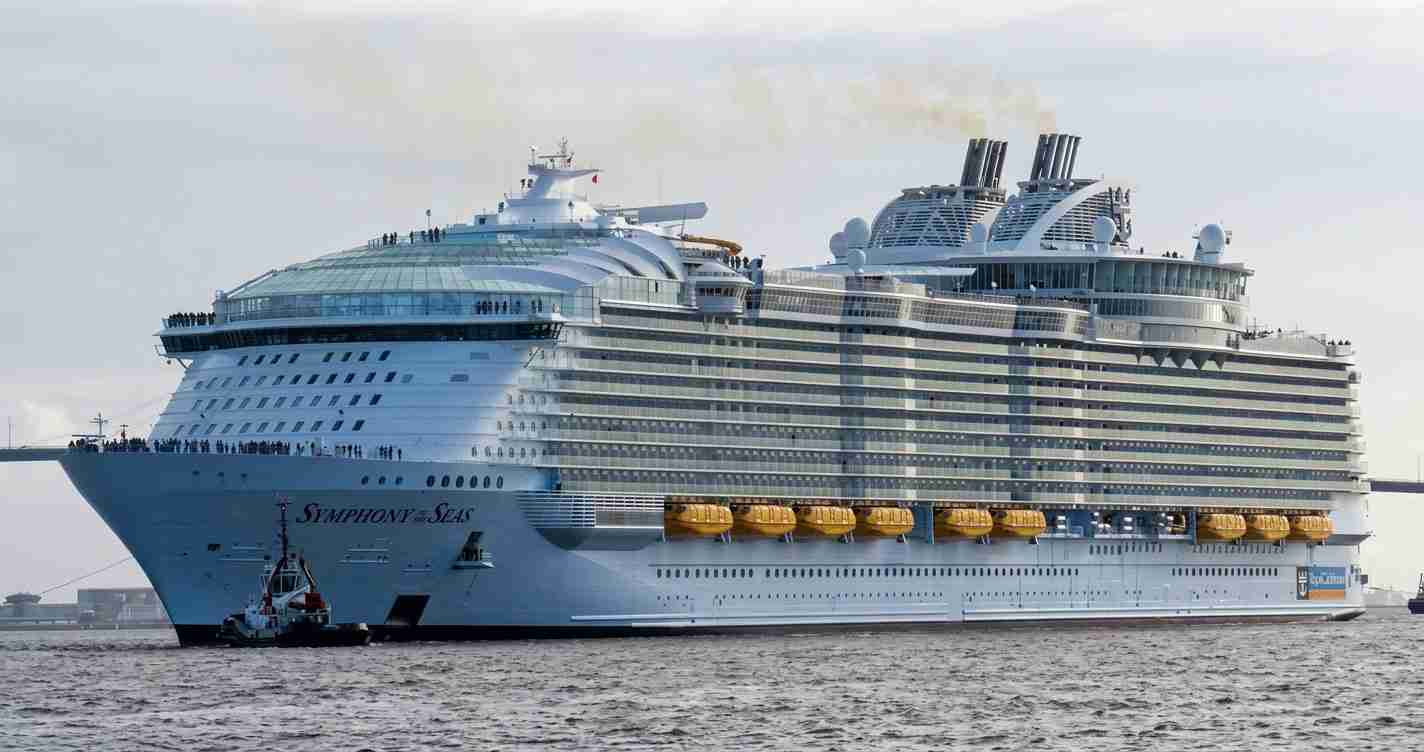
Passengers aboard Royal Caribbean’s Symphony of the Seas received an official notice in recent sailings stating that materials may not be placed “anywhere on the interior of the ship including stateroom doors, along corridors, etc.,” according to reporting by Cruise Hive. The language is broader and more explicit than many guests expect, and frequent cruisers interpret the message as a signal of more consistent enforcement rather than an isolated incident.
“For years magnets, banners and paper signs have been part of cruise culture; now some guests worry the practice could be curtailed across fleets.”
Why passengers decorate doors
For many travelers, decorating a stateroom door is part tradition and part practicality. Common reasons include:
- Personalization and celebration. Families and groups use custom magnets and banners to mark birthdays, anniversaries, honeymoons and first cruises. Retailers now market personalized cruise ship door decorations and stateroom door magnets for a growing customer base.
- Wayfinding. Long, uniform corridors on large ships can make cabins easy to miss; visible magnets or banners help groups, children and returning guests find their door quickly.
- Social connection. Decorated doors can spark hallway conversations, identify meet‑up points and support onboard activities like gift exchanges.
Cruise‑line safety and maintenance concerns
Operators argue that decorations can create real risks and maintenance costs:
- Fire safety and emergency performance. Cabin doors and corridor surfaces are engineered to slow fire and smoke. Added materials — especially flammable items or electrical string lights — could compromise those protections. Carnival and other lines require fire‑retardant materials and ban string lights; see industry reporting for examples.
- Obstruction and visibility. Protruding decorations can snag service carts or obscure cabin numbers and muster instructions.
- Damage from adhesives. Strong tapes, glues or certain removable strips can strip paint or leave residue on painted metal doors; Disney and others specifically warn against tape and gel adhesives that mar finishes.
Theft, vandalism and guest disputes
Beyond safety and damage, lines are responding to behavioral issues tied to door decor:
- Theft. Social posts and blogs document magnets and decorations removed from doors; Cruise Hive reported instances of all magnets being taken on some sailings.
- Pranks and vandalism. Decorations moved, rearranged or defaced have sparked disputes requiring crew intervention.
- Operational friction. When decor provokes complaints, staff must mediate — one reason lines favor clearer, stricter rules.
How policies compare across lines
There is no single industry standard; rules vary by brand, ship and sailing. Common themes include:
- Royal Caribbean. Historically permissive on some ships for flat magnets, the company’s recent Symphony notice signaled a stricter approach for that sailing and raised concerns about fleet‑wide enforcement (reporting).
- Carnival. Public guidance allows decorations only if they meet fire‑safety criteria and bans string lights; adhesives that damage doors are prohibited.
- Disney. Encourages themed fun but warns against adhesives that can mar finishes and lists clear prohibited‑item guidance.
- Other lines. Princess and others commonly permit flat magnets but prohibit tape, staples and protruding items; theft and mischief reports appear across brands.
Practical advice for cruisers
If you plan to decorate, experienced cruisers and operators recommend:
- Check ship‑specific rules before you sail — policies can differ by brand, ship and itinerary.
- Use flat, inexpensive magnets only; avoid tape, glue or Command® strips that can harm finishes.
- Choose fire‑retardant materials and avoid any string or battery lights.
- Keep decorations flush with the door and do not block cabin numbers or safety signage.
- Avoid sentimental or expensive items on doors; photograph decorations or keep backups in luggage in case of theft.
- Be prepared for inconsistent enforcement — what’s accepted one cruise may be removed on another.
Implications for Utah
Though Utah is landlocked, thousands of Utahns cruise each year from West Coast and Gulf ports and will feel the practical effects of policy shifts.
- Economic impact. Utah travel agencies and tour operators that sell cruises — including family and group bookings popular with conservative households — may see customers request clearer guidance before purchases. Retailers selling personalized magnets could see demand shift toward lower‑cost or adhesive‑free options.
- Political and regulatory consequences. Local travel businesses and advocacy groups may press cruise lines for reasonable accommodations that preserve personal expression without undermining safety — for example, magnet‑only corridors or clearer permitting for small, non‑flammable identifiers.
- Social effects. Utah families who cruise for multigenerational celebrations may need to adapt — travel organizers should issue pre‑trip instructions or provide shipboard alternatives like meetup points and group wristbands.
- Practical applications. Utah passengers should contact travel agents or the cruise line before departure and choose low‑cost, flat designs that comply with common guidance; keep sentimental keepsakes in checked luggage.
Conclusion
The cruise‑door debate highlights a broader tension: preserving cherished onboard traditions while accepting rules intended to protect safety and property. The practical path forward for families and groups is simple — plan ahead, follow ship rules and opt for decor that respects both safety and the celebratory spirit of the voyage.