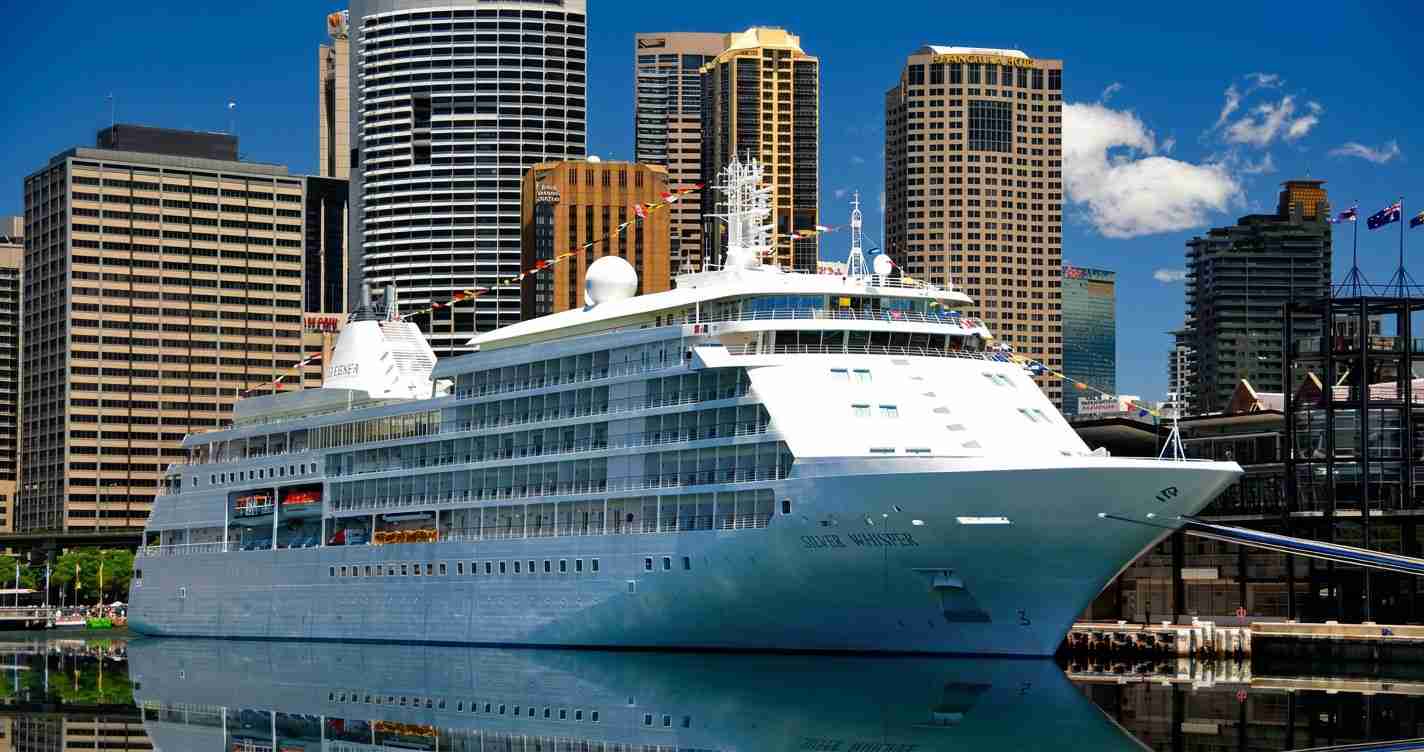
Silver Whisper diverts in rough Pacific seas to rescue injured sailor from dismasted April Alice
On May 26, 2026, the Silversea Cruises ship Silver Whisper diverted amid rough Pacific conditions after a Coast Guard Mayday, sailing roughly seven hours to reach the dismasted sailboat April Alice and bring an injured sailor aboard for medical care.
- Rapid diversion: Captain Michele Macarone Palmieri ordered the Silver Whisper to alter course to assist after a Coast guard Mayday.
- Seven-hour response: Passengers reported the ship took about seven hours to reach the disabled April Alice and roughly an hour to transfer the casualty aboard.
- Injuries and care: The sailor reportedly had a suspected broken shoulder and received treatment onboard; disembarkation was expected in Vancouver.
- Sources: Initial reporting and passenger posts cited by CruiseHive and CruiseMummy.
Overview
On May 26, 2026, the luxury liner Silver Whisper, operated by Silversea Cruises (owned by Royal Caribbean Group), diverted to assist a disabled vessel after a Mayday. Passenger accounts and industry outlets report the sailboat April Alice was dismasted and without power or communications when the U.S. Coast Guard directed nearby surface assistance.
How the rescue unfolded
Passengers aboard the Silver Whisper said the ship was finishing a 24-night, one-way voyage from Papeete, Tahiti, to Vancouver when the Mayday was received. According to reporting by CruiseHive and CruiseMummy, the Coast Guard reportedly determined the disabled boat was too far from Hawaii or the U.S. mainland for an air rescue and coordinated with the ship to render surface assistance.
Search challenges and conditions
Passengers described searching for the vessel as finding “a needle in a haystack,” since exact coordinates were not initially available. They reported high winds, rough seas and a dismasted sailboat missing mast, power and communications. One passenger summed up the effort as a difficult search in adverse conditions.
Passenger accounts and ship operations
Multiple social posts quoted in reporting detailed operational changes during the rescue. One passenger said the ship had to collapse its stabilizers as conditions worsened and that passengers were sent back to cabins as a safety precaution. Another noted a “twist” to the itinerary and the potential for missed flights, but framed the diversion as the correct moral choice:
“we saved people.”
Command and decision-making
CruiseHive identified Captain Michele Macarone Palmieri as the officer who ordered the diversion. The decision reflects established maritime norms: nearby vessels often render assistance when aircraft cannot safely reach a scene or when authorities coordinate surface rescues.
Medical action and disembarkation plans
Reports indicate the sailor suffered a suspected broken left shoulder and was stabilized by the ship’s medical team before being brought aboard. CruiseHive reported the sailor was expected to disembark in Vancouver for further care. Detailed official medical records and a Coast Guard confirmation were not available in the reporting used here.
What remains unconfirmed
Several elements remain based on passenger posts and unverified accounts: claims of an injured crew member, exact coordinates for April Alice, and a formal timeline for handoff to authorities in Vancouver. As of publication, no joint public statement from Silversea Cruises or the U.S. Coast Guard was found in the cited reporting.
About the vessel and operator
The Silver Whisper is a smaller luxury cruise ship marketed for remote and high-end itineraries. Silversea Cruises emphasizes onboard amenities and technical capabilities that can be critical during at-sea emergencies.
Legal and safety context
Under international maritime law, vessels are obliged to assist people in distress when safe and practicable. The U.S. Coast Guard coordinates search-and-rescue in U.S. regions and may direct nearby ships to assist when aircraft cannot safely operate at range—consistent with passenger reports that helicopter rescue was not feasible given distance.
Implications for Utah
Economic and travel impact: Although Utah is landlocked, many residents begin or end long cruises via Vancouver. Diversions like this can cause missed flights and ripple travel disruptions affecting Utah travelers and service partners.
Search-and-rescue policy questions: The incident highlights operational limits to aerial rescues and the importance of maritime coordination. Utah officials and constituents may press for continued investment in regional readiness and clear interagency procedures.
Community response: The dramatic nature of the rescue may resonate with Utah’s active outdoor and retirement communities; many will applaud the lifesaving actions while seeking clarity on accountability and communications.
Practical advice for Utah residents
- Allow extra time between cruise end and flights when traveling internationally.
- Consider travel insurance that covers missed connections and medical evacuations.
- Keep up-to-date emergency contacts for family members on extended voyages.
- Travel agents and airlines should prepare rebooking guidance for customers affected by maritime diversions.
Reporting gaps and recommended follow-up
Key follow-up items include a formal Coast Guard statement on whether it directed the Silver Whisper, exact coordinates and communications logs for April Alice, confirmation of any crew injuries, and an official update on the sailor’s condition post-disembarkation. Journalists and officials should request incident reports from the U.S. Coast Guard and a formal account from Silversea Cruises.
Sources and attribution
This article draws on passenger posts and coverage by industry outlets. Primary sources cited in reporting include: CruiseHive and CruiseMummy. Additional context about the operator is available from the Silversea Cruises official site.
All facts and URLs preserved from the source reporting cited above.