DoorDash Grandma Delivers McDonald’s to Trump as No-Tax-on-Tips Policy Hits One Year
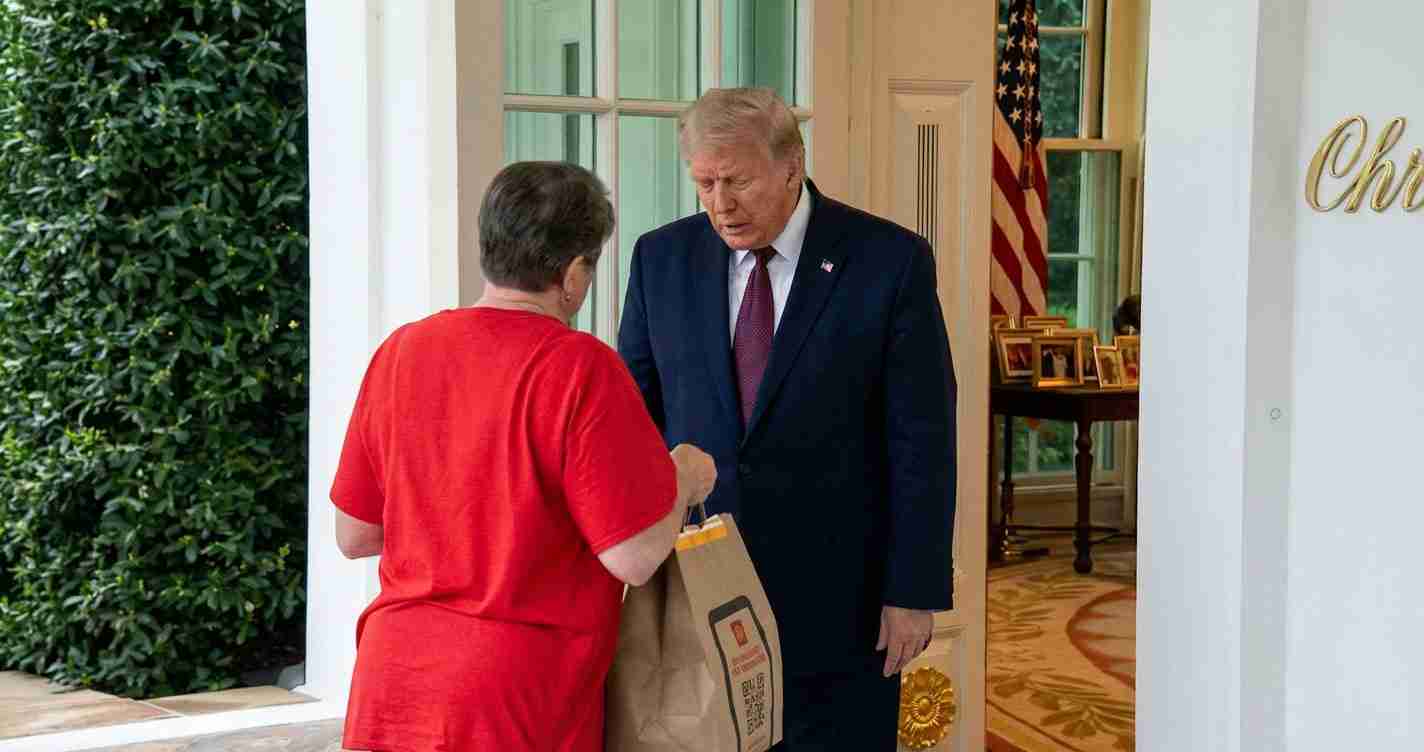
Sharon Simmons, the DoorDash driver dubbed the “DoorDash Grandma,” hand-delivered McDonald’s to President Trump at the White House to mark the first anniversary of the No Tax on Tips policy, saying it saved her about $11,000 last year.
- Human example: DoorDash’s announcement framed Simmons’ delivery as the first-ever DoorDash delivery to the White House.
- Personal impact: Simmons, a grandmother of 10, says tips are a major portion of her income and that the policy saved her about $11,000 last year (Fox News coverage).
- Policy package: The White House highlighted the change as part of the Working Families Tax Cuts / One Big Beautiful Bill, which also temporarily removed taxes on overtime and raised other credits (Fox Business reporting).
- Debate: Supporters say workers keep more take-home pay; critics warn of reduced federal revenue and larger deficits (coverage and debate).
Background and personal story
Sharon Simmons began dashing in 2021 or 2022 after the COVID-19 pandemic changed her work options. She has completed more than 14,000 deliveries, according to DoorDash’s announcement, and often depends on tips as a large part of her earnings.
Simmons is a grandmother of 10 from Arkansas. The tax change carried particular meaning because her husband is battling cancer; she told reporters the extra take-home pay made a real difference for household bills and care. In interviews she estimated that of the roughly $11,000 saved, she could set aside about $3,000–$4,000 directly (CBS News reporting).
The White House visit and event
On the South Lawn, Simmons completed what DoorDash called the first-ever DoorDash delivery to the White House, leaving a McDonald’s order at the Oval Office doors. Reports say President Trump praised her refund, handed her a cash tip and shared the meal with West Wing staff (DoorDash’s announcement; CBS News).
“Well, obviously, we would like for it to continue, but I’m going to enjoy it while I’ve got it,” Simmons said about the No Tax on Tips change.
DoorDash officials said the policy has allowed Dashers nationwide to retain hundreds of millions of dollars collectively. The event was used to highlight the human side of the policy and its effect on everyday workers.
Impact of the No Tax on Tips policy
Supporters point to immediate gains for gig workers, service staff and small earners who rely heavily on tips. DoorDash executives say the policy helped millions of Dashers keep more earnings and contributed to large collective savings (DoorDash’s announcement).
Critics warn of fiscal trade-offs: reduced tax revenue and wider deficits. The White House has defended the move by highlighting boosts to consumer spending and family budgets as potential long-term economic benefits (Fox News coverage).
Reactions and context
Media coverage ranged from human-interest profiles to critical fiscal analysis. Outlets such as CBS News centered on Simmons’ life and work, while business press examined political and budgetary implications (Fox Business).
Investigative questions remain: How many workers see savings comparable to Simmons’? What is the net effect on federal revenue over the policy’s life? Lawmakers weighing extension beyond the 2028 sunset will balance family-level benefits against broader fiscal impacts.
Implications for Utah
Economic impact: Utah’s growing gig economy in Salt Lake City, Provo and Ogden means drivers and delivery workers could see similar boosts to take-home pay while the No Tax on Tips policy remains in effect. The temporary child tax credit increase and higher senior deduction could also help families and retirees (DoorDash’s announcement; Fox Business).
Political consequences: In conservative Utah, stories like Simmons’ may bolster support for tax relief policies aimed at working families. Local leaders may use such examples to argue for extensions or state measures, while opponents stress fiscal responsibility.
Social and cultural relevance: For larger-than-average families in Utah, the $200-per-child credit increase could be meaningful. The image of a grandmother supporting family with flexible gig work resonates with many readers who value family and self-reliance.
Practical note: Utah gig workers should review tax filings and watch the policy timeline through 2028; local tax preparers may see increased demand as workers seek clarity.
Reporting notes and sources
This story draws on statements and coverage including: DoorDash’s announcement of the White House delivery; Fox News coverage of Simmons’ interview; CBS News reporting; Fox Business reporting; and additional background from The Advocate and Times Now News.
Questions about the long-term fiscal impact of the No Tax on Tips policy remain part of the public debate. Simmons’ White House delivery put a human face on that debate and underscored how tax policy can affect gig workers and families across the country — and in Utah.