Tehran’s strikes and a tightened “shadow fleet” chokehold risk higher energy costs for Moscow and Beijing — and ripple to U.S. consumers
Escalating threats around the Strait of Hormuz and stepped‑up Western crackdowns on the shadow fleet are choking tanker flows, raising insurance costs, and squeezing sanctioned oil routes — pressuring Moscow and Beijing while threatening higher prices for U.S. consumers.
- Hormuz threats and strikes from Iran have sharply reduced tanker transits and pushed up war‑risk insurance, curbing flows through a key chokepoint (ABC7 Chicago live coverage).
- The shadow fleet — older, opaque tankers moving sanctioned crude — is under pressure from combat near Hormuz and stepped‑up Western enforcement, shrinking options for Russia, Iran, Cuba and others (Wikipedia summary of the 2026 Iran war).
- Western interdictions such as the MT Ethera seizure and tightened price‑cap enforcement are removing capacity and raising logistics costs, squeezing Moscow’s revenues and China’s discounted supply lines (gCaptain report).
What happened at the Strait of Hormuz
Iran’s state media and commanders in the Islamic Revolutionary Guard Corps publicly threatened to stop all oil traffic through the Strait of Hormuz, a narrow waterway that handles roughly one‑fifth of the world’s seaborne oil. Even without a declared minefield or formal blockade, threats, missile and drone strikes, and a withdrawal of war‑risk insurance have effectively curtailed tanker traffic. Tankers are delaying, rerouting, or halting transits altogether, increasing voyage times and premiums (ABC7 Chicago live coverage; CENTCOM video; Wikipedia summary).
How the shadow fleet works — and why it matters now
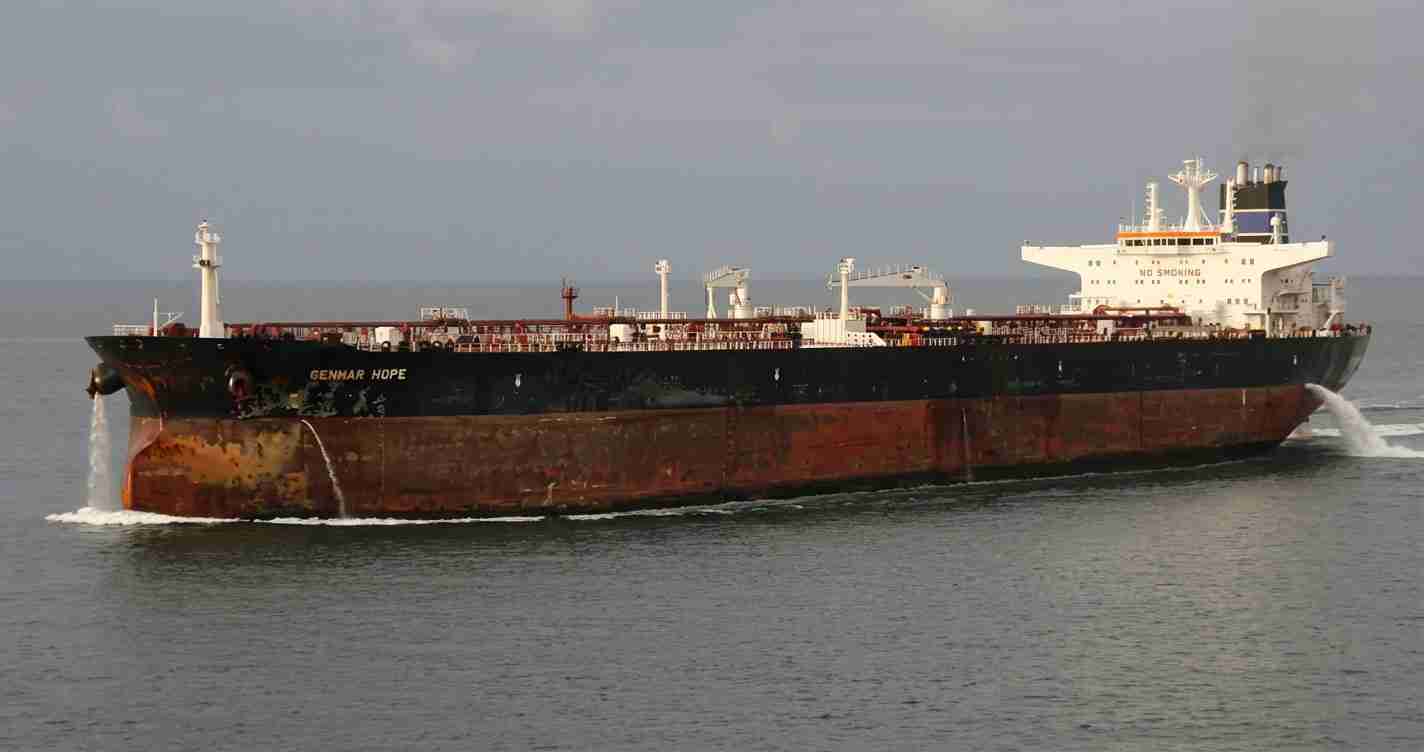
The shadow fleet (or gray fleet) is a loose collection of older, unflagged or opaquely owned tankers that rely on flags of convenience, last‑minute ship‑to‑ship transfers, and opaque ownership chains to move oil that carries sanctions or price‑cap risk. These vessels often lack full commercial insurance and depend on informal networks for fuel, ports, and crew services. They are central to moving discounted Russian and Iranian oil to buyers such as China, India, and Cuba. Current fighting near Hormuz and the risk of attacks make these fragile arrangements far less reliable.
Western enforcement steps up
Western navies and law‑enforcement agencies have moved beyond paperwork and sanctions lists to active interdiction and surveillance. Officials say the MT Ethera was interdicted in the North Sea in an operation authorities tie to Iran‑connected shipping networks and redirected to Zeebrugge for seizure (gCaptain report; reporting summarized on Wikipedia). Such actions remove capacity from the shadow fleet and deter banks, insurers, and ports from servicing suspect ships.
“These interdictions and seizures reduce the pool of vessels available to move sanctioned oil, and they raise the effective cost and risk of every shadow‑fleet voyage.”
Russia’s war funding and the price cap squeeze
The G7/EU price cap on Russian Urals crude — currently tightened to roughly $44 per barrel under enforcement efforts — seeks to limit Moscow’s export revenues. Enforcement works by denying Western insurance, finance, and port services to shipments sold above the cap. As Western actions tighten, Moscow has been pushed further toward shadow‑fleet routes and non‑Western service providers, but each seizure or rise in shipping risk forces deeper discounts or higher logistics fees, narrowing margins and reducing funds available for government spending, including war financing in Ukraine (Wikipedia summary).
China’s energy supply chains at risk
China purchases discounted barrels from Russia and Iran, and many Chinese independent refiners and state buyers depend on the shadow fleet. Disruptions near Hormuz and stronger enforcement increase cost and uncertainty for these shipments. Higher crude costs raise production costs for energy‑intensive sectors — steel, chemicals, manufacturing — and can feed into broader inflationary pressure. The shadow‑fleet squeeze can therefore translate into meaningful impacts on Chinese industrial costs and import prices (Wikipedia summary).
CENTCOM’s strikes and Iran’s degraded maritime reach
U.S. Central Command released footage of strikes on vessels it says carried drones and offensive gear; CENTCOM and open reporting indicate dozens of Tehran‑linked small vessels and auxiliaries have been disabled or sunk since the campaign began. Those losses degrade Iran’s ability both to threaten commercial ships and to protect or coordinate clandestine shipments, undercutting Tehran’s sanctions‑evasion options even as it uses intimidation over Hormuz to gain leverage (CENTCOM video; Naval Today reporting).
Wider effects on other sanctioned states
Cuba, Venezuela and others rely on the same gray‑fleet pool and opaque brokers. U.S. moves to choke off shipments to Cuba and EU seizures reduce options for these states. If shadow‑fleet capacity shrinks, they must either pay higher prices, accept shortages, or pursue even riskier routes (Wikipedia summary).
Implications for Utah, United States
Economic impact
– Energy prices: Global oil‑market strain tends to raise U.S. gasoline and heating fuel costs. Utah households and businesses could see higher pump prices and increased freight and construction costs.
– Inflation pressure: Higher Chinese crude costs and tightened global markets can transmit price pressure to U.S. goods, adding to local inflation concerns.
Political consequences
– National security: Utah voters and leaders focused on defense will view maritime insecurity and sanctions‑evasion as direct strategic threats, supporting interdiction efforts as defense of a rule‑based order.
– Energy policy debates: The crisis strengthens arguments for energy independence and may bolster calls for expanded domestic production, pipelines, and strategic reserves.
Social effects
– Cost of living: Higher energy and shipping costs hit lower‑income families hardest, affecting heating bills, food prices, and transit costs.
– Community resilience: Manufacturing, mining, and heavy‑transport communities may face tighter margins and must plan for supply shocks.
Cultural relevance
– Self‑reliance values: Utah’s cultural emphasis on preparedness reinforces support for domestic production and conservative energy policies.
– Support for service members: Naval interdictions and patrols will be framed locally as support for troops protecting trade lanes.
Practical applications for residents
– Budgeting: Households should expect short‑term fuel volatility and consider emergency budget cushions.
– Energy choices: Energy efficiency and reduced supply‑chain dependence can mitigate risk; local governments might expand reserves or diversify supplier contracts.
– Political action: State leaders can press federal officials to prioritize energy security, sustain Navy patrols, and use trade tools to protect compliant businesses.
Reporting and sources
Preserved sources and reporting include:
- ABC7 Chicago live coverage of Iran threats and shipping impacts
- Wikipedia summary of the 2026 Iran war and related sanctions impacts
- CENTCOM video released on strikes against Iranian maritime assets
- gCaptain report and maritime coverage on MT Ethera and interdictions
- Naval Today for open‑source naval incident reporting
Further reporting is needed on ownership chains such as the Shamkhani‑linked fleet and on firm figures for seized barrels and lost shadow‑fleet capacity. If desired, we can follow up with a deeper dive into ship registries, insurance market responses, and a scenario model of barrels per day at risk under different enforcement intensities.