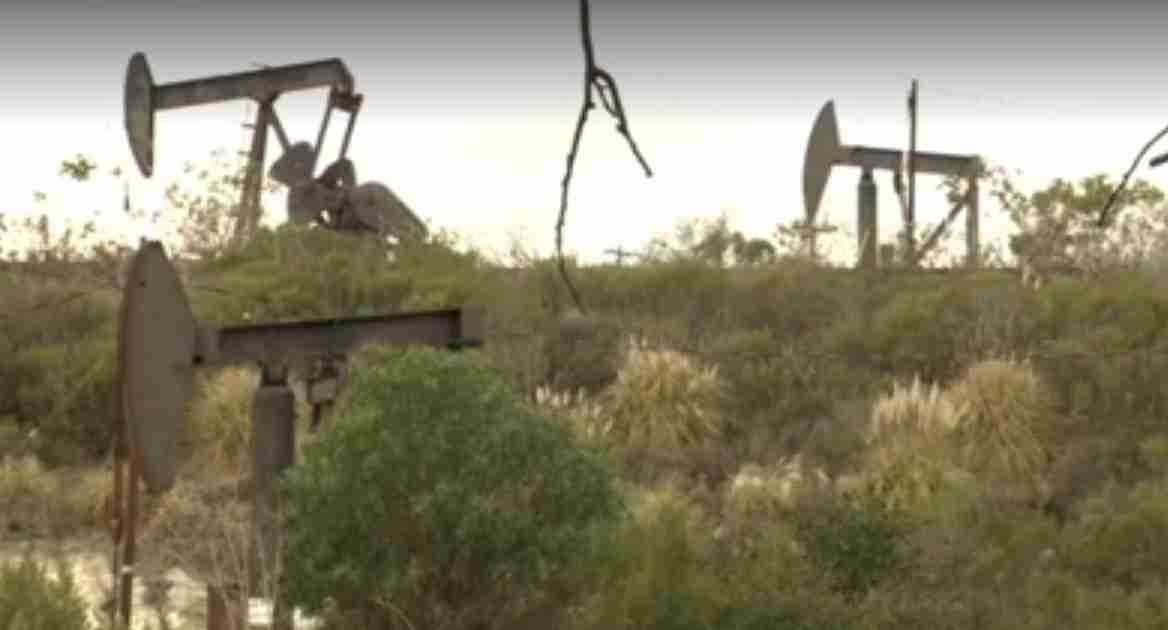
California fast-tracks oil permits to shore up fuel supply, greenlight up to 2,000 new wells a year in Kern County
California’s new SB 237 lets Kern County approve up to 2,000 oil well permits per year for ten years, fast-tracking drilling to shore up fuel supply, protect jobs and respond to looming refinery closures and high pump prices.
Key takeaways
- SB 237 permits Kern County to fast-track up to 2,000 new oil well permits annually for 10 years, with local ordinances effective beginning January 2026 if legal challenges are resolved.
- Supporters say the move aims to stabilize fuel supply and jobs amid planned refinery closures and company departures; critics warn low per-well output may limit price relief and raise environmental risks.
- Analysts flag technical, legal and bonding changes that could increase orphaned-well risks and reduce environmental review safeguards.
- Regional effects — including on neighboring states like Utah — depend on how many wells are drilled and how much oil they actually produce.
Background: why SB 237 passed
California has experienced a steady withdrawal of oil and gas firms, stricter environmental rules and a statewide target to end in-state fossil fuel extraction by 2045. Production and rig approvals have fallen; regulators approved only 84 new rigs statewide in the last year, a sharp drop from prior years. Policymakers argued that the decline threatens local jobs, tax revenue and fuel reliability for consumers. Sources include Turnto23, BRY and the Los Angeles Times.
Policy details and local permitting changes
SB 237 specifically authorizes Kern County to approve up to 2,000 new oil well permits annually for 10 years. The law also establishes a county-level Environmental Impact Report (EIR) intended to satisfy state requirements for certain projects and streamline local permitting processes after recent legal challenges. Kern County officials updated their environmental disclosures and permitting procedures to align with the new state law.
Important timing note: drilling under the law is not expected to begin immediately — local ordinances must be finalized and court challenges resolved before broad permit issuance. (See local reporting from Turnto23 and industry analysis at BRY.)
Economic rationale: jobs, taxes and fuel supply
Proponents argue SB 237 will preserve and create jobs in oilfield services, boost local and state tax revenues, and help stabilize pump prices. California’s gasoline averages approached $8 per gallon in some areas recently, prompting political pressure. Supporters contend that increased local production and a steadier flow of crude to in-state refineries could reduce reliance on imports and blunt price spikes. See reporting from Turnto23 and analysis by the Los Angeles Times.
Environmental and technical concerns
Environmental groups and analysts caution the bill’s effects may be limited and could create local harms. Data show California wells have relatively low productivity — about 13.5 barrels per day on average from 2019–2024 — meaning thousands of new wells might be required to materially increase statewide output. FracTracker raised concerns that production assumptions used by some proponents are optimistic.
SB 237 also changes some environmental review steps and removes certain bonding requirements tied to transferring non-producing wells. Critics warn this could increase the risk of orphaned or improperly abandoned wells, potentially shifting cleanup costs to taxpayers or local governments. Watchdogs question whether the county-level EIR adequately accounts for cumulative impacts over a decade of accelerated permitting.
Legal status and timing
Drilling under SB 237 is not expected to begin until January 2026. Kern County and state officials must finalize local permitting ordinances and resolve pending court challenges related to environmental compliance. Courts will decide whether the revised EIR and streamlined CEQA procedures meet legal standards for areas that lack prior CEQA-compliant reviews. Until those rulings, the law provides a framework but not immediate drilling activity.
Political framing and trade-offs
Lawmakers described the vote on SB 237 as a tough compromise. Many Democratic leaders framed it as a pragmatic, temporary step to prevent economic shocks while the state pursues a long-term transition to cleaner energy. Governor Gavin Newsom and supporters argue the county’s updated EIR will avoid increasing net carbon emissions; environmental groups dispute that claim, saying the bill weakens review processes. The debate underscores the tension between near-term energy reliability, jobs and prices versus long-term climate goals and environmental protections.
“A tough compromise,” lawmakers said — balancing immediate fuel reliability and jobs against longer-term environmental commitments.
Questions analysts are asking
- Will 2,000 permits a year translate into meaningful additional supply given low per-well yields? (FracTracker)
- Can Kern County’s revised EIR and permitting process withstand legal scrutiny and adequately protect communities? (BRY, Turnto23)
- If refineries close as planned, will increased local drilling offset lost refining capacity and lower California gas prices? (Los Angeles Times)
Implications for Utah
Utah drivers and policymakers watch California gas prices because West Coast fuel markets influence regional refinery economics. If SB 237 helps stabilize California prices, it could ease pressure on West Coast wholesale fuel markets and reduce price spillovers to neighboring states. However, if extra production is small because of low per-well output, statewide price effects may be limited. (Sources: Turnto23, FracTracker.)
Utah’s energy planners should monitor permit approvals and court outcomes in Kern County before factoring SB 237 into reliability planning. Local Utah firms that supply oilfield equipment and services may see opportunities if permitting accelerates — but any boost depends on actual drilling and production rates. (See BRY and local coverage at Turnto23.)
Reporting sources
This report draws on local and statewide coverage and industry analysis, including reporting from Turnto23, coverage of the Legislature’s bills in the Los Angeles Times, industry analysis from BRY, and production data compiled by FracTracker.