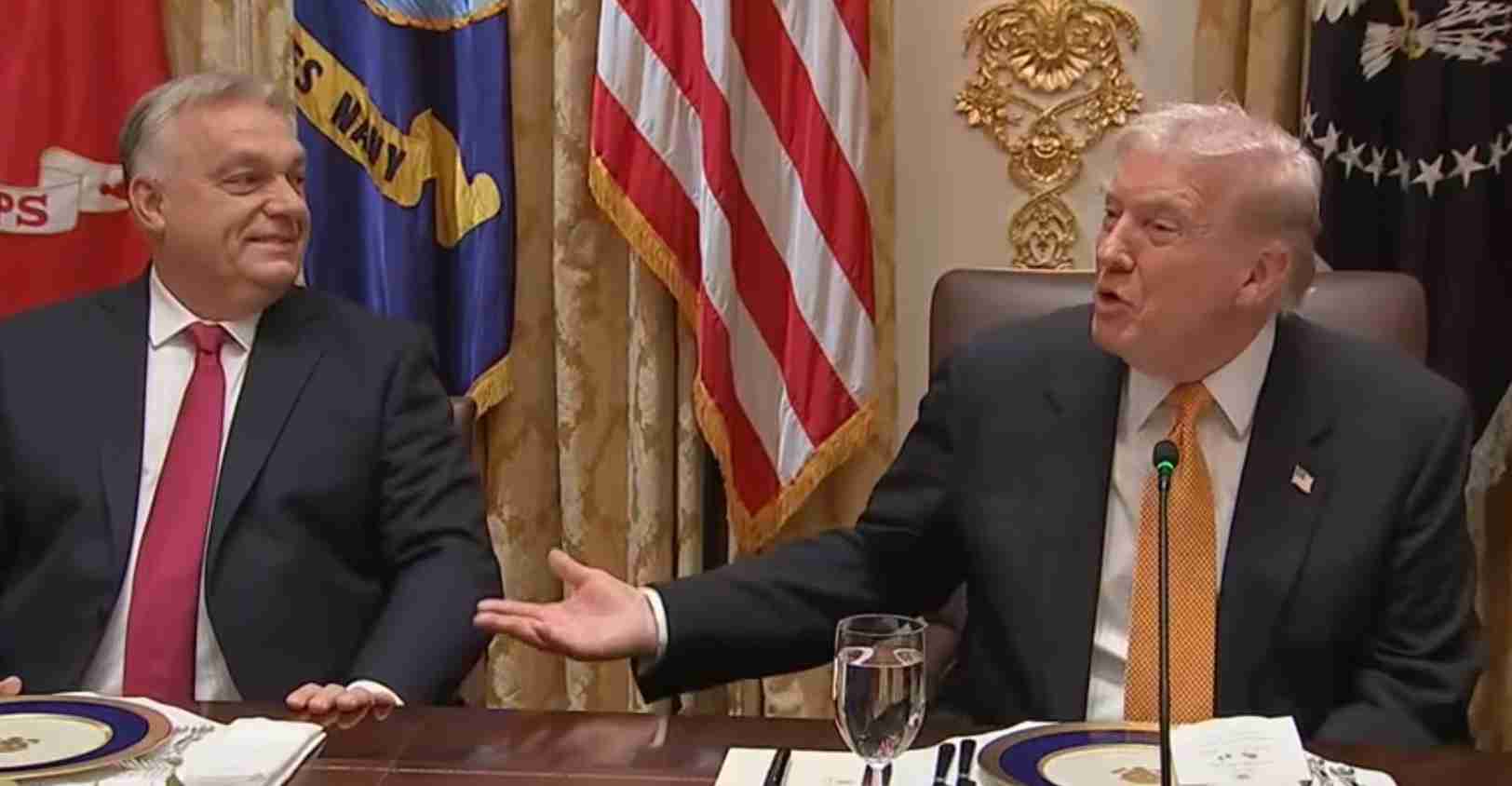
Orbán jokes he wants to “hire” Karoline Leavitt after impromptu White House takedown of reporters
During a White House bilateral meeting on energy and trade, Hungarian Prime Minister Viktor Orbán joked he wanted to “hire” Karoline Leavitt after she delivered an impromptu, forceful defense of the administration’s economic record against reporters.
Key takeaways
- Impulsive defense: Karoline Leavitt gave a sharp, unscripted defense of the administration’s economic record when pressed by reporters.
- Lighthearted diplomacy: Viktor Orbán jokingly said he wanted to hire Leavitt, underscoring camaraderie during talks on energy and trade.
- Political ripple: The exchange highlighted the administration’s media confrontation style and may resonate with conservative Utah audiences.
What happened at the White House
Happening toward the end of a meeting about Hungarian energy and trade, the exchange unfolded quickly. Reporters pressed President Trump about concerns over affordability and whether he had previously addressed rising costs.
Mr. Trump replied that his administration had tackled affordability and argued prices had come down under his watch compared with the prior administration. To bolster the point, he called Karoline Leavitt into the Cabinet Room.
Leavitt, serving as press secretary, gave an impromptu defense of the administration’s economic policies. She blamed the previous administration for creating “the worst affordability crisis in modern American history,” and pointed to regulatory rollbacks and tax relief that she said returned more money to Americans’ pockets. Her tone was direct and forceful, and it clearly resonated in the room.
After Leavitt finished, Mr. Trump labeled the media “fake news.”
That prompted Prime Minister Orbán to quip that he wished he could enlist Leavitt’s talents for Hungary. Mr. Trump replied with a lighthearted plea: “Please don’t leave us, Karoline.” Major outlets captured and reported the moment, including Fox News.
Why the exchange drew attention
The scene made headlines for several reasons:
- Direct confrontation: It showcased the administration’s willingness to confront the press openly and publicly.
- Leavitt’s style: Her combative defense appeals to conservative audiences skeptical of mainstream media coverage.
- Diplomatic optics: It offered a public display of camaraderie between Mr. Trump and Mr. Orbán amid Hungary’s requests on sanctions and energy.
Leavitt’s remarks were not prepared in a traditional press briefing. The impulsive nature of her defense, and Mr. Trump’s immediate support, underscored the administration’s message discipline on economic talking points—tax cuts, deregulation, and the claim that those policies eased the burden of high prices for American families.
Orbán’s visit and U.S.–Hungary ties
Prime Minister Orbán’s trip to Washington is part of broader talks on energy and trade. Hungary has sought closer ties with the United States while pursuing an independent approach to relations with Russia. In public and private, Budapest has pushed for easing some sanctions that affect Hungary’s energy supply and wider economy.
U.S. officials say energy security and trade are key topics. Hungary seeks reliable energy sources and trade terms to help its export sectors. The diplomatic choreography matters: Orbán’s lighthearted hiring jab came as he sought American goodwill and possible flexibility on sanctions tied to the Russia-Ukraine conflict.
Media reaction and the “fake news” frame
The exchange revived the familiar “fake news” refrain. President Trump’s label and Ms. Leavitt’s sharp criticism of reporters emphasize the tense relationship between conservative officials and mainstream media outlets; conservative audiences often view many outlets as biased.
Broadcasters and newspapers differed in framing: some described Orbán’s remark as a joke; others highlighted the diplomatic backdrop — Hungary’s request for U.S. help on sanctions and energy. Fox News reported the exchange as a lighthearted moment emphasizing the administration’s media-critique angle.
Implications for Utah
Economic ripple effects
- Energy prices: Utah consumers and businesses could feel downstream effects if U.S. policy shifts to accommodate Hungary on energy; changes to sanctions or trade may influence fuel and electricity costs.
- Trade impacts: Deeper U.S.–Hungary trade ties are unlikely to immediately change Utah’s trade patterns, but broader administration moves could open export opportunities for local manufacturers and agriculture.
Political consequences in Utah
- Messaging: The episode will play well with many conservative Utah voters who trust the administration’s economic narrative and are skeptical of mainstream media.
- Local leaders: Utah Republicans may cite the exchange when defending deregulation and tax cuts; state leaders often borrow national talking points for local debates.
- Voter attention: Interest in national security and energy independence could grow if the administration considers easing sanctions for Hungary.
Social and cultural resonance
- Media trust: The moment reinforces conversations in Utah about media fairness and trust, especially among conservative families and faith communities.
- Public information: Local newsrooms should expect national narratives to filter down and may face sharper scrutiny when covering economic issues.
Practical takeaways for Utah residents
- Watch energy and grocery prices; diplomatic shifts affecting global energy markets can trickle down to Utah.
- Follow state commerce announcements for any new trade opportunities arising from U.S.–Hungary discussions.
- Expect continued media debate as the administration uses direct public pushbacks against reporters.
Reporting and sources
This account draws on coverage of the White House meeting and the reported exchange between President Trump, Prime Minister Orbán, and Karoline Leavitt. Major outlets captured the interaction, with Fox News politics coverage among those reporting the moment. Additional references include the White House briefing room and reporting from Reuters U.S. politics.
Additional context for Utah readers
State officials and conservative leaders in Utah who track energy and trade policy should prepare for possible downstream effects from any U.S. diplomatic decisions on Hungary. For voters prioritizing strong economic messaging and media accountability, the Orbán–Leavitt exchange reinforces familiar themes about governance, the press, and America’s role in global energy and security questions.