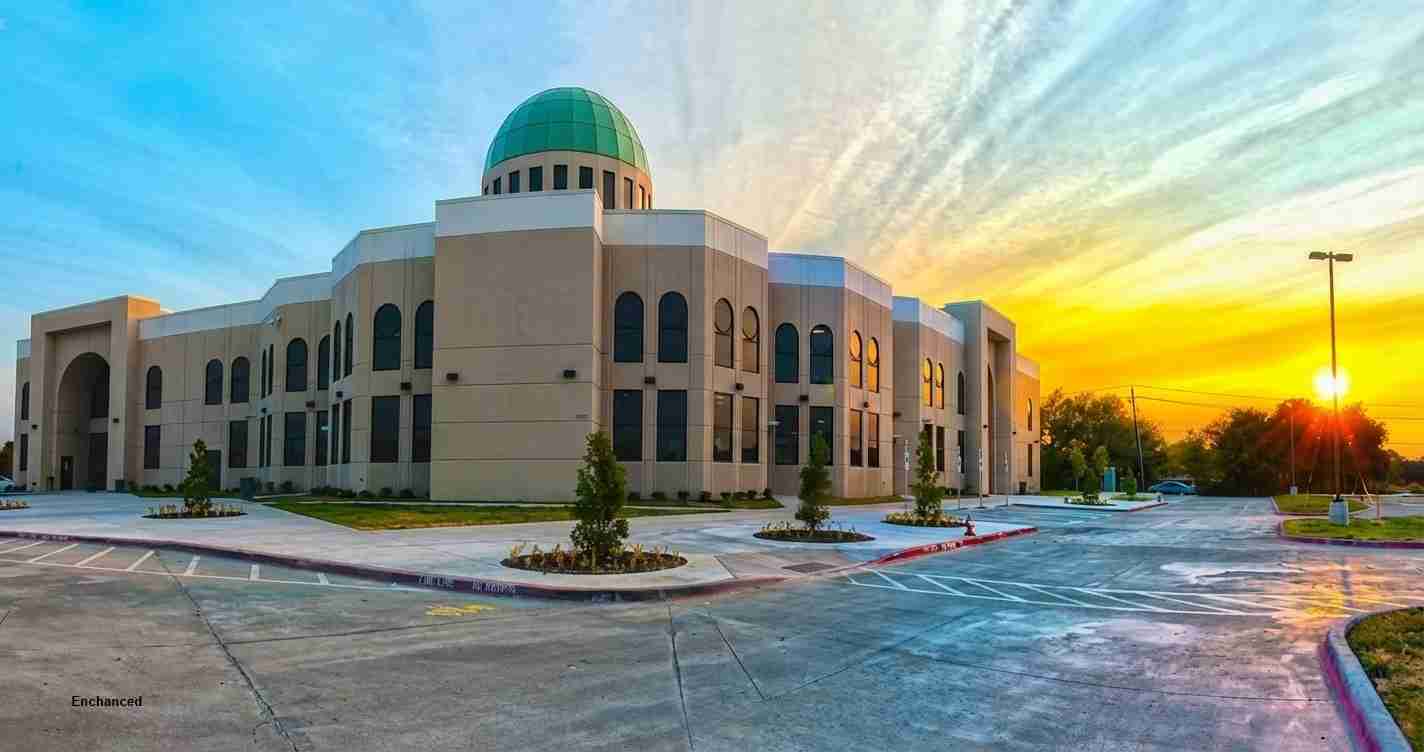
Paxton sues Plano mosque in EPIC City Texas lawsuit, alleges “Muslim-only” marketing and investor fraud
Texas Attorney General Ken Paxton has filed a civil lawsuit against the East Plano Islamic Center and related developers over the EPIC City and The Meadow projects, alleging securities fraud, deceptive investor marketing and unlawful “Muslim-only” housing promotions.
Key takeaways
- Paxton filed a civil suit after a securities probe that began in March; investigators collected more than 750 documents and reviewed promotional materials, according to KERA News.
- Defendants include the East Plano Islamic Center (EPIC), Community Capital Partners and individual leaders described as the “leaders behind EPIC City,” per KERA News.
- The suit seeks immediate injunctive relief — a temporary restraining order to halt fundraising and development and later permanent injunctions and civil penalties, as reported by KERA News.
Who is being sued
Named defendants in Paxton’s complaint include the East Plano Islamic Center (EPIC), its development arm Community Capital Partners, and individual leaders tied to EPIC City. The attorney general’s office portrays these parties as organizers of what it calls an unlawful land-development scheme; media summaries do not reproduce the full complaint or all exhibits (KERA News).
What EPIC City and The Meadow are
Promotional materials described EPIC City as a master-planned residential development spanning “hundreds of acres” in North Texas, with The Meadow promoted as the first-phase subdivision and initial investment opportunity. Paxton’s office alleges some promotional claims about location and services were false or misleading (KERA News).
Core allegations by Attorney General Paxton
Paxton’s complaint centers on three principal claims: securities fraud, misleading investor marketing, and unlawful religion-based housing marketing. Each is summarized below with key assertions from the state’s filing.
Securities fraud
The state alleges EPIC and Community Capital solicited investments for The Meadow and EPIC City without complying with Texas securities rules. Officials claim defendants failed to verify investor accreditation where required and engaged in “fraudulent practices” in fundraising (KERA News).
Misleading investor marketing
Paxton’s complaint alleges promotional materials stated The Meadow would be within the city of Josephine, while the planned site is actually on unincorporated land between Collin and Hunt counties — distinctions the office says affect services, zoning and entitlements and could be material to investors and buyers (KERA News).
Alleged “Muslim-only” marketing
State lawyers assert EPIC City was marketed as a faith-centered community — effectively suggesting a “Muslims-only” enclave — and argue that implying religious exclusivity in housing marketing violates Texas fair housing and anti-discrimination laws. Paxton’s office contends this religious angle was part of a broader deceptive scheme (KERA News).
Investigation timeline and evidence reviewed
Paxton opened a securities investigation in March and says investigators collected more than 750 documents, and reviewed online promotions and videos tied to The Meadow and EPIC City. In November his office referred findings to the Texas State Securities Board and then filed a civil suit in district court; media reporting has not released full exhibits (KERA News).
Legal theories and relief sought
The filing appears to rely on state securities laws, anti‑fraud provisions, consumer-protection statutes such as the Texas Deceptive Trade Practices Act, and state fair housing/anti-discrimination rules aligned with the federal Fair Housing Act. Paxton asks for an immediate temporary restraining order to halt fundraising and promotion, and seeks permanent injunctions, civil penalties, restitution and disgorgement if the state prevails (KERA News).
What Paxton said
“An unlawful land project”, Paxton described EPIC City as an “unlawful land project” and called it a “radical plot to destroy hundreds of acres of beautiful Texas land and line their own pockets.” He pledged to “relentlessly bring the full force of the law against anyone who thinks they can ignore the rules and hurt Texans,” and said he would bar those responsible “from ever creating another fraudulent operation like this again.”
What is not yet clear
Public reporting so far summarizes Paxton’s claims but does not include full complaint exhibits. Key unknowns include how much money was raised, how many investors are affected, whether federal agencies will open parallel probes, and the precise marketing language used. Media coverage did not include a detailed response from EPIC or Community Capital at the time of reporting; defendants will have the opportunity to answer and may contest the characterization of marketing as exclusionary or material.
Procedural next steps
The court will consider Paxton’s request for a temporary restraining order. If granted, fundraising and development could be frozen while the case proceeds. Defendants will file responses or motions; the state will present evidence in preliminary injunction hearings. The litigation could result in civil penalties, injunctions, or a settlement.
Implications for Utah
Economic and legal monitoring: Utah developers and investors should watch whether Texas’s approach to religious-targeted marketing and unregistered offerings leads to broader enforcement that could affect similar projects elsewhere.
Political context: The case highlights the role of state attorneys general in policing fundraising and land deals; conservative Utah readers may note Paxton’s use of consumer-protection and securities law to challenge faith-framed developments.
Social and cultural effects: Tension between faith-based community-building and fair-housing protections means Utah groups should balance religious identity with nondiscrimination norms to reduce legal risk.
Practical applications
- Verify investor status: Confirm accreditation and comply with securities registration rules before soliciting funds; proper documentation helps prevent litigation.
- Be cautious in marketing: Faith-based branding is permitted, but avoid wording or imagery that suggests housing is limited to members of a single religion.
- Be precise about location and entitlements: Clearly state whether land lies inside city limits and what services or zoning apply; misstatements can be material to investors.
Reporting note and sources
This article is based on reporting of the civil suit and Paxton’s statements summarized by KERA News. The public summary does not reproduce the full complaint or attached exhibits; those documents may contain the detailed marketing materials Paxton’s office cites.