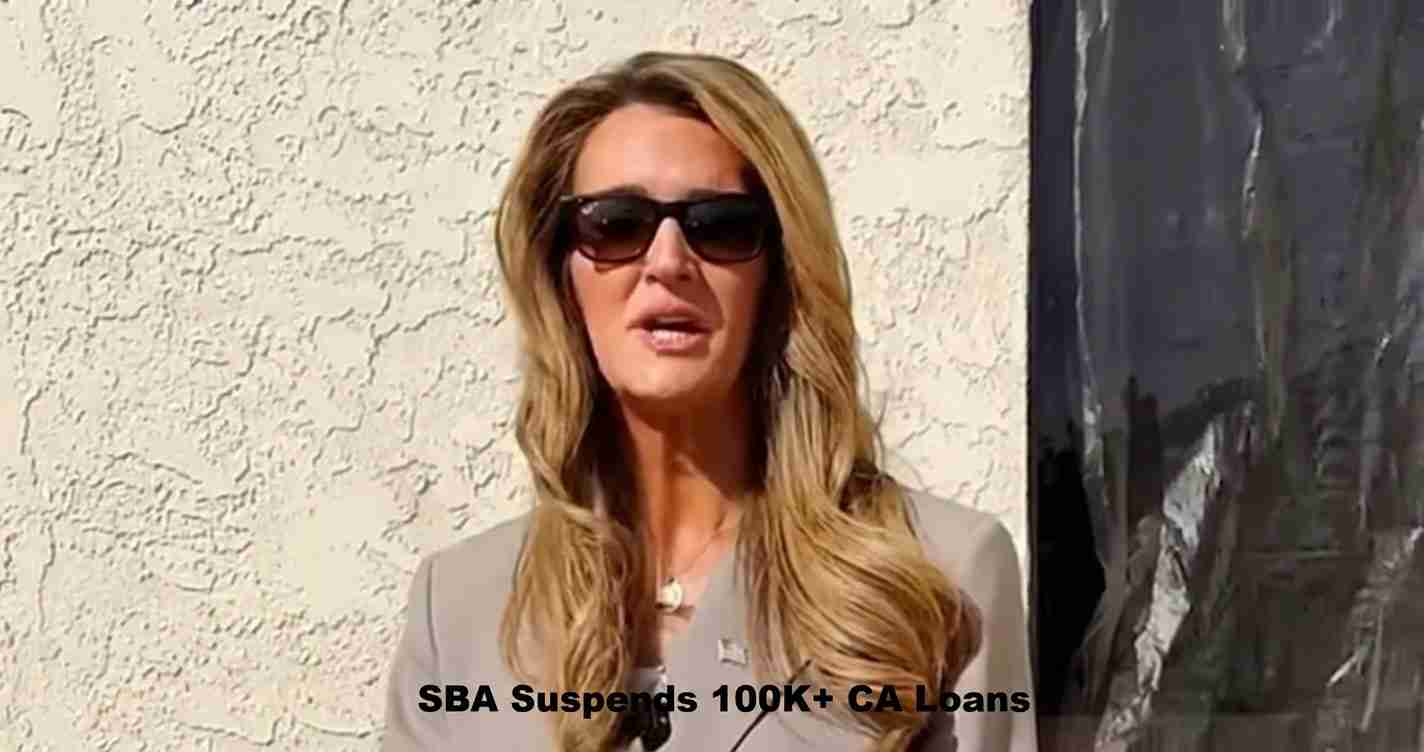
SBA suspends 111,620 California borrowers in sweeping pandemic-loan fraud crackdown
On February 6, 2026, the U.S. Small Business Administration suspended 111,620 California borrowers tied to suspected PPP and EIDL fraud totaling more than $8.6 billion, barring them from future SBA aid and certain federal contracting programs.
Key takeaways
- Magnitude: 111,620 California borrowers tied to 118,489 PPP/EIDL loans worth over $8.6 billion were suspended — per the SBA.
- Consequences: Suspended entities are barred from new SBA loans, disaster aid and programs such as the 8(a) Business Development Program and other federal contracting opportunities.
- Enforcement posture: Administrator Kelly Loeffler called it the largest crackdown to date and said the agency is coordinating with federal law enforcement to identify criminals, recover funds and pursue prosecutions (JDSupra).
What the SBA announced and why it matters
The SBA said the California suspensions target borrowers it believes were linked to fraudulent pandemic-era lending. The public notice does not list individual borrowers or detailed fraud tactics; instead, it stops the suspended entities from receiving future SBA assistance, including loans and certain contracting opportunities as described by the SBA.
Administrator Kelly Loeffler’s statement
Kelly Loeffler described the action as “the most significant crackdown on pandemic loan fraud to date,” tying patterns of alleged abuse to the prior administration and promising coordination with federal law enforcement to recover funds and pursue prosecutions. She said,
“Pandemic-era fraudsters will not get a pass under this Administration.”
Coverage and analysis appear at JDSupra and reporting at Fox News.
Scope and earlier work by the SBA
The agency reported state-by-state reviews and work with the SBA Office of Inspector General and outside partners, including Palantir, to examine potentially fraudulent pandemic loan activity. The SBA also stated it has identified roughly $200 billion in pandemic-era loan fraud previously unaddressed (SBA).
This California action follows an earlier Minnesota program that flagged about 6,900 borrowers tied to nearly $400 million in suspected PPP/EIDL fraud; investigators traced one scheme for roughly $2.5 million to a Minneapolis-linked operation, prompting congressional attention (JDSupra; Fox News).
Responses from California officials and critics
California’s top Democratic officials reportedly pushed back, with the state attorney general’s office calling the fraud claims “baseless” in media interviews. The public disagreement highlights a larger political fight over responsibility for pandemic-era oversight and how aggressively to pursue alleged fraud (KFOX‑TV).
Legal and programmatic follow-ups
SBA suspensions are administrative actions, not criminal convictions. They block access to SBA services while investigations continue; the agency said it will coordinate with federal law enforcement to pursue recoveries, fines and prosecutions where merited.
Earlier in January 2026, the SBA suspended over 1,000 firms from its 8(a) program after document requests went unfulfilled — a follow-up to October 2025 8(a) suspension activity (SBA 8(a) notice; Crowell).
What the announcement did not say
Public materials and the SBA press release do not list names of suspended borrowers, detailed allegations about specific fraud tactics, or firm estimates of recovered funds. That leaves unanswered questions about the evidence supporting each suspension and how many cases will lead to civil or criminal charges (SBA).
Questions for investigators and lawmakers
- How many suspended California borrowers will face criminal charges or civil penalties?
- What evidence links each loan to fraudulent activity, and how transparent will the SBA be about findings?
- How much money can realistically be recovered, and what timeline will apply?
- Did oversight gaps during the initial PPP/EIDL rollout enable large-scale abuse, and what reforms will prevent future losses?
Implications for Utah
Economic impact
Utah small businesses and taxpayers could benefit if fraud recoveries and tightened controls return funds to legitimate relief channels. Recoveries may free taxpayer dollars and restore integrity for future emergency aid; Utah firms that used PPP/EIDL and later sought SBA contracting might see fairer competition if suspected abusers are removed (SBA).
Political consequences
Utah’s conservative voters and leaders emphasize accountability and fiscal stewardship. Loeffler’s message — calling out alleged abuses in “blue” states — may resonate with constituents focused on waste and misuse of federal aid and could spur local GOP calls for aggressive oversight and congressional inquiries (JDSupra).
Social and cultural effects
Utah communities that relied on PPP and EIDL funds to retain jobs may have been harmed if fraud reduced available aid. A high-profile crackdown aims to restore public confidence that emergency programs serve legitimate small employers. Local chambers and business groups may welcome enforcement that removes bad actors (Fox News).
Practical applications for Utah residents and small-business owners
- Monitor SBA suspension lists and eligibility rules if you have pending applications (SBA).
- Maintain clear records of PPP/EIDL loans in case of future audits or requests from the SBA or the Office of Inspector General.
- Respond promptly to SBA document requests if you are an 8(a) participant to avoid administrative suspensions (SBA 8(a) notice).
Conclusion
The SBA’s California suspensions mark a major enforcement step in the federal response to pandemic-era loan abuse. As investigations proceed, Utah businesses and officials will watch for recoveries, legal outcomes and policy changes that could affect future federal aid and contracting opportunities.
Sources and reporting
This article is based on the SBA’s official materials and related reporting. Key sources include the SBA press release, legal analysis at JDSupra, media coverage at Fox News, and local reporting at KFOX‑TV. Additional background on 8(a) suspensions is available from the SBA 8(a) notice and legal analysis at Crowell.