Senate GOP Blocks War-Powers Bid After Two Republicans Break Ranks in Fight Over Trump Drug Smuggling Strikes
Senate Republicans blocked a Democratic-led resolution 51–48 to limit President Trump’s authority to order military strikes on vessels alleged to be smuggling drugs, a vote that exposed bipartisan breaks and intensified debate over presidential war powers.
Key takeaways
- Senate vote: The measure failed 51–48 to restrict the president’s ability to strike alleged drug-smuggling vessels; sources include Fox News and WTOP.
- Bipartisan votes: Senators Rand Paul and Lisa Murkowski joined Democrats; John Fetterman sided with most Republicans opposing the resolution.
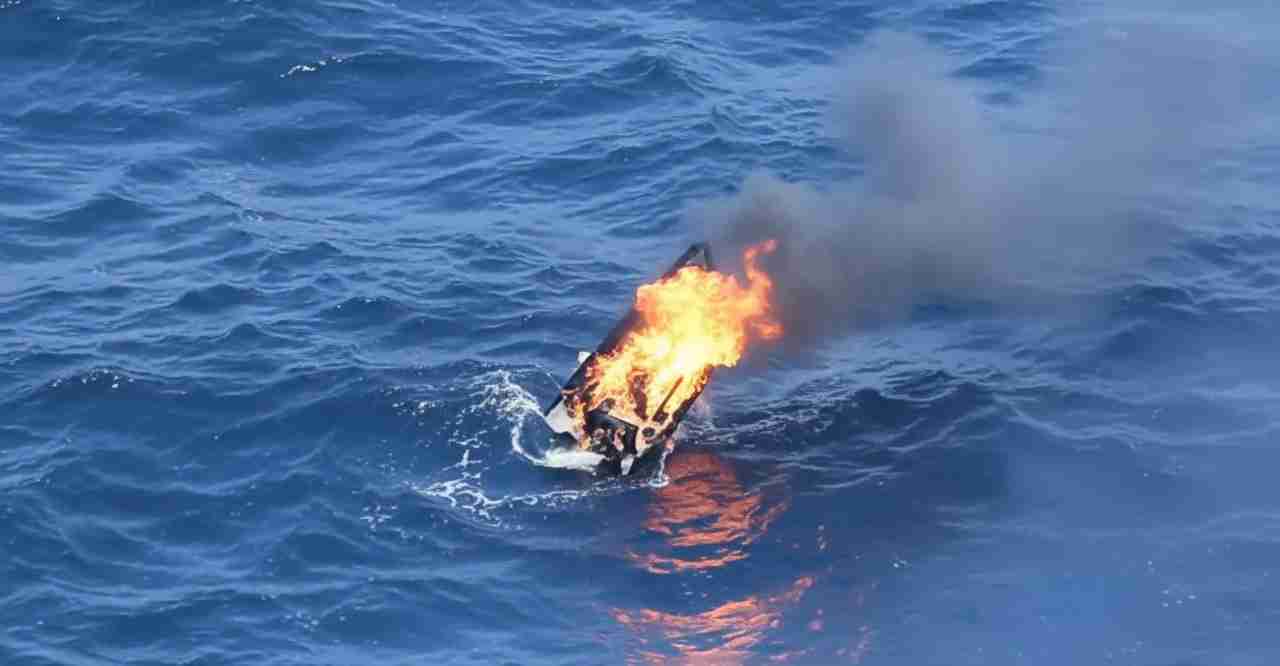
- Administration defense: The White House says four strikes in the Caribbean killed at least 21 people and targeted “narcoterrorists,” signaling a possible expansion of operations; reporting includes ClickOrlando and ClickOnDetroit.
Main story
What the vote was about
Senators debated a joint resolution led by Sens. Adam Schiff (D-Calif.) and Tim Kaine (D-Va.) that would have required explicit congressional authorization before the president could use U.S. military force against organizations newly designated after Feb. 20, 2025, as terrorists or as trafficking groups. Supporters called the measure a restoration of the Constitution’s war-powers checks; opponents warned it could hamper quick responses to maritime threats. Coverage: WTOP.
Who crossed the aisle — and why
Rand Paul and Lisa Murkowski voted with Democrats, but for different reasons: Paul has long sought limits on expansive executive military authority and called for transparency; Murkowski expressed concerns about oversight and legal standards for lethal strikes. By contrast, Democratic Sen. John Fetterman sided with Republicans, arguing the U.S. must take forceful action to confront cartels sending fentanyl into American communities. Sources: Fox News, WTOP, Washington Examiner.
Administration case and casualty claims
The White House defends the strikes as lawful self-defense, saying U.S. forces struck four vessels in the Caribbean, resulting in at least 21 deaths and disrupting shipments allegedly bound for the United States. Administration officials labeled the targets “narcoterrorists” and suggested operations could broaden to include cartel land activities. Reports referenced include WTOP, ClickOrlando, ClickOnDetroit, and DTN/Progressive Farmer.
Legal and policy arguments
Legal scholars and some Democrats argued the strikes may stretch the Constitution’s commander-in-chief powers and raise international law concerns, urging Congress to assert its role before lethal force is used in new contexts. Republicans countered that transnational criminal groups constitute an imminent threat and the president must retain authority to protect Americans. Some GOP senators pressed for more transparency about targeting standards and evidence. Reporting: WTOP, Washington Examiner, ClickOrlando.
Congressional dynamics and private briefings
Senate leaders held private discussions about the legal rationale. Reports indicate Secretary of State Marco Rubio met privately with Senate Republicans to explain the administration’s legal framing and defend the strikes as defensive. Those back-channel briefings underscored divisions between lawmakers prioritizing speedy tools against fentanyl and those demanding clearer congressional oversight. Source: Washington Examiner.
Broader stakes: how this shapes future action
The resolution’s defeat signals that a majority of Senate Republicans are prepared to accept an expansive presidential reading of war powers when applied to transnational criminal groups. Supporters argue this preserves timely options to stop lethal drugs; critics warn it risks setting precedent for military action against nonstate actors without clear congressional authorization. Coverage: ClickOrlando, ClickOnDetroit, DTN/Progressive Farmer, Washington Examiner.
Implications for Utah
Economic impact
Utah could see fewer overdose emergencies if strikes and deterrence reduce fentanyl shipments; alternatively, if cartels adapt, state hospitals and law enforcement may still face heavy burdens. Reporting on national impacts includes WTOP and ClickOrlando.
Political consequences
Utah’s conservative electorate typically favors robust border and drug-security policies; the Senate vote demonstrates broad GOP support for an administration posture that treats cartels as armed threats. State Republican officials who emphasize law-and-order may welcome the stance. Sources: Fox News, Washington Examiner.
Social effects
Utah families affected by opioid and fentanyl addiction will monitor federal moves closely. Successful strikes could reduce overdoses; unanswered questions about transparency and accountability for lethal overseas actions could sway voters across the political spectrum. Reporting: WTOP, Washington Examiner.
Practical applications
Utah law enforcement will likely press for federal cooperation, increased intelligence sharing, and resources to interdict trafficking routes. Simultaneously, state leaders may urge Congress for clearer guidelines balancing effectiveness with safeguards against targeting errors. Sources: ClickOnDetroit, DTN/Progressive Farmer.
Reporting note
This article draws on multiple contemporary news accounts: Fox News; WTOP; ClickOrlando; ClickOnDetroit; DTN/Progressive Farmer; and Washington Examiner. All original facts, details, and source links have been preserved above for reference.