Trump Boards Air Force One via Belly Stairs After Secret Service Finds Elevated Hunting Stand With Direct View of Plane
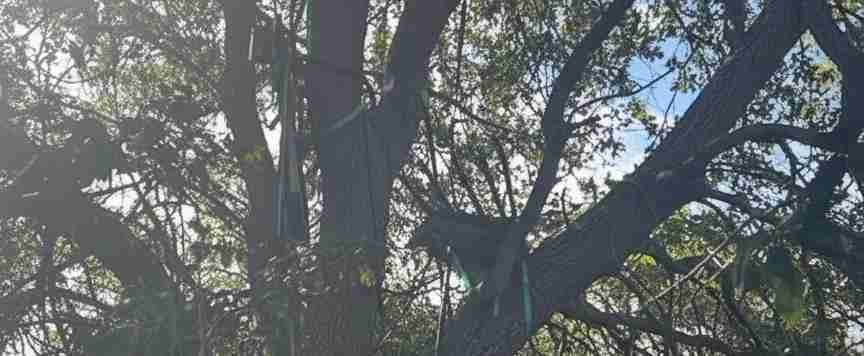
President Donald Trump boarded Air Force One in Palm Beach using the aircraft’s smaller retractable belly stairs after Secret Service agents discovered an elevated hunting stand with a direct view of the landing area, prompting an active federal investigation.
- Advance teams found a hunting stand with a clear line of sight to the Air Force One landing zone, prompting tactical adjustments.
- Protective action: The president used the smaller belly stairs to limit ground exposure and speed movement.
- Investigation underway: The FBI, supported by the Secret Service and local law enforcement, has used cell phone analytics and forensic collection; no suspects identified.
- Local implications: The episode highlights planning and outreach needs for communities and event organizers, including in Utah.
Discovery and immediate response
Secret Service advance teams conducting routine sweeps near Palm Beach International Airport located an elevated hunting stand positioned with an unobstructed view of the Air Force One landing area. Agents assessed the stand as a potential vantage point that could be exploited to observe or target the president during tarmac movements.
As a precautionary measure, White House security planners adjusted the exit plan: President Trump boarded using the aircraft’s smaller retractable “belly” stairs rather than the main stairway. That tactic is part of standard protective practice to reduce exposure and hasten movement when a potential surveillance or targeting risk is identified.
Security posture and why the change matters
The belly stairs are a tactical adjustment, not a routine preference. By shortening ground time and limiting sightlines, the maneuver reduces angles from which someone could observe presidential movements. The Secret Service described the action as part of layered security—advance work, perimeter control, intelligence collection and protective tactics.
“No impact to any movements, and no individuals were present or involved at the location,” Secret Service spokespeople said, underscoring that details are withheld to protect operations.
—Anthony Guglielmi, Secret Service spokesperson (statement summarized)
Investigation: scope and methods
Federal agents, led by the FBI with support from the Secret Service and local law enforcement, conducted evidence collection at the scene. Investigators used specialized forensic resources and cell phone analytics in an effort to identify who placed or used the stand and whether it posed an active threat. As of reporting, no individuals have been identified or taken into custody in connection with the stand.
Officials have not released a detailed timeline or specific evidence publicly, a common practice while investigative steps remain active to avoid compromising leads or methods.
Context: Palm Beach security concerns
The discovery comes after a recent conviction in Palm Beach of an individual accused of planning an attack from a sniper position, which has heightened sensitivity around presidential travel in the area. Local knowledge of elevated stands, blinds or other hunting structures that provide broad sightlines is now prioritized during advance checks.
White House movement and media access
President Trump departed Palm Beach slightly later than scheduled and did not take questions before boarding. Photographs of the departure show the president boarding via the smaller belly stairs that night. Officials emphasized the change was precautionary and part of standard protective operations when a potential sightline risk is discovered.
Why this matters to security planners and the public
This episode demonstrates how commonplace items—like a hunting stand—can become national security concerns depending on placement. For planners, the incident highlights the need for coordinated advance work, adaptability and surveillance of areas around airports and presidential facilities. For the public, it illustrates persistent threats officials must guard against while minimizing disruption.
Practical takeaway: Report unfamiliar temporary structures near airports or public venues so authorities can evaluate potential risks quickly.
Implications for Utah
Economic impact: Enhanced advance sweeps and coordination with federal teams can add costs and operational changes for airports, vendors and hotels hosting high-profile visits.
Political consequences: The event underscores federal-state cooperation for protective measures and can shape local messaging about law, order and preparedness.
Social and cultural effects: Outreach to hunting and rural communities can help balance recreation with awareness about sightlines near critical infrastructure—encouraging owners to avoid placing blinds or stands that overlook airports or public venues.