Trump Gives Maduro Ultimatum to Flee or Face Force as Talks Collapse, U.S. Military Posture Intensifies
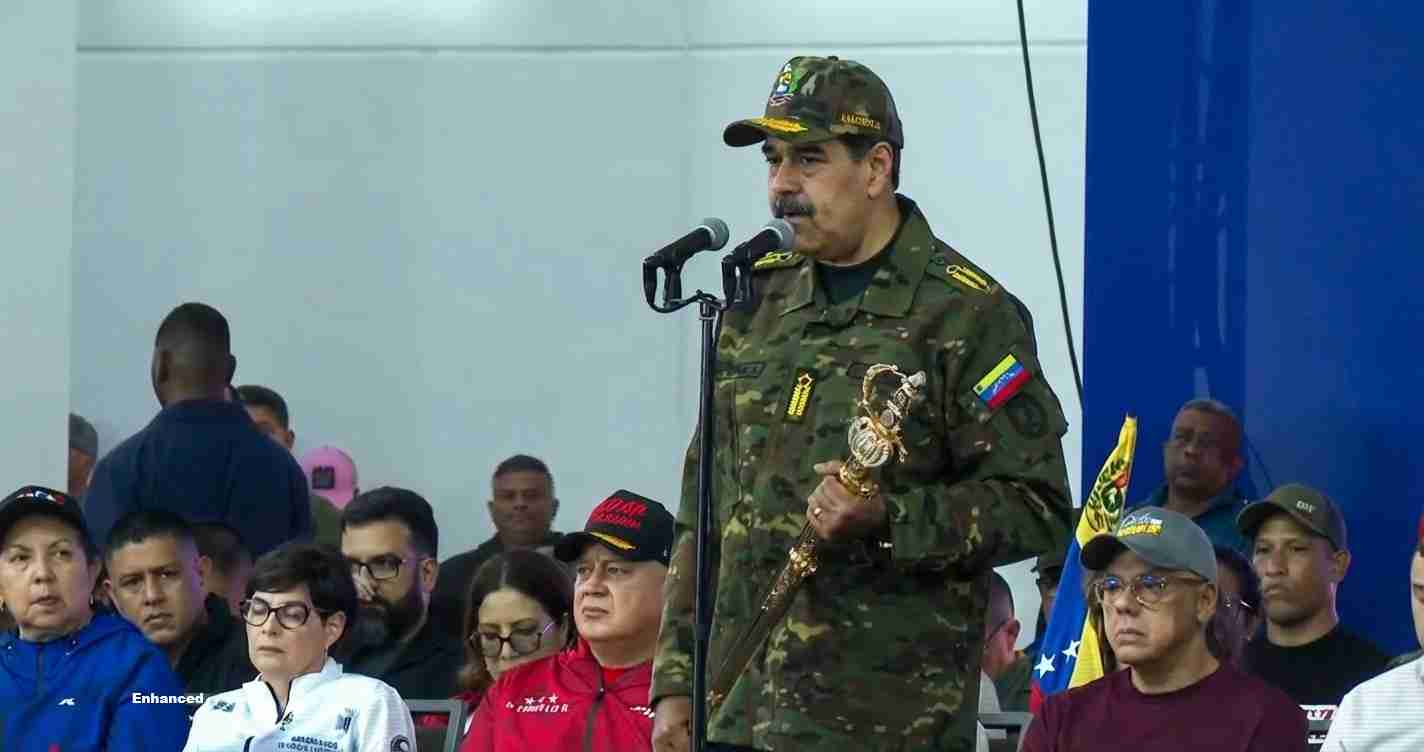
President Donald Trump issued an uncompromising late-November ultimatum demanding Nicolás Maduro’s immediate departure in exchange for safe passage; Maduro’s counter-demands were rejected, talks collapsed and the U.S. rapidly intensified military and aviation measures across the Caribbean.
- Immediate demand: Trump demanded Maduro leave Venezuela now in exchange for safe passage — reported by Times of India and Fox News.
- Demands rejected: Maduro’s calls for global amnesty and continued military command were refused by Washington.
- Escalation: U.S. closed Venezuelan airspace to international flights and moved military assets into the region, while targeting suspected trafficking networks.
- Local impacts: Analysts and U.S. actions raise direct economic, security and political implications for U.S. states including Utah.
How the ultimatum unfolded
According to reporting, the White House offered guaranteed evacuation for Maduro, his wife Cilia Flores, their son and several top allies — but only if Maduro agreed to resign immediately. The late-November phone call, in the week of Nov. 16, moved from negotiation to confrontation when Maduro presented two conditions Washington refused to accept: a blanket global amnesty and retaining command of the armed forces even if elections proceeded. Sources include Times of India and Fox News.
Maduro’s demands rejected
Maduro sought a global amnesty that would shield him and senior regime figures from prosecution, and proposed retaining formal control of the military while allowing elections. U.S. negotiators viewed those terms as a mechanism for a backdoor to power and rejected both demands, insisting on an immediate, unconditional departure. Reporting: Times of India, Fox News.
Escalation after talks broke down
Within hours of failed calls, the Trump administration intensified pressure: the president publicly warned Venezuelan airspace should be regarded as “closed in its entirety,” warning airlines to avoid overflight. Flight-tracking services showed a sudden absence of international aircraft over Venezuelan skies; flights to nearby islands such as Aruba and Curaçao were re-routed. Major carriers halted services after the FAA issued warnings about increased military activity. Venezuela responded by revoking operating rights of several foreign airlines and denounced the U.S. move as “colonial aggression.” (Times of India).
Military posturing and targeted strikes
Officials reported the U.S. mobilized significant assets in the Caribbean after the diplomatic breakdown. Maritime interdiction and increased strikes targeted suspected drug-smuggling vessels near Venezuela, part of a campaign to pressure Maduro’s networks. The administration also designated the Cartel de los Soles as a foreign terrorist organization — an effort to squeeze the regime’s financial and logistical channels. (Fox News).
“Maritime strikes and designations are intended to cut off routes used by traffickers and corrupt officials,” analysts said.
Congress and political backing at home
The president’s hard line drew support from some members of Congress who framed it as part of a fight against transnational crime and the drug trade. Senator Dave McCormick tied the campaign to broader drug-enforcement efforts, warning the U.S. faces a “war” against fentanyl and opioids. Congressional inquiries have been launched into an alleged “double tap” strike near Trinidad — a claim denied by U.S. officials; Secretary of War Pete Hegseth denied ordering such a strike. (Times of India).
Why experts say Maduro is vulnerable
Defense analysts argue Maduro and his inner circle are in their weakest position since consolidating power. Years of corruption, sanctions, defections and poor maintenance have degraded Venezuela’s armed forces: equipment is old and in disrepair, from American-era systems to aging Russian hardware. External backers like Russia and Iran are engaged elsewhere, and China has been reluctant to offer previous levels of support. Those factors — combined with tight U.S. pressure — make military vulnerability a key variable in outcomes. (Fox News).
Practical details about the phone calls and public statements
President Trump acknowledged he spoke to Maduro again after the initial exchange, saying, “I wouldn’t say it went well or badly.” Public warnings about airspace and possible land operations followed; administration officials framed these moves as protecting U.S. interests and curbing narcotics flows from the region. (Times of India).
Implications for Utah
Economic impact
- Energy markets: A serious confrontation could tighten global oil markets; Utah households and businesses may see higher fuel and heating costs during winter months.
- Trade and travel: Disruption in Caribbean air routes and maritime activity could affect logistics and tourism, with ripple effects for Utah-based firms dependent on international shipping.
Political consequences
- Border and law enforcement: Utah’s conservative leaders emphasize national security and tighter border controls; the administration’s focus on Venezuelan trafficking ties into federal efforts to curb fentanyl and opioids.
- State-level politics: Utah politicians favoring a tough foreign policy may cite these actions as evidence of decisive leadership.
Social effects
- Drug supply concerns: Pressure on Venezuelan channels could reduce some flows, but experts warn traffickers adapt quickly and may reroute shipments.
- Community safety: Families and first responders may welcome measures aimed at reducing drug inflows while monitoring for potential refugee movements or retaliatory crime.
Cultural relevance
- Utah conservatives often emphasize law, order and family safety; the administration’s campaign frames these priorities in moral and security terms.
- Humanitarian concerns: Any large-scale instability in Venezuela could prompt calls for aid and refugee support from compassionate constituencies.
Practical applications for Utah residents
- Emergency planning: Monitor federal travel advisories and energy market signals; conserve energy and stock essentials to buffer short-term fuel price spikes.
- Civic engagement: Utah voters and leaders can seek clear briefings from federal representatives on how operations target drug routes affecting local communities.
Sources and reporting notes
This report synthesizes accounts from Times of India — “You must leave the country now: Trump delivers blunt ultimatum to Maduro on call; US-Venezuela tensions flare” and Fox News — “Trump gave Maduro ultimatum to flee Venezuela, land operations loom: report”. Reporting is ongoing as officials and experts weigh effects on regional stability, drug interdiction and the Venezuelan military’s capacity to hold power.
Reporting note: All original facts, information and source URLs are preserved in linked citations above.