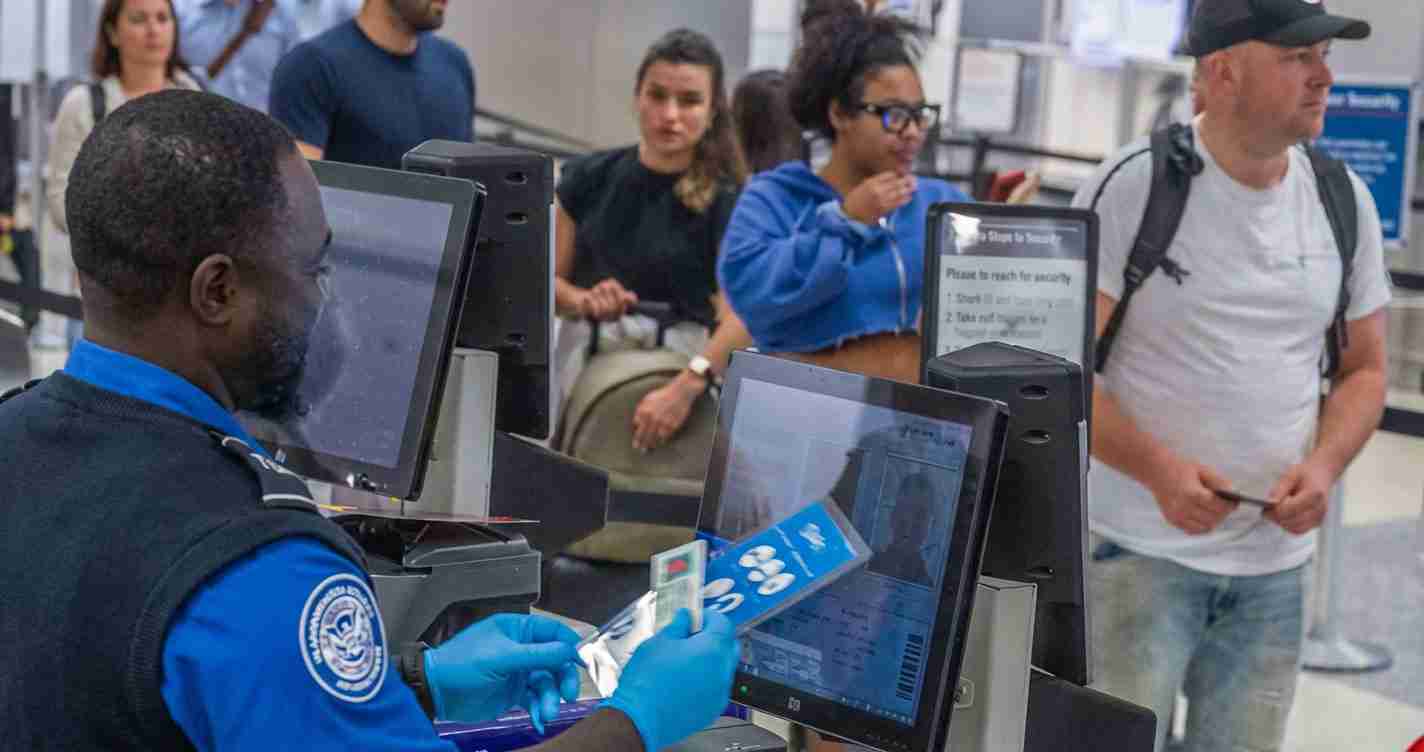
TSA rolls out $45 ConfirmID fee at checkpoints — what California flyers and Utah travelers must know
Beginning Feb. 1, 2026, the TSA will charge a $45 ConfirmID fee to adult travelers without a REAL ID-compliant ID or other approved documents at security checkpoints; payment is non-refundable and verification is not guaranteed.
- Effective Feb. 1, 2026: Adults 18+ who lack a REAL ID, passport, or other accepted ID may be charged a $45 fee for on-the-spot identity verification via Pay.gov.
- Payment and limits: Fees can be pre-paid through Pay.gov, are valid for a 10-day travel window, apply per traveler, and are non-refundable even if boarding is denied.
- Accepted IDs avoid the fee: A TSA.gov/realid-compliant license (California shows a golden bear and star), U.S. passport, DHS trusted-traveler cards, Enhanced Driver’s Licenses or DoD IDs are acceptable.
What TSA is changing — and why
Overview: The Transportation Security Administration originally proposed a lower on-site charge in late 2025 but finalized a $45 fee for adult travelers who arrive at checkpoints without acceptable identification. TSA says the fee offsets extra staff time, extended screening and digital verification costs. The ConfirmID option is not a guarantee of passage: payment covers the verification attempt only.
Federal guidance also notes that the fee applies to Department of Defense travelers on official orders and is non-reimbursable. See reporting from Travel.dod.mil and the Pay.gov form for details.
How TSA ConfirmID works
- Pre-pay online: Travelers may pre-pay the $45 fee via the Pay.gov ConfirmID portal, which asks for legal name and travel start date and accepts ACH, card, Venmo or PayPal; bring the printed or electronic receipt to the checkpoint.
- On-site process: TSA conducts a manual identity-verification routine that can include staff-assisted checks and digital verification tools; the fee covers staffing and technology use.
- Timing and limits: A payment is valid for a 10-day window beginning on the travel date entered; each traveler must pay separately; verification can fail and fees are retained even if boarding is denied.
Who this affects — and who is exempt
Applies to: Adults age 18 and older who arrive at TSA checkpoints without an acceptable security ID. Children under 18 generally do not need ID for domestic flights, though airline policies for unaccompanied minors can vary.
Acceptable IDs that bypass ConfirmID: REAL ID-compliant state licenses or IDs, U.S. passports or passport cards, DHS trusted-traveler cards (Global Entry, NEXUS, SENTRI, FAST), state Enhanced Driver’s Licenses and Department of Defense IDs. (See Travel.dod.mil.)
REAL ID requirements and how to spot a compliant card
REAL ID-compliant licenses display a star in the upper-right corner. In California the marker appears as a golden bear with a star. If your state ID lacks the star symbol, it is not REAL ID-compliant and could trigger ConfirmID requirements when flying domestically. For official guidance visit TSA.gov/realid.
Costs, practical concerns and legal warnings
TSA and the Pay.gov form warn that misuse, fraudulent information or criminal activity related to identity verification can result in federal penalties. Payment does not guarantee success; travelers may still be turned away. Critics call the fee a de facto user charge for failing to carry proper documents; supporters say it funds necessary resources to keep checkpoints operating.
“Payment covers the verification attempt but does not guarantee boarding,” the guidance emphasizes.
How to avoid paying the fee
- Get a REAL ID: Schedule a DMV appointment early; in California look for the golden bear and star. See TSA.gov/realid for documentation and guidance.
- Use a passport: A U.S. passport or passport card is accepted for domestic travel and avoids ConfirmID.
- Carry trusted-traveler cards: Global Entry, NEXUS, SENTRI and FAST cards are acceptable at checkpoints.
- Pre-pay if necessary: If you know you’ll lack acceptable ID, pre-pay via Pay.gov and bring proof to the checkpoint.
Questions the rollout raises
Investigative scrutiny highlights open questions: staffing adequacy at busy checkpoints, consistency of treatment across airports, disproportionate impact on rural residents with limited DMV access, and dispute resolution when travelers disagree about acceptable IDs. TSA maintains the fee funds staffing and technology but implementation concerns remain.
Practical steps for travelers planning flights from California
- Check your license: Look for the golden bear and star on California REAL IDs; without it you’re not REAL ID-compliant.
- Schedule DMV appointments: Upgrade early and gather required documents listed by your state DMV.
- Pre-pay if needed: Use Pay.gov to pre-pay ConfirmID and bring the receipt to the checkpoint to help avoid longer lines.
Implications for Utah
Economic: The $45 fee may strain tight travel budgets, particularly for seasonal workers, frequent flyers and rural residents who face limited DMV access.
Political and social: Expect scrutiny from lawmakers concerned about fee burdens and DMV capacity; families with newly adult children may face unexpected costs. Clearer outreach from state DMVs and airlines could reduce hardship.
Practical advice for Utahns: Check IDs before travel, schedule REAL ID appointments early, consider carrying a passport for domestic trips, or pre-pay ConfirmID and allow extra time at checkpoints. (Sources: Travel.dod.mil; Pay.gov; TSA.gov/realid.)
Sources and further reading
- Travel.dod.mil — “Travelers without REAL ID could pay $45 fee for TSA’s ConfirmID beginning February”
- Pay.gov — ConfirmID form and payment portal
- TSA.gov/realid — REAL ID information and acceptable ID list