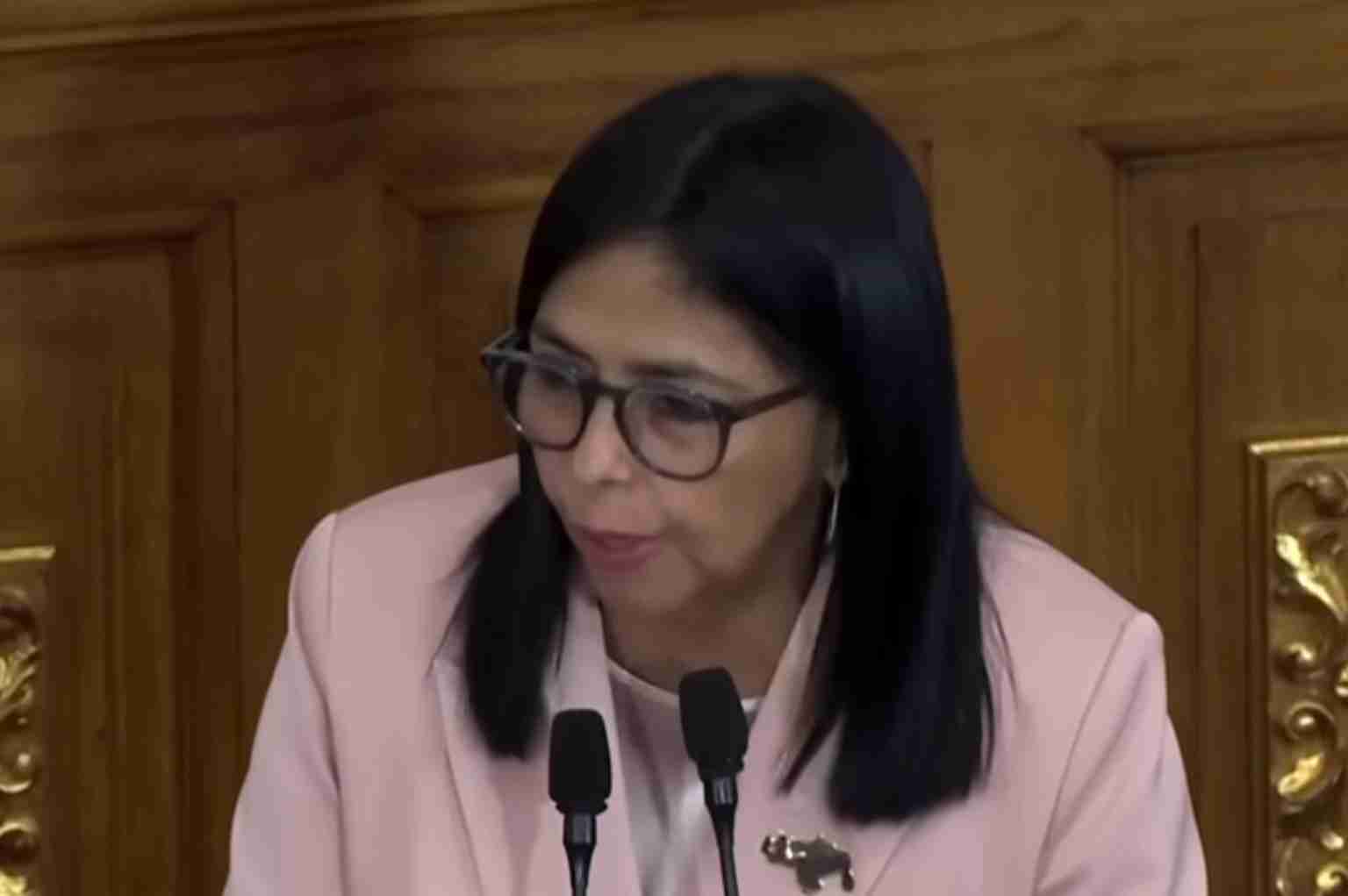
Acting President Delcy Rodríguez vows continued Venezuela prisoner releases, calls it a “new political moment”
Acting President Delcy Rodríguez said Wednesday her interim government will continue releasing people detained under Nicolás Maduro, calling the move a “new political moment” aimed at coexistence and tolerance in a statement from Caracas.
- Rodríguez pledged to continue prisoner releases that began under Maduro, calling it a “new political moment” for coexistence and tolerance (sources: KSL, Fox News).
- Numbers remain disputed: government tallies range from 212 to 406 freed, while human-rights groups report lower, verified totals and say many remain detained (see El País, ICTJ).
- Foro Penal estimates more than 800 Maduro-era political prisoners remain and calls for transparent lists, legal terms and access for families (source: KSL).
What Rodríguez said and the numbers she cited
At a first press briefing in the presidential palace — flanked by National Assembly President Jorge Rodríguez and Interior Minister Diosdado Cabello — Delcy Rodríguez reiterated that the releases are intended to restore civic life and reduce political rancor. She said the process “has not yet concluded” and credited Nicolás Maduro with starting the initiative after 194 prisoners were freed in December 2025 (KSL; Fox News).
Government spokespeople have offered varying totals — sometimes saying between 212 and 406 detainees have been released — but Rodríguez did not present a full, verifiable list of names or the legal terms attached to each release. She also vowed “strict” enforcement against crimes that threaten the constitutional order and criticized human-rights groups for allegedly spreading “falsehoods” (KSL).
Confirmed releases and disputed totals
Independent organizations have verified fewer releases than the interim government’s higher numbers. Foro Penal says it has verified 68 prisoners freed under the interim government’s promise, including a dozen released on Wednesday such as political activist Nicmer Evans and campaign staffers Julio Balza and Gabriel González (KSL).
Other monitoring groups and media reported releases of about 20 to 24 political prisoners earlier in the week, including Italians Alberto Trentini and Mario Burlò and Spanish‑Venezuelan Alejandro González. The government announced a figure of 116 confirmed releases at times, but human-rights groups say some announcements were not executed or carried restrictions such as bans on public speech (El País).
Foro Penal continues to record roughly 800 people detained in politically motivated cases, including opposition leaders, military members, lawyers and activists. Families have staged protests outside prisons and raised alarms over conditions and deaths, such as that of detainee Edison Torres (KSL; El País).
How releases are being decided and who is running the process
The interim government says Interior Minister Diosdado Cabello is leading case reviews and coordinating releases. Officials describe a case‑by‑case approach but have not published a legal framework or clear public criteria guiding who is freed and under what conditions — an omission critics say fuels distrust (KSL; Fox News).
Western governments have pressed for releases since Maduro’s capture by U.S. forces. The United States secured the release of at least four American detainees, and Italy intervened diplomatically in cases involving its citizens. Observers say the effort so far appears ad hoc and lacking consistent legal safeguards (ICTJ; El País).
Political backdrop and U.S. pressure
Rodríguez governs amid international pressure and domestic security challenges. U.S. influence is evident: Washington has demanded humanitarian and legal safeguards for detainees and pressed for the return of U.S. citizens; reporting indicates the U.S. helped negotiate the release of some Americans. At the same time, hardline actors still control key security forces, requiring a delicate balance between diplomatic demands and on‑the‑ground power dynamics (KSL; Fox News).
Prisoner accounts and family protests
Relatives and former detainees report uneven releases. Some freed individuals describe restrictions — such as bans on public speech or limits on movement. Families have camped outside prisons demanding lists and access to lawyers, and concerns persist about medical care and oversight following deaths like Edison Torres (El País).
Implications for Utah
Economic impact
Utah’s economy is modestly sensitive to global oil prices; any shift in Venezuelan oil output or sanctions relief could affect markets and fuel prices. Continued diplomacy over prisoners may lead to broader talks on Venezuela’s oil sector with global supply implications.
Political consequences
Utah’s conservative voters and officials follow U.S. policy toward Venezuela closely after the U.S. military operation and the release of American detainees. Handling of the prisoner releases could influence debates over foreign policy, executive authority and national security.
Social effects
Utah hosts Venezuelan‑Americans and immigrants who track developments at home. Opaque releases and jailed relatives may prompt local advocacy, church groups and immigrant‑support organizations to assist refugees and mobilize for human‑rights issues.
Cultural relevance
Questions about secretive or selective prisoner releases resonate with readers who value rule of law and transparency; demands for clear legal standards and protections for citizens abroad reflect local priorities.
Practical applications
If more U.S. citizens are detained or released, Utah residents with ties to Venezuela may need consular help, legal referrals, or assistance from faith‑based groups. Local officials and NGOs could be asked to help locate relatives or press for transparent case reviews.
Reporting notes and sources
This article draws from reporting by Times Media Service partner outlets and human-rights groups, including: KSL; Fox News; El País (English); and ICTJ.
“The picture in Caracas remains fluid,”
and Rodríguez’s pledges raise questions about transparency, legal safeguards and who will set rules for freeing those detained under Maduro-era prosecutions. Families, human-rights groups and foreign governments press for clear, verifiable lists and legal guarantees as the process moves forward.