Driver arrested after car rams White House barricade; Secret Service, DC Fire and EMS respond
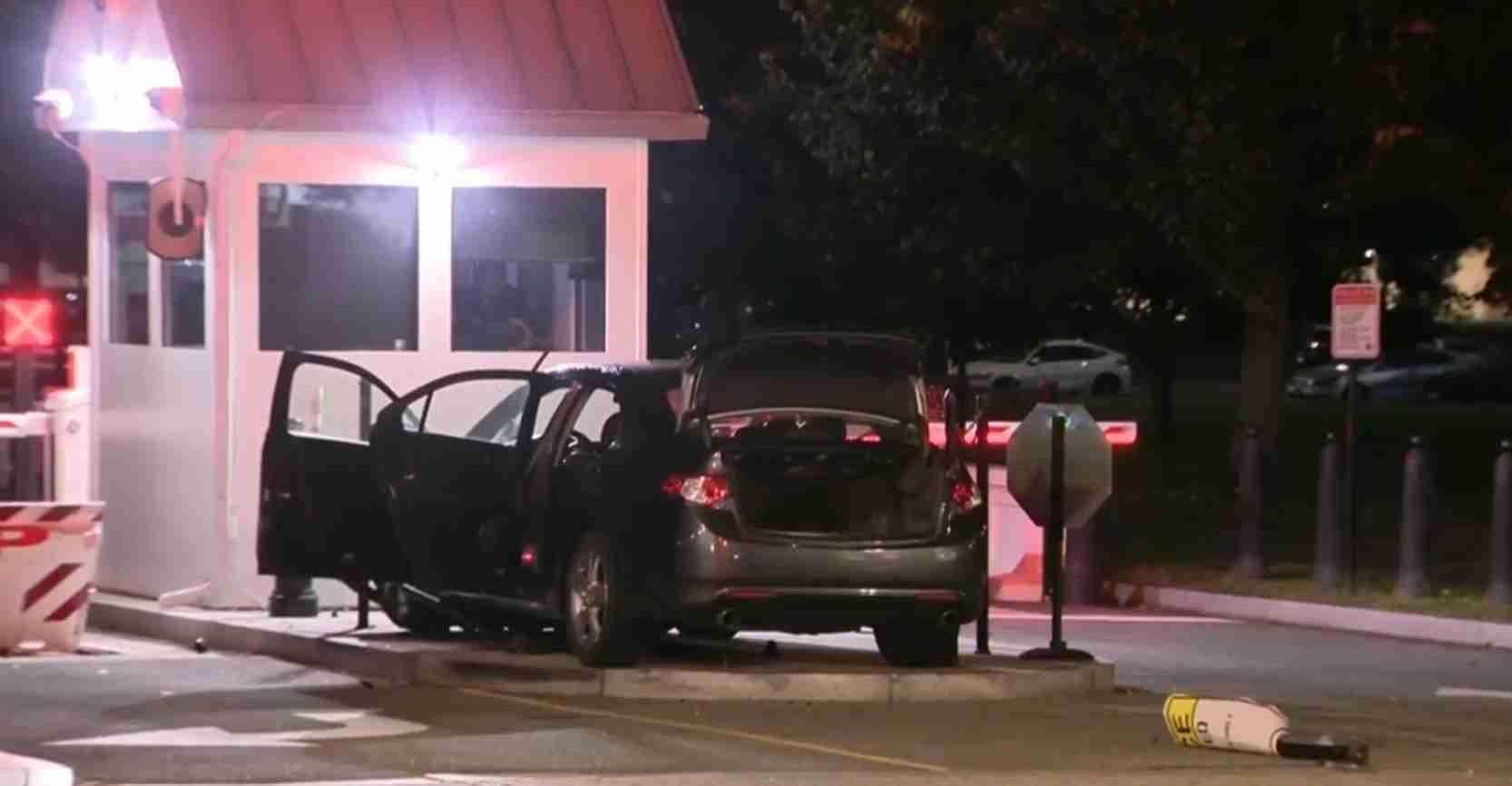
A driver was arrested after striking a security gate at the western entrance to the White House complex late Tuesday night, Oct. 21; U.S. Secret Service and DC Fire and EMS responded, and no injuries were reported.
- Quick arrest: Uniformed Secret Service officers detained the driver at the scene.
- Safety sweep: Bomb-detection teams and a robot inspected the vehicle and it was “deemed safe.”
- Multi-agency response: DC Fire and EMS and the Metropolitan Police assisted with scene security and traffic control.
- Investigation ongoing: Authorities have not publicly identified a motive; additional information will be released when the probe is complete.
What happened
At about 10:37 p.m. on Oct. 21, a vehicle struck a security gate at the western entrance to the White House complex, colliding with a barricade at 17th and E Streets SW. Uniformed U.S. Secret Service officers immediately detained the driver and secured the scene. Initial reporting and timelines were provided by ABC News, UPI and The Independent.
Incident timeline and scene detail
At roughly 10:37 p.m., the impact triggered an immediate security response. Barricades and police tape were deployed and nearby streets were temporarily closed as investigators secured the area. DC Fire and EMS crews were called to assist with safety checks and to support law enforcement on scene.
“The vehicle was inspected and deemed safe,” officials said following a sweep by explosive-ordnance teams.
Multi-agency response and Secret Service security
The Secret Service led perimeter operations. Uniformed Division officers detained the driver and coordinated with specialized units. Bomb-detection teams deployed a robot to inspect the vehicle for explosives or other hazards. The Metropolitan Police Department secured surrounding streets and managed traffic impacts while DC Fire and EMS provided medical standby capability.
Vehicle inspection and safety findings
Bomb experts and a robot evaluated the car. Authorities reported no hazardous materials or threats were found and the vehicle was “deemed safe.” There were no reported injuries to officers, bystanders, staff or the driver at the time of reporting. Officials have not released the driver’s identity or formal charges pending the ongoing investigation.
Investigation status and law enforcement notes
Investigators are reviewing video, witness statements and vehicle evidence. Law enforcement has not provided a public motive; officials say additional information will be released when investigative steps are complete. The Secret Service emphasized that established perimeter protocols — rapid armed response, screening for explosives, and coordination with D.C. emergency services — were followed.
Past incidents and security context
This event follows prior perimeter breaches, including a 2024 incident involving a U-Haul truck that struck barriers near the White House. Agencies have since reviewed and hardened security measures around Lafayette Square and other access points. Each incident informs operational adjustments to layered defenses designed to detect and disrupt threats before they reach protected buildings.
Context reporting referenced WJLA.
Traffic, public notice and neighborhood impact
Streets near the White House, particularly 17th Street and adjacent blocks, were briefly closed while officials secured the scene. Drivers and residents were urged to use alternate routes and follow official advisories. The temporary closures illustrate how a single perimeter breach can ripple through local traffic and business activity.
Local reporting and traffic advisories were noted by Fox5DC.
Implications for Utah
Security posture and public safety: The swift detention and multi-agency coordination demonstrate federal and local capabilities to detain suspects and neutralize potential threats before escalation.
Political and public trust considerations: Conservative Utah readers who prioritize robust law enforcement may view the rapid response as validation for continued funding and authority for protective agencies.
Travel and constituent concerns: Utahns traveling to Washington, D.C., for business, faith-based delegations or tourism may encounter increased screening and temporary access limits around key sites.
Local law enforcement and emergency planning: Utah agencies can incorporate lessons from this coordinated response into training and joint drills with federal partners.
Source links and reporting
- ABC News
- UPI
- The Independent
- Fox5DC
- WJLA (context on a past incident)
Reporting from Times Media Service; initial field reporting and official statements were cited from the outlets above.