Whoop CEO Rebuts Mar-a-Lago Security Concerns: Susie Wiles Seen Wearing NSA‑Approved Fitness Tracker, Not a Smartwatch
Whoop CEO Will Ahmed dismissed claims of a security breach at a Mar-a-Lago national security meeting, saying White House Chief of Staff Susie Wiles wore an NSA‑approved Whoop fitness tracker — a device without recording or transmission capabilities.
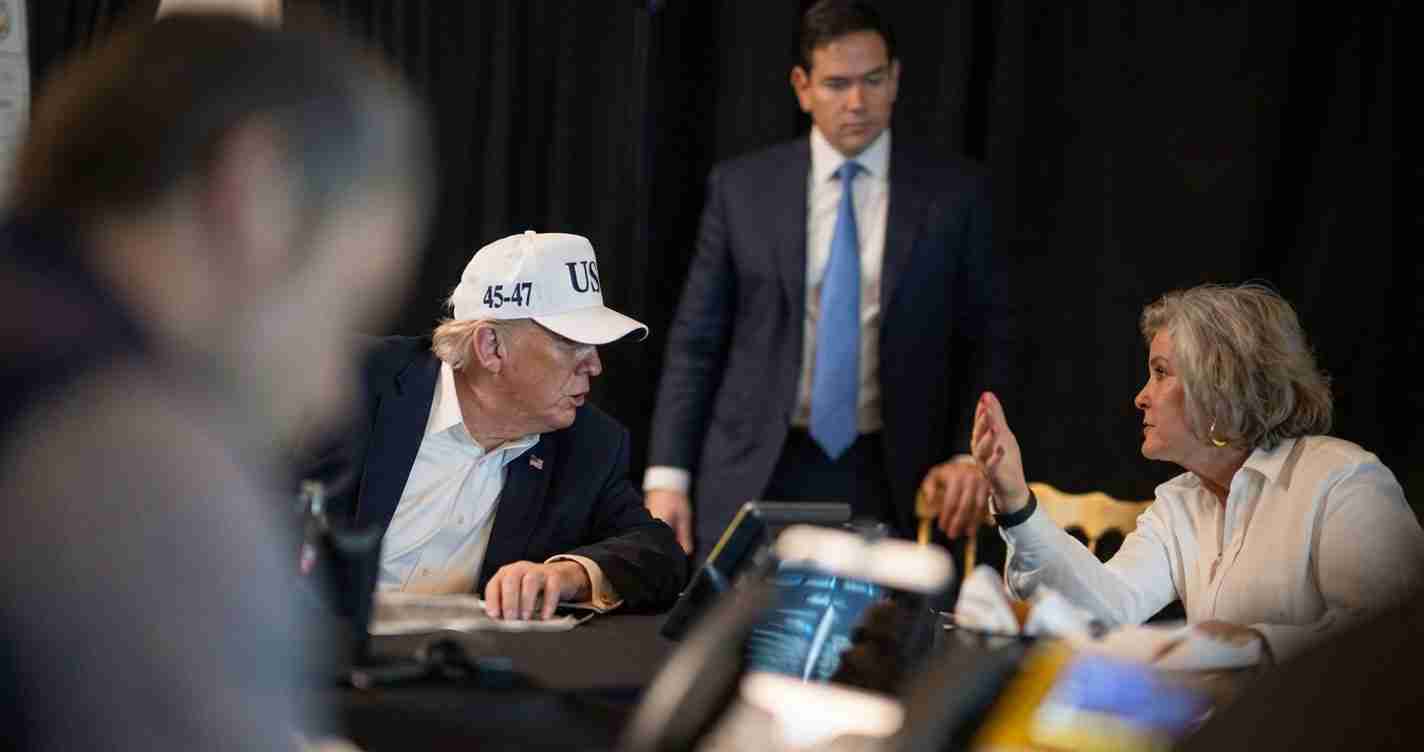
- Viral photo scrutiny: A widely shared photo from a Mar-a-Lago meeting showed Susie Wiles wearing a bandless wearable that sparked debate about whether it was a smartwatch — sources include Fox Business and The Chosun Ilbo.
- Manufacturer’s clarification: Whoop founder and CEO Will Ahmed identified the device as a Whoop tracker and said it is NSA-approved and lacks microphone, GPS and cellular capability — reducing recording or data-transmission risk (Fox Business).
- Context of the meeting: The photo captured President Trump and senior officials during an operation reported as Operation Epic Fury, when heightened device restrictions and security scrutiny are typical (The Chosun Ilbo).
What was seen and why it raised alarms
A White House photo from a Mar-a-Lago briefing room showed President Trump, Secretary of State Marco Rubio and other senior national security officials monitoring an operation identified by some reports as Operation Epic Fury (also referenced as Operation Grand Wrath). Viewers focused on a small, bandless device on Susie Wiles’ wrist that to some observers resembled a mainstream smartwatch.
Smartwatches and connected wearables are often restricted in rooms where classified or operational information is discussed because of their potential to record audio, collect location data, or connect to networks. That standard practice explains why the image prompted immediate concern online about potential Mar-a-Lago security issues.
Whoop CEO’s response and the device’s capabilities
Whoop founder and CEO Will Ahmed posted on X (Twitter) identifying the device. In a quoted response he wrote:
“It’s called a whoop,” — noting the device has no microphone, GPS, or cellular capability and is designed to measure physiological metrics like sleep, heart rate, and strain.
Ahmed emphasized the tracker is NSA‑approved, and explained Whoop hardware is primarily a sensor and strap that records physiological data and uploads only when synced through a paired base or dock. That design, he said, eliminates the typical recording/transmission risks associated with smartwatches.
Why the distinction matters
The practical difference between a fitness tracker and a full smartwatch is significant for secure settings. Smartwatches such as the Apple Watch can pair with phones, use Wi‑Fi, access GPS, and record audio — capabilities that create risk if classified conversations are captured. Trackers like Whoop that lack those outward-facing connectivity features are treated differently by security officials.
Security policies and open questions
Policies for sensitive meetings vary by venue and classification level. The mere presence of an unfamiliar device can trigger checks or temporary removal. Mar-a-Lago, which serves as a working presidential location at times, has a history of heightened scrutiny. Ahmed’s public clarification appears to have eased some online concern, but the White House has not publicly confirmed his assertions or described any internal review tied to the image.
Whoop and its credentials
Founded in 2012, Whoop markets a subscription-based tracker focused on athletes and performance users, emphasizing metrics such as sleep quality, strain and a composite recovery score. Ahmed noted partnerships and the company’s performance focus while positioning the tracker as a health device rather than a communications tool. The claim that the device is approved by the National Security Agency is notable; the only public confirmation to date comes from Ahmed’s posts.
Photo details and Wiles’ usual attire
Observers also noted that Susie Wiles frequently wears a Rolex at White House events; in the Mar-a-Lago image she wore the bandless Whoop strap instead. That visual change helped drive speculation about the device and whether it was permitted in the meeting.
Operation Epic Fury and heightened sensitivity
The timing of the meeting — during U.S. and allied actions reported to have killed Iran’s Supreme Leader, Ayatollah Ali Khamenei — made the setting unusually sensitive. During high-stakes operations, officials are particularly cautious about information leaks, and the optics of a wearable device in the room prompted rapid social-media scrutiny. Ahmed’s quick technical description aimed to replace speculation with detail.
Implications for Utah
Economic and defense contractors: Utah’s sizeable tech and defense contracting community pays close attention to incidents involving cleared personnel and device policies; clarification that an NSA‑approved fitness device — not a connected smartwatch — was present may reassure partners.
Workplace security and policy enforcement: State and local agencies and private employers in Utah may use the episode to review rules on personal devices in secure spaces. Clear lists of approved devices and verification procedures can reduce confusion and public alarm.
Public trust and optics: For conservative audiences in Utah that prioritize national security, Ahmed’s prompt clarification may calm some concerns — though the incident highlights the importance of transparent confirmation from security authorities.
Civil liberties and everyday tech use: Many Utahns use wearables for health and fitness. The distinction between closed fitness trackers and connected smartwatches may be unfamiliar; this event could prompt public discussion about privacy trade-offs and appropriate device use in professional or government settings.
Guidance for local leaders: Practical steps include publishing lists of approved devices, training staff to spot unauthorized tech, and establishing quick-review procedures for incidents that generate public concern.
Sources
– Fox Business: “It’s called whoop’: CEO pushes back security-violation claims after viral photo”
– The Chosun Ilbo (English): coverage identifying the device and reporting on the meeting