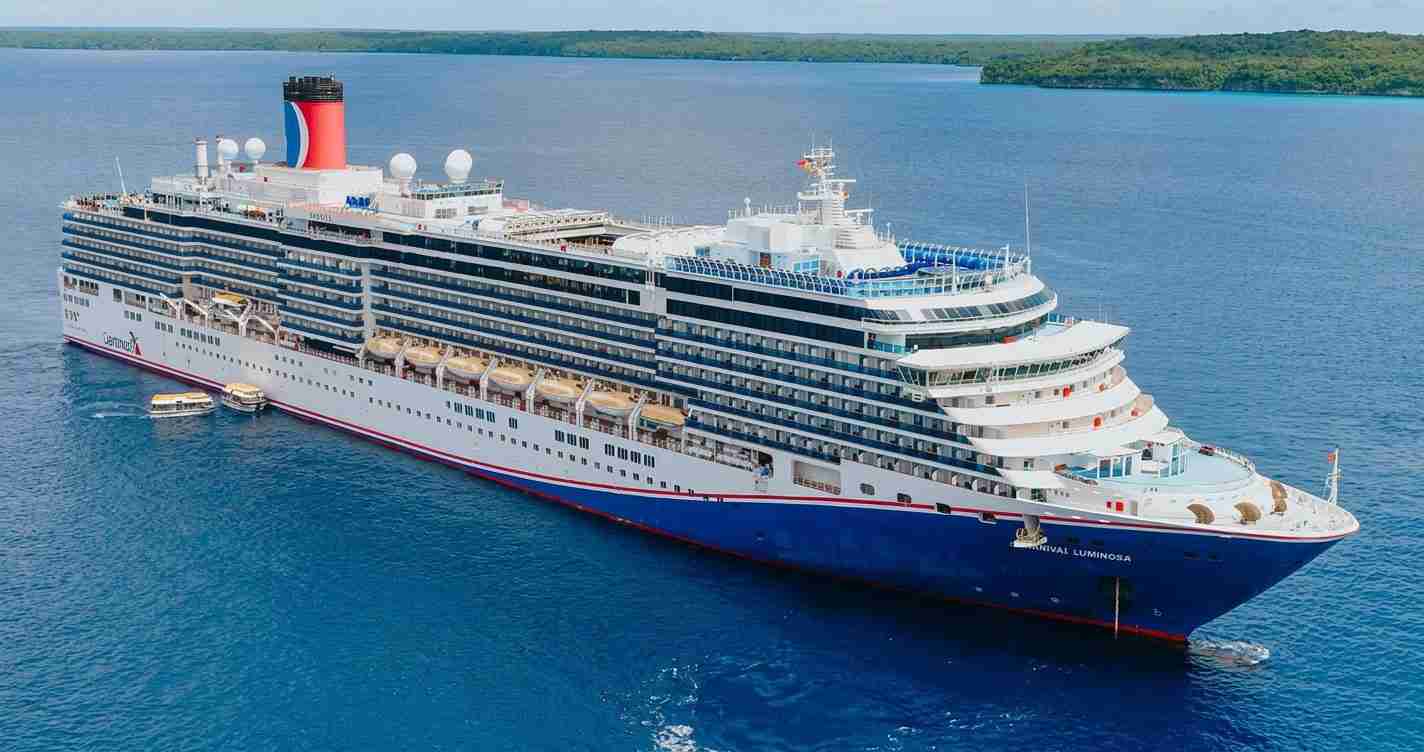
Carnival warns passengers to cover up in Lifou as cruise line stresses respect for local customs
Carnival Cruise Line told passengers visiting Lifou, New Caledonia to dress conservatively ashore, asking guests to respect local cultural and religious norms in beaches, markets and churches — warning that noncompliance could endanger future visits and itineraries.
- Destination-specific guidance: Carnival identifies Lifou as a port where more conservative dress ashore is requested.
- Pre-arrival advisory: Passengers on the Carnival Splendor received a notice before the June 2 Lifou call, as reported by Cruise Hive.
- What to avoid ashore: Reported guidance discouraged G-strings, thongs, monokinis, mankinis and prohibited topless sunbathing in public places.
- Compliance matters: Carnival warns that ignoring local customs could affect the line’s ability to continue visiting certain ports.
Key information
Carnival reminded guests that what is acceptable on board may not be acceptable ashore, and identified Lifou as a destination where local customs call for more conservative dress. See the Carnival dress-code page for destination notes.
Passengers on the Carnival Splendor reportedly received a pre-arrival notice ahead of the ship’s June 2 stop in Lifou, part of an eight-night sailing from Sydney, according to a report by Cruise Hive.
The notice, as reported, advised avoiding G-strings, thongs, monokinis, mankinis and prohibited topless sunbathing while ashore. The guidance applied to beaches and public areas such as markets, churches and community gathering spaces. Carnival’s published guidance already notes that some ports request one-piece or full-piece swimsuits and that ignoring local customs could affect future visits. See the Carnival dress-code page.
What Carnival says and what was reported
Carnival’s published dress-code guidance notes that many ports have cultural or religious norms that differ from on-board expectations. The company asks guests to “respect the local culture and rules in the ports we visit,” and specifically cites Lifou as an example of a tribal island where communities may request more conservative swimwear—favoring one-piece or full-piece suits over bikinis or monokini-style swimwear. The company’s guidance is available on the Carnival dress-code page.
Reports from cruise-focused outlets said the Splendor’s pre-arrival advisory discouraged G-strings, thongs, monokinis and mankinis, and said topless sunbathing is not allowed ashore in markets, churches and community spaces. (Cruise Hive)
Note: While Carnival’s dress-code page confirms destination-specific modesty guidance, some phrasing from the passenger notice—such as the specific list of banned items—was reported by Cruise Hive and is not reproduced verbatim on Carnival’s page.
Why Lifou is singled out
Lifou, part of New Caledonia in the South Pacific, is home to communities Carnival describes as “proud indigenous people whose culture is based on respect” and often “highly religious.” Local leaders have requested visitors wear traditional one-piece or full-piece swimsuits and avoid bikini- or monokini-type swimwear on beaches and in public spaces. Carnival frames this as a matter of cultural respect and local request rather than a shipwide dress-code change. See the Carnival dress-code page for details.
Onboard rules vs. ashore expectations
Carnival’s general policy remains largely casual for most onboard daytime settings, though the company reminds guests that bathing attire is not appropriate in many shipboard venues and that more formal dress is expected for certain evening dining. The key point is the difference between shipboard norms and port expectations. Carnival explicitly warns that failing to respect local customs could jeopardize the line’s ability to include ports—such as Lifou—on future itineraries. (See the Carnival dress-code page.)
Reporting and verification
The advice to passengers traveling to Lifou was reported by Cruise Hive ahead of the June 2 call. Carnival’s published dress-code page confirms the company advises travelers to follow destination-specific customs in some ports, including requests for more conservative swimwear in places like Lifou (Carnival dress-code page). Because the passenger notice was reported by Cruise Hive, some specific phrasing in that notice—such as the list of banned items—originates from that outlet’s report rather than Carnival’s public text.
Context — cruise port etiquette and industry trends
Cruise lines increasingly remind passengers that port rules can be stricter than shipboard norms. This trend reflects growing attention to local cultural sensitivity, pressure from destination communities, and the business imperative of keeping popular ports available to cruise itineraries. Carnival’s guidance is consistent with other carriers that post destination-specific guidance and require guests to act as respectful visitors. Suggested search terms: Carnival Lifou Dress Code, New Caledonia Cultural Dress, Cruise Port Etiquette.
What travelers should know and practical tips
- Pack one-piece or full-piece swimsuits: Carnival specifically cites these as preferred by local communities. See the Carnival dress-code page.
- Bring cover-ups: Lightweight sarongs or shirts are advised when moving between beach and village areas, markets or churches.
- Respect signage and requests: Communities may ask visitors to conform to religious or cultural standards in public places.
- Avoid consequences: Ignoring local rules could harm future access; Carnival warns noncompliance could affect port inclusion. (Carnival dress-code page)
- Questions before travel: Contact Carnival or your travel agent for destination-specific guidance.
Implications for Utah
Economic impact
- Utah has a large community of frequent cruisers and many travel agencies that sell cruises. If ports such as Lifou start restricting visits or if cruise lines remove destinations after repeat noncompliance, Utah travelers could see fewer South Pacific options on Carnival or similar itineraries.
- Local travel businesses that market these exotic calls may need to update promotional materials and advise clients on dress and behavior to avoid itinerary changes.
- Clear rules can prevent incidents that lead to fines, denied shore access or changed plans—outcomes that increase costs and create bad experiences for travelers and travel agents alike.
Political consequences
- The reminder dovetails with conservative values held by many Utahns, including respect for community standards and religious norms; leaders who emphasize personal responsibility may view Carnival’s advisory as reasonable.
- There could be debate about individual freedom of dress versus deference to host communities; local politicians and travel businesses may emphasize education and preparation rather than confrontation.
Social effects
- Utah’s family-oriented travel market may welcome destination-specific guidance that protects children and elders from uncomfortable situations.
- Travel forums and Utah-based cruising groups may amplify the message and share packing checklists, reducing noncompliance and preserving Lifou as a port of call.
Cultural relevance
Many Utah residents are familiar with respecting local norms when visiting religious or conservative places at home or abroad. The Lifou guidance mirrors cultural expectations Utahns already practice—favoring modest dress in churches and family spaces.
Practical applications for Utah travelers
- Travel agents and tour operators in Utah should inform customers booking South Pacific cruises about the Carnival dress-code page and broader cruise port etiquette before departure.
- Families and small-group organizers should include dress guidance in pre-trip briefings and packing lists to avoid shore-denial or embarrassing encounters.
- Utah media covering travel consumer issues can help by publishing clear checklists and linking to Carnival’s guidance.