How a Blackpool burger stand has sold the same £1 burger for nearly 20 years — and why Utah small-business owners should take note
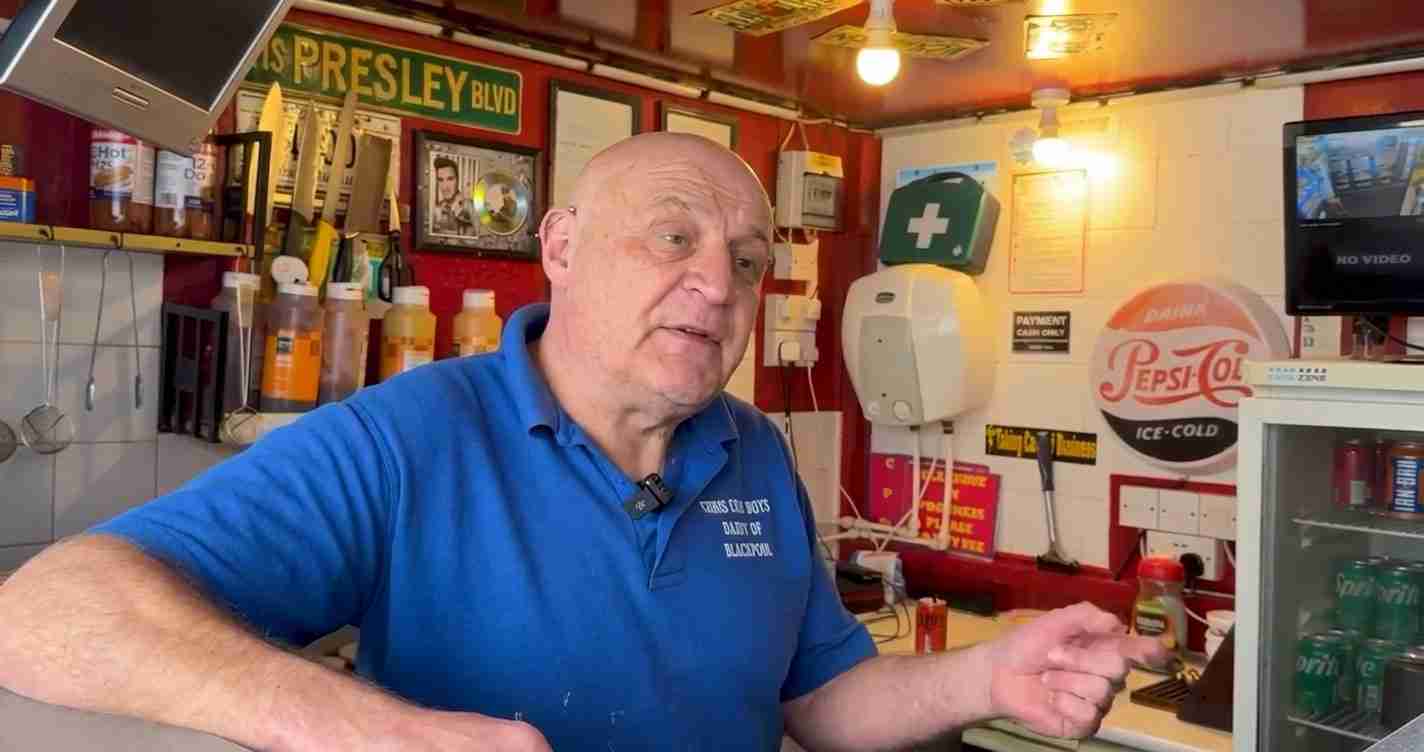
In Blackpool, England, Chris Higgitt has kept his signature burger priced at £1 since 2006. At Higgitt’s Las Vegas Arcade, bulk buying and high volume — amplified by viral social media — keep queues forming and sustain steady demand.
Key takeaways
- Simple, focused product: A no-frills £1 burger (bun, English beef patty, onions, sauce) enables fast prep and low waste.
- Cost control and volume: Bulk purchasing, tight operations and high foot traffic let a ~50p cost per burger produce workable margins if volume holds.
- Seasonal & social boost: Concentrating operations March–November and benefiting from viral videos turned a sideline into ~90% of revenue.
Key information
Business: Higgitt’s Las Vegas Arcade Blackpool & £1 Burger Bar, located in Blackpool, England (news agency SWNS; coverage via Fox News).
Owner: Chris Higgitt, formerly a processing and quality engineer, opened the burger bar in 2006 with his wife, Karen.
Price and costs: The signature burger has been sold for £1 (about $1.34) since 2006. Higgitt estimates the direct cost per burger at roughly 50 pence (~$0.68) and says about 90% of his income now comes from the burger business.
How the £1 burger began
The price started as a practical fix. Higgitt and his wife ran a bed-and-breakfast and later bought an arcade that wasn’t making enough revenue. During an “off‑the‑cuff conversation,” Higgitt did the math and realised he could sell a simple burger for £1 and make the idea work.
What began as a sideline became the main operation: the burger now accounts for about 90% of revenue and the stand runs seven days a week from March through November, the busy tourist season in Blackpool.
Menu simplicity: The burger is deliberately basic — bun, English beef patty, onions and sauce — and that no‑frills approach is central to keeping costs down.
How he keeps prices so low
Higgitt cites three practical strategies: bulk purchasing, operational efficiency, and high customer volume. He estimates a ~50% gross margin per burger if the direct cost is ~50p and the sale price is £1 — modest, but workable when volume spreads fixed costs.
- Bulk purchasing: Buying ingredients in large quantities lowers unit costs and cushions supplier price swings.
- Operational efficiency: A single, fast-prep product reduces labour, speeds service and limits waste.
- Volume and fixed costs: High foot traffic spreads rent and equipment costs across many sales. Customers often queue for over an hour at peak season.
Social media and the “viral burger” effect
TikTok creators and YouTubers have filmed visits to the stand, producing spikes in visitors keen to try one of Britain’s cheapest burgers. Higgitt views the coverage as free advertising that draws new customers.
“The profile of a local man serving a cheap burger and chatting with customers fits social media’s appetite for human, shareable moments.”
Menu, operations and business model beyond the £1 burger
Beyond the headline burger, the menu includes hot dogs, Spam sandwiches and sausage sandwiches — all low-cost items that fit the high-volume model. A limited menu simplifies training, cuts waste and allows quick scaling during the tourist season.
Seasonal focus: Operating daily during peak months lets Higgitt avoid some year‑round overhead while maximising revenue when demand is strongest. His personal presence behind the counter reinforces a hands-on, local brand.
What the available numbers do — and do not — show
Public reporting emphasises the novelty and human story. Much of the financial detail comes from Higgitt himself, leaving gaps: annual sales volume, exact profit margins and long-term sustainability of the £1 price remain unverified.
Higgitt’s self-reported figures (50p cost per burger; burgers ~90% of revenue) are useful indicators but would require invoices, utility bills and tax records for independent verification.
Why this story travels beyond Blackpool
- Human-interest: Local ingenuity and grit appeal broadly.
- Practical small-business tactics: Bulk buying, focus and volume are replicable ideas for many owners.
- Social amplification: Viral content can turn a corner stand into a tourist draw.
Implications for Utah
Economic lessons for small business owners
- Value and volume can work: Low prices can be sustainable with high sales volume and tight cost control — relevant for Utah tourist towns (ski areas, national-park gateways).
- Seasonal focus reduces risk: Concentrating operations in peak months can limit year-round overhead.
- Leverage social media: Welcoming creators can deliver low-cost advertising and broaden reach beyond local markets.
Political and policy angles
- Private innovation: The Higgitt model highlights entrepreneurship — smarter buying and lean operations — rather than subsidies as a way to protect consumers.
- Competition and choice: Low-price offerings broaden options for budget-minded visitors; streamlined permitting helps small vendors compete.
Practical effects for Utah residents and travelers
- Consumers: Seeking small, affordable local vendors can stretch vacation budgets.
- Local governments: Clear, streamlined permits and inspections can encourage small, seasonal vendors that support tourism.
What Utah restaurateurs should watch
- Monitor costs: Tight margins depend on supplier prices; contingency plans and long-term supply deals help.
- Protect reputation: Social media brings customers and scrutiny — consistent quality and food-safety standards matter.
- Know local demand: Beachfront volume isn’t identical to mountain resorts, but principles of focus and efficiency still apply.
Sources and reporting note
This article draws on reporting by the Times Media Service and on an interview with owner Chris Higgitt (news agency SWNS), as reported by the Fox News report on the £1 burger and Higgitt’s comments. Financial figures and operational details cited here come from Higgitt’s statements to reporters.
Limitations and open questions
Key numbers remain unverified by independent audit: exact sales volumes and a full expense breakdown (ingredient invoices, utilities, rent, labour) are not publicly available. The long-term viability of a fixed £1 price depends on future supplier and energy costs.
Additional reading and links
For full original coverage, see the Fox News report on the £1 burger and Higgitt’s comments.