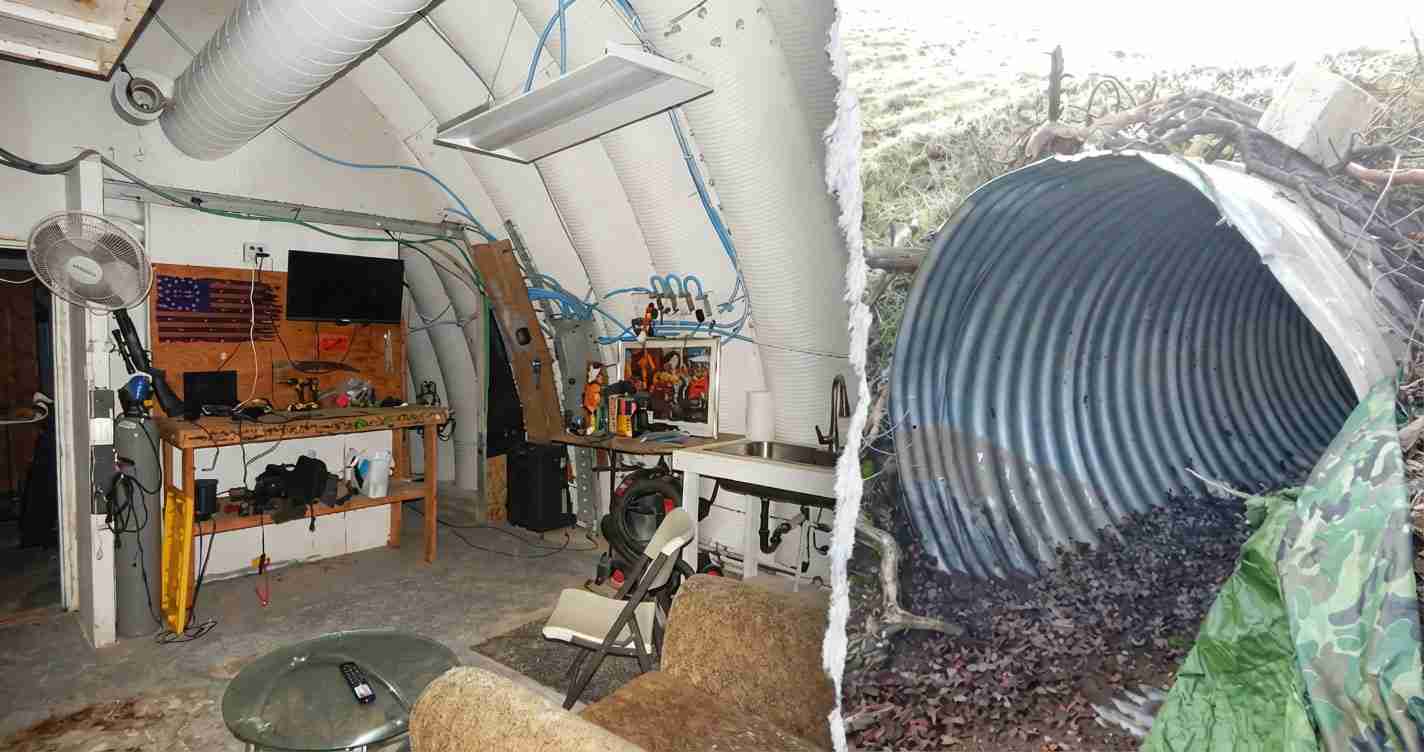
Anderson man arrested after fortified underground bunker and large weapons cache found during drug probe
Michael Jay Kamfolt, 40, of Anderson, California, was arrested Jan. 20, 2026, after CHP officers found a fortified underground bunker used for illegal marijuana cultivation and a large cache of illegal firearms and ammunition during a search.
- Search date: January 20, 2026; investigation began after a December 2025 tip.
- Discovery: A camouflaged entrance leading to a roughly 100‑foot culvert and a fortified underground bunker with power, ventilation and drainage.
- Seized: 13 firearms, about 10,000 rounds of ammunition (including armor‑piercing rounds), 30 high‑capacity magazines and four soft body armor vests.
Investigation and how authorities uncovered the bunker
The CHP Northern Division Canine Unit received a tip in December 2025 about suspected illicit marijuana cultivation on property in Anderson. Investigators used an aerial overflight through CHP Air Operations to verify signs of an illegal grow. After approximately one month of follow-up, the CHP Northern Division Warrant Service Team served a search warrant on January 20, 2026, transforming a drug probe into a broader weapons and public‑safety investigation.
Officers found a camouflaged entrance that led to a long culvert — roughly 100 feet in length — opening into an underground bunker. The CHP described the space as “fortified,” equipped with electrical power, ventilation, a concrete floor with built‑in drainage and equipment consistent with indoor marijuana growing.
What law enforcement found inside
The search produced a substantial and varied weapons cache. Items seized included:
- 13 firearms — including a sawed‑off shotgun and three AR‑15‑style rifles (one with the serial number obliterated).
- Two firearms linked to past thefts (one from 2016 and another linked to a 1978 theft).
- Approximately 10,000 rounds of ammunition, including rounds described as armor‑piercing.
- 30 high‑capacity magazines and four soft body armor vests.
“This operation went far beyond an illegal grow,” said CHP Northern Division Chief John Pinoli. “The combination of a hidden bunker and an alarming cache of illegal firearms and ammunition highlights the threat posed to public safety.”
Charges filed against Kamfolt
Michael Jay Kamfolt, 40, was booked on multiple state penal code violations tied to weapons offenses. The CHP listed the following charges:
- 30605(a) PC: Possession of an assault rifle
- 30600(a) PC: Manufacturing of an assault rifle
- 33215 PC: Manufacturing of a short‑barreled rifle
- 32625(a) PC: Possession of a machine gun
- 32625(b) PC: Converting a firearm into a machine gun
- 23920 PC: Possession of an altered firearm serial number
- 24610 PC: Manufacturing and possession of an undetectable firearm
- 496(a) PC: Possession of a stolen firearm
- 29180(b) PC: Manufacturing of a “ghost gun”
- 30315 PC: Possession of armor‑penetrating ammunition
- 32310(C) PC: Possession of a high‑capacity magazine
The investigation remains active as detectives pursue additional leads; the CHP has not reported further arrests as of the latest update.
Public reaction and online comments
Images and information released by the CHP drew strong reactions on social media. Some commenters romanticized the bunker as a “prepper” or “doomsday” setup; others expressed alarm at the volume and type of weaponry. CHP officials warned those reactions distract from the criminal risks posed to neighbors and first responders.
How this case moved from a drug probe to a weapons seizure
What began as a tip about illicit marijuana cultivation shifted when the facility’s design and contents suggested more than a grow operation. The presence of heavy armament, body armor and concealed, fortified infrastructure raised public‑safety concerns and broadened investigators’ focus to include weapons manufacturing, altered firearms and stolen weapons investigations. Multiple CHP units — canine, air operations and warrant teams — coordinated to locate and secure the site safely.
Legal and investigative next steps
State prosecutors will review evidence to determine specific filings. Charges involving manufacturing, converting firearms, obliterated serial numbers and armor‑piercing rounds carry significant penalties under California law. Investigators are following ledgers, sales records and other leads to determine whether additional suspects or prior criminal usage of the weapons exist.
Context: underground bunkers, weapons and illegal grows
Buried or hidden grow operations occur in California and other Western states. Illicit cultivation ranges from small indoor operations to large clandestine grows using infrastructure to hide plants and evade detection. When such operations include fortified bunkers and weapon caches, they present expanded risks: theft, trafficking, armed confrontation and distribution of modified weapons.
Investigators also warn about environmental and safety hazards: illegal hookups, polluted runoff, hazardous chemicals and stored live ammunition that endanger nearby communities and emergency responders.
Implications for Utah
Economic impact
- Law enforcement resources: Bordering Utah counties could face added pressure on sheriff’s offices and state patrols if criminal groups expand operations across state lines.
- Property and insurance: Illegal grows and bunkers can devalue land, increase fire/environmental risks and drive up cleanup or insurance costs for rural landowners.
Political consequences
For Utah officials focused on public safety and property rights, the case underscores the need for interagency cooperation and targeted enforcement against ghost guns, machine conversions and armor‑piercing ammunition — even among constituencies that broadly support Second Amendment rights.
Social effects
Rural communities may demand more patrols, tip lines and rapid responses. Public education on signs of illicit cultivation or bunker construction (disturbed soil, concealed power lines, unusual traffic patterns) can help residents report suspicious activity early.
Cultural relevance
In regions valuing self‑reliance and preparedness, officials caution against conflating lawful preparedness with criminal activity. Legal shelters and lawful supply storage differ fundamentally from hiding stolen or illegally modified weapons and running an illicit drug enterprise.
Practical applications for Utah residents
- Report suspicious activity: Notify local law enforcement about unusual construction, heavy nighttime traffic or clandestine power use.
- Strengthen cooperation: Counties should review mutual‑aid agreements with state and federal agencies; aerial resources and canine units can be decisive.
- Legal awareness: Homeowners and gun owners should review state laws on firearm modifications, ghost guns and armor‑piercing ammunition to protect communities and rights.
Sources and further reading
Primary source material and coverage:
The CHP said detectives continue to follow leads and that additional details will be released as the investigation progresses. This case — starting as an illicit cultivation inquiry — highlights how drug enforcement, weapons crimes and public safety concerns can intersect, requiring coordinated law enforcement responses.