DOJ releases court-ordered Epstein files; some claims in public reports not confirmed by official drop
The Department of Justice released the court-ordered Jeffrey Epstein files on Dec. 19, 2025, fulfilling the Epstein Files Transparency Act. The documents are available via the DOJ portal with redactions to protect victims and sensitive material.
- Release met the statutory deadline under the Epstein Files Transparency Act.
- Files published on the DOJ’s portal with significant redactions to protect victims and exclude child sexual abuse material (DOJ Epstein Library; DOJ disclosures).
- Widespread claims online about specific photo sets remain unconfirmed by the DOJ’s public listings and disclosures.
- Readers should rely on official sources such as the DOJ portal and the House Oversight materials for verification (House Oversight release).
Epstein Files Transparency Act and the timeline
Congress passed the Epstein Files Transparency Act in November 2025, requiring the attorney general to declassify and publish files related to Jeffrey Epstein’s prosecution, including a list of government officials and politically exposed persons provided to congressional Judiciary Committees. The bill cleared the House 427–1 on Nov. 18, passed the Senate by unanimous consent the next day, and was signed into law on Nov. 19, 2025.
Volume and types of material the DOJ had to review
Department of Justice records indicate reviewers processed nearly 100,000 pages plus a variety of physical and digital media: computers, CDs, storage drives, recording devices, photographs, travel logs, employee lists, and property blueprints. Reviews prioritized witness safety, ongoing investigations, and statutory privacy protections mandated by the Act.
Official disclosures and how to access them
The DOJ published the materials through the DOJ Epstein Library and the DOJ disclosures page. The department states it processed thousands of documents and redacted content that could identify victims or contain child sexual abuse material. The portal supports search and download of available items.
Statements from the department and other officials
Attorney General Pam Bondi acknowledged new information had emerged that might justify withholdings. The White House provided a “Phase 1” set of binders to select figures before the deadline; some lawmakers criticized those briefings as incomplete. DOJ teams reportedly reassigned personnel, including counterintelligence specialists, to accelerate the review process before the statutory cutoff.
Reported “four data sets” and high-profile photos — verified?
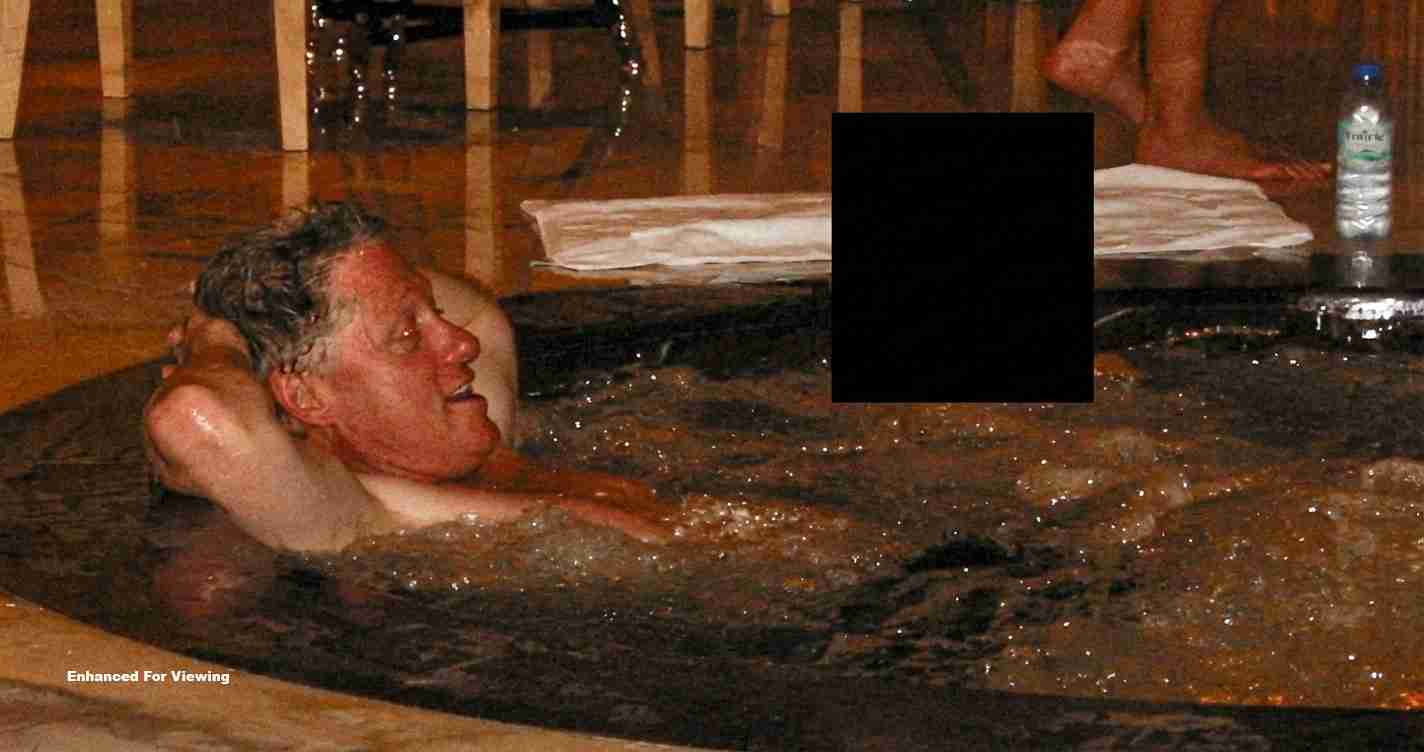
After publication, social posts and news reports described four discrete data sets in the release — including property photos and personal photos of Epstein with public figures. However, searches of the DOJ portal and the department’s disclosures page do not confirm a formal DOJ breakdown that matches those specific labeled sets. The DOJ lists large volumes of material and notes redactions but does not itemize a separately numbered set of property or personal images as some reports claim.
Specific claims about Epstein pictured with high-profile people
Unverified reporting has asserted the release contains personal photographs of Epstein with high-profile individuals, including former President Bill Clinton, and images showing Epstein shirtless on sofas or aboard helicopters and boats. As of the official release date, neither the DOJ portal nor other government pages explicitly confirm these precise depictions as part of a separately labeled data set. Prior congressional disclosures referenced visitor logs and redacted mentions of visitors, but the new public documentation does not validate every circulating photo claim. Treat such detailed photo assertions as unconfirmed unless directly traceable to the DOJ portal or authenticated government sources (House Oversight release).
Why some details remain unclear
Several factors explain gaps between online claims and the DOJ’s public listings:
- Redactions: Large swaths were redacted to protect victims and to comply with laws prohibiting dissemination of child sexual abuse material.
- Sheer volume and time pressure: The DOJ reviewed massive data under a 30-day deadline, complicating cataloging and indexing.
- Prior, different releases: Earlier disclosures to congressional committees and House oversight releases contained different item sets and redactions, adding to public confusion.
Primary sources for readers
Readers should consult primary documents and official pages:
- DOJ Epstein Library and DOJ disclosures
- Background on the Epstein Files Transparency Act and legislative history
- House Oversight Committee pre-Act release and documents
Implications for Utah
Legal and political consequences for Utah conservatives
Utah voters and leaders who prioritize transparency will watch whether the DOJ release sheds light on official contacts. The Act was presented as a tool to reveal what the government knew and who was involved. Utah conservative officials may leverage the release to call for oversight or reforms, especially if the executive branch appears to have withheld information.
Social and community impact in Utah
The redacted release highlights the tension between transparency and victim protection. Utah communities, faith groups, and victim-advocacy organizations may press for increased local resources and accountability. County prosecutors and state lawmakers could review whether state records or civil suits intersect with the federal disclosures, particularly if any Utah-based individuals or businesses are referenced.
Practical effects for Utah residents
Most Utah residents are unlikely to face direct economic consequences from the federal release. However, the materials could trigger additional litigation by victims seeking damages, which may have ripple effects if local institutions or professionals are implicated. The release may also heighten media coverage and civic debate, shaping voter perceptions ahead of elections.
What Utah officials can do next
Recommended next steps for state and local leaders:
- Review the DOJ Epstein Library for items relevant to state investigations or civil actions.
- Coordinate with federal authorities on jurisdictional questions or evidence handling.
- Advocate for enhanced victim services and stronger local legal protections to prevent future abuse.
- Encourage constituents to consult authenticated documents rather than social media claims.
Reporting note
This article relied on the Department of Justice’s Epstein portal and disclosures, a House Oversight Committee release, and public summaries of the Epstein Files Transparency Act as of Dec. 20, 2025. Readers are encouraged to review the DOJ’s Epstein Library for documents and to treat unverified social media claims about specific photo contents or labeled “data sets” with caution (House Oversight release).