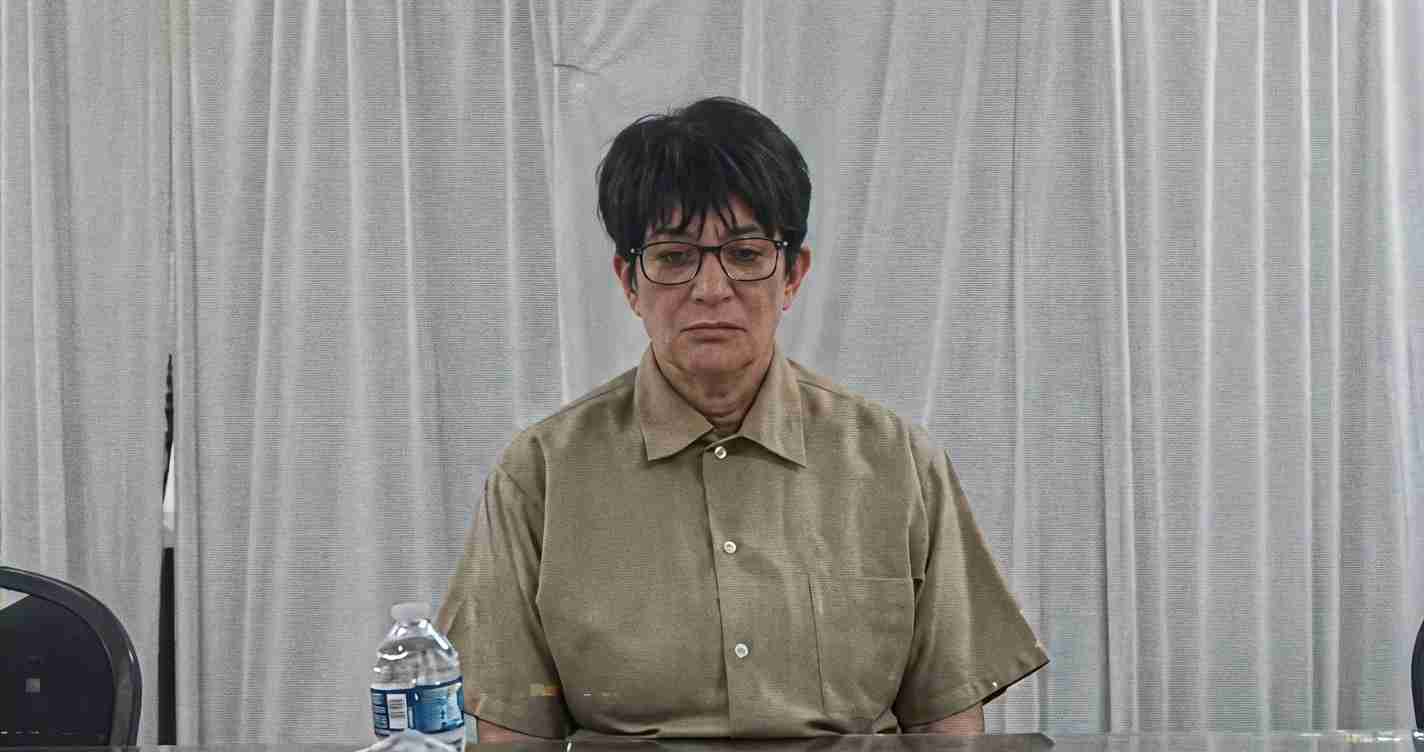
Maxwell Pleads the Fifth, Ends Virtual House Deposition After Minutes — Lawyer Signals Willingness to Testify Only If Trump Grants Clemency
Ghislaine Maxwell invoked her Fifth Amendment right during a virtual closed-door House Oversight Committee deposition on Feb. 9, 2026, ending the session quickly after her attorney conditioned full testimony on a potential presidential clemency offer.
Key takeaways
- Maxwell pleaded the Fifth less than an hour into a virtual deposition in the bipartisan Jeffrey Epstein House probe (ABC News).
- Attorney David Oscar Markus read a statement clearing former Presidents Donald Trump and Bill Clinton and said Maxwell would testify fully only if granted clemency by Trump (Politico; ABC News).
- The Oversight Committee said the probe will continue with scheduled depositions including Leslie Wexner and former President Bill Clinton (ABC News).
Deposition ended quickly after invocation of rights
The virtual session began with Maxwell joining from a federal minimum-security prison in Texas, where she is serving a 20-year sentence for her role in the Jeffrey Epstein-related convictions. Less than an hour after opening statements, Maxwell invoked her constitutional right against self-incrimination and declined to answer further questions. The committee then ended the closed-door session. Sources reporting the timeline include ABC News.
“She invoked her Fifth Amendment rights and would not proceed with testimony,” committee members said after the session ended.
Attorney frames invocation as protection amid active legal fights
Maxwell’s lawyer, David Oscar Markus, told the committee in an opening statement that Maxwell faces active legal matters — including a pending habeas corpus petition seeking to overturn her conviction or reduce her sentence — and that answering questions could harm ongoing appeals and other legal rights. Markus argued those circumstances justified asserting the Fifth Amendment (Politico).
In the same remarks, Markus used public statements to clear two high-profile figures, saying both former President Donald Trump and former President Bill Clinton are innocent of wrongdoing and asserting that Maxwell alone could explain disputed facts. He then set a condition: Maxwell would provide full testimony only if granted clemency by President Trump. The statement was posted publicly and replayed for the committee (ABC News; Politico; YouTube).
Lawmakers react along partisan lines
Committee Chairman James Comer (R-Ky.) called Maxwell’s decision “very disappointing” and emphasized the panel’s commitment to pursuing answers for victims and continuing the probe. Comer rejected offering clemency or immunity in exchange for testimony and said the committee will press on with additional witnesses (ABC News).
Republican members expressed frustration at the lack of testimony. Rep. Andy Biggs (R-Ariz.) said Markus repeatedly emphasized the habeas petition and the lawyer’s insistence that Trump and Clinton be cleared. Democrats accused Maxwell of using the deposition to push for a pardon: Rep. Suhas Subramanyam said Maxwell “should have no hope of ever getting out of prison,” while Rep. Jasmine Crockett criticized the clemency condition as political gamesmanship rather than contrition (ABC News; YouTube).
Context: prior offers, immunity and limited questioning
Background: Maxwell previously sought immunity from the committee; that request was turned down after bipartisan meetings with survivors. She had limited protected communications under prior arrangements with the Department of Justice. Her Supreme Court appeal of aspects of her conviction was denied, and her habeas petition remains active. Markus cited those legal entanglements as reasons for refusing to answer committee questions now (ABC News; YouTube).
Ongoing oversight work and scheduled witnesses
Committee officials said the investigation will continue despite Maxwell’s silence. The panel has scheduled deposition dates to fill gaps: Leslie Wexner is expected on Feb. 18; Hillary Clinton is set for Feb. 26; and Bill Clinton is scheduled for Feb. 27. The committee also plans to call Epstein’s accountant and lawyer in the coming weeks (ABC News).
On the same day as Maxwell’s deposition, Reps. Ro Khanna (D-Calif.) and Thomas Massie (R-Ky.) planned to access unredacted Epstein files at the Department of Justice to inform next steps in the probe (ABC News; Politico).
The clemency question and political fallout
Markus’s public linkage of Maxwell’s full testimony to a potential Trump pardon created immediate political friction. Former President Trump has previously said he would not rule out pardoning Maxwell, and Democrats argued the clemency pitch was politically motivated. Republicans defended the probe’s purpose but face pressure from both sides over any suggestion that testimony could be conditioned on pardons (ABC News).
Legal view: Legal experts note a presidential pardon could remove Fifth Amendment protection for certain questions about federal offenses covered by the pardon, potentially allowing testimony without self-incrimination concerns; but the path is complex and could trigger additional legal challenges. Committee leaders say they will not provide immunity and will instead pursue witnesses and documents to build their record (Politico).
Implications for Utah
Economic impact: The Maxwell testimony and the broader House probe are unlikely to directly affect Utah businesses or markets. Still, national investigations can shift congressional focus and federal spending priorities, potentially causing small indirect effects for Utah contractors.
Political consequences: For Utah’s conservative voters and GOP leaders, the episode raises issues of accountability and skepticism of perceived political theater. Maxwell’s invocation of the Fifth and the clemency angle could deepen calls among Utah Republicans for thorough, nonpartisan fact-finding.
Social effects: Victims’ advocacy groups in Utah and nationwide follow these developments closely. Maxwell’s refusal to testify may be painful for survivors who hoped congressional oversight would provide answers, and could renew activism around support services for trafficking survivors.
Cultural relevance: The debate over whether testimony can be conditioned on a pardon will likely resonate with Utah voters who value personal responsibility and legal clarity; concerns about transactional clemency may clash with protections for due process.
Practical applications: Utah residents who contact their members of Congress can influence local lawmakers’ approaches: requests for unredacted documents, more depositions, or additional resources for trafficking survivors could shape the state response.
Ongoing work to watch
Key next steps include scheduled depositions (Wexner, Hillary Clinton, Bill Clinton), the committee’s review of documents, and access to unredacted DOJ files by members of Congress. Tracking committee releases, depositions, and filings in Maxwell’s habeas petition will be essential for those seeking the full picture.
Reporting and source notes
This account draws on reporting from ABC News and Politico, and includes statements posted publicly by Maxwell’s attorney. Video statements and committee excerpts referenced are available via posted clips on YouTube and YouTube.