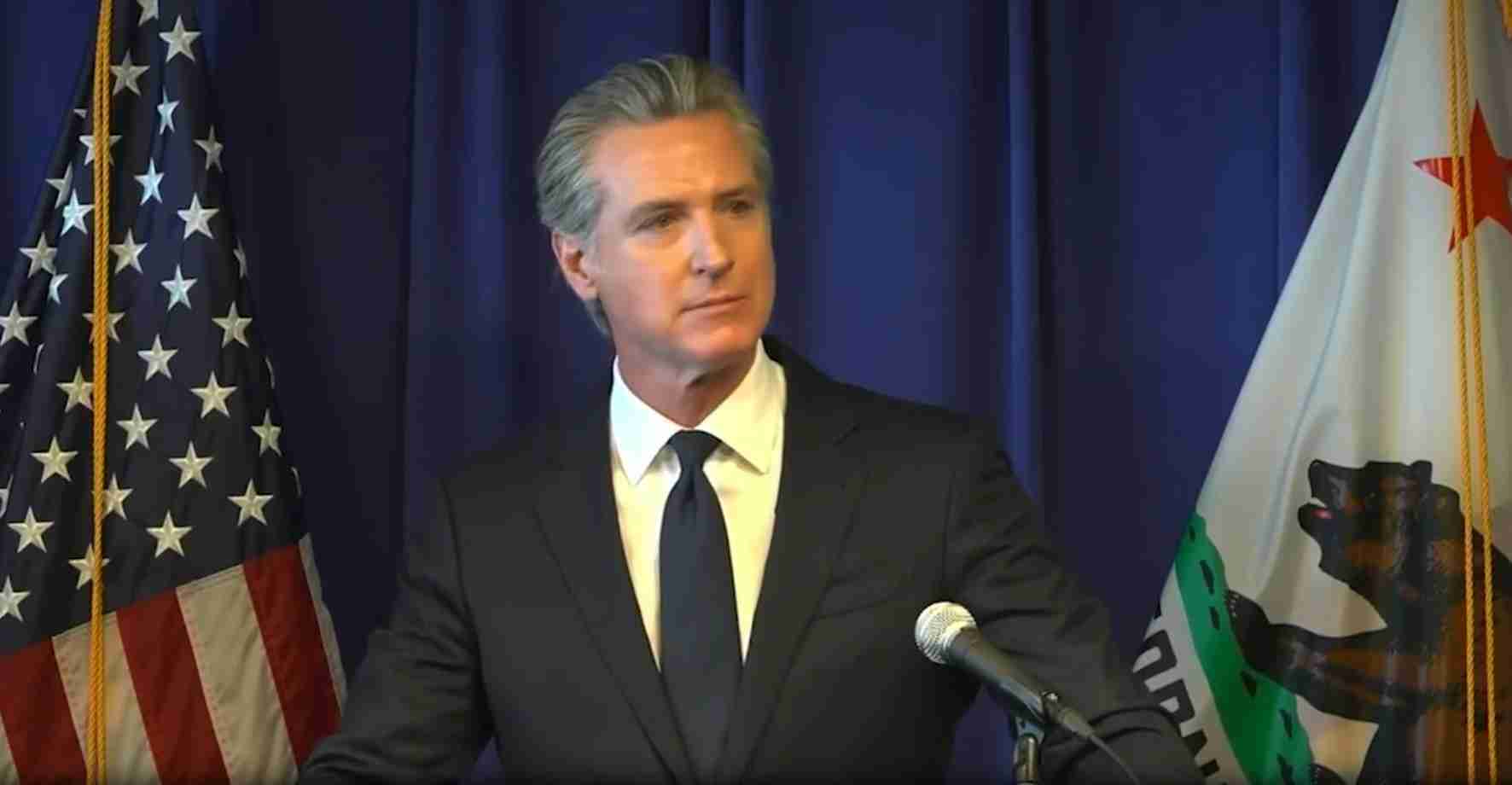
Newsom invokes Scripture in broadside at GOP over food aid disruption as states weigh legal fight with USDA
Government shutdowns can disrupt federal food programs like SNAP, threatening benefits and administrative funding. This article examines how states, including Democratic-led ones, consider legal action to protect aid and vulnerable households during funding gaps nationwide.
- Reported but unverified: Gov. Gavin Newsom was said to have invoked Scripture criticizing Republicans; no public transcript or video was located as of publication.
- SNAP risk: The Supplemental Nutrition Assistance Program is federally administered by USDA and can face operational and administrative disruptions in a shutdown.
- Legal precedent: States have sued federal agencies over funding crises in the past, though Times Media Service did not find a contemporaneous, filed lawsuit tied specifically to a Nov. 1 cutoff.
- Local stakes: A funding gap could strain state budgets, vendors, food banks and households, prompting states to consider reserve funding, emergency actions or litigation.
What was reported — and what we could verify
Multiple outlets and social posts circulated claims that Gov. Gavin Newsom invoked Scripture while criticizing Republicans over a looming federal shutdown and its impact on food assistance programs. Times Media Service searched public remarks, press releases and major news transcripts and did not find an on-the-record quote or video clip showing the governor using a specific Bible verse on this topic.
Newsom’s office did not provide a transcript or statement to Times Media Service by the deadline. Without a direct record, the alleged scriptural remark is treated here as an unverified allegation. At the same time, the broader, verifiable claim — that a shutdown can disrupt food assistance and that states sometimes sue federal agencies to protect benefits — is well established.
How government shutdowns affect SNAP and other food assistance
SNAP provides monthly benefits to eligible low-income households and is administered by the U.S. Department of Agriculture’s Food and Nutrition Service. In normal budget cycles, Congress approves appropriations and USDA makes payments to states, which distribute benefits to households.
When Congress fails to pass appropriations or a short-term funding measure, a partial government shutdown can delay federal operations. For SNAP the risk is often in disrupted administrative funding, state reimbursements and related services that support distribution and access rather than an immediate, uniform halt to benefits.
For agency background, see the USDA Food and Nutrition Service page on the program.
Past legal fights: when states took the federal government to court
There is precedent for litigation when federal action or inaction threatens benefits. In previous budget crises, states and advocacy groups have sued federal agencies seeking court orders to maintain payments or pause harmful policy shifts. Democratic-led states have sometimes led these challenges, arguing they protect vulnerable residents.
Times Media Service did not locate a contemporaneous, published lawsuit that specifically states “California and other states sued the USDA over a looming Nov. 1 cutoff” among the materials reviewed. A video reference to past litigation discussions around SNAP and shutdowns appears in preliminary research, but that alone does not establish a new, active case tied to Nov. 1.
What a Nov. 1 cutoff would mean — the practical stakes
A hard cutoff date for federal support would pressure states and charities. If administrative funds or reimbursements stopped, states could face delayed paperwork, interrupted vendor payments and increased strain on emergency food providers. Households that depend on SNAP might see lapses if state systems cannot make timely payments.
It is important to distinguish program law from annual appropriations: SNAP’s statute governs eligibility and benefit formulas, but appropriations affect the flow of money used to operate the program. That is why shutdowns create both legal and operational disputes that sometimes end up in court.
State vs federal agencies: why litigation is an available tool
Litigation is one of several tools states use when federal actions or funding gaps threaten residents. Lawsuits commonly assert either that a federal agency exceeded statutory authority or that a funding lapse will cause irreparable harm. Courts may grant temporary relief or defer to the political branches.
From a conservative perspective, litigation can be framed as a defense of state responsibility and a check on federal overreach: states assert they will protect residents rather than accept unfunded federal mandates.
Political and moral rhetoric — why leaders invoke Scripture
Public officials often use moral language or religious references to frame arguments about basic needs. Invoking Scripture can appeal to civic values about caring for the poor; it can also spark debate about who should fund and manage assistance — federal government, state government, private charities or families.
Because no transcript or recording of the alleged Bible reference by Gov. Newsom was verified, readers should treat reports of that invocation cautiously.
Implications for Utah
Economic impact: Utah’s mix of public and private safety nets differs from California’s, but the state still relies on federal food assistance. A disruption could increase demand on Utah food banks and charities, requiring emergency funds or resource reallocation.
Political consequences: Utah’s conservative leaders may frame a shutdown as federal failure while promoting local solutions and contingency planning that emphasize state and private-sector roles.
Social effects: Families on SNAP in Utah could face immediate strain if administrative disruptions delay assistance. Rural communities and schools that coordinate with SNAP could see sharper short-term impacts.
Cultural relevance: Utah’s faith-based and civic organizations traditionally step up during crises. While private charity can mitigate harm, volunteer networks may not match federal funding for scale.
Practical applications for Utah residents and policymakers:
- Review contingency plans: identify reserve funds, streamline state administration and coordinate with food banks and faith-based groups now.
- Press Congress to avoid a shutdown and consider contingency measures that shield assistance from short-term stalemates.
- Residents and program operators should contact state representatives for guidance on local services and emergency resources.
What to watch next
- Any on-the-record statement from Gov. Newsom’s office confirming the alleged Scripture invocation.
- Official filings or press releases indicating California or other states have filed suit against USDA tied to a specific cutoff date.
- Congressional action to avert a shutdown and any USDA guidance on benefit administration during funding gaps.
Source links and reporting trail
- USDA — SNAP program overview
- Video reference to past litigation discussions around SNAP and shutdowns
- Background photo/story site cited in initial research
This article will be updated if the governor’s office provides a transcript or if a formal lawsuit is filed and publicly available.