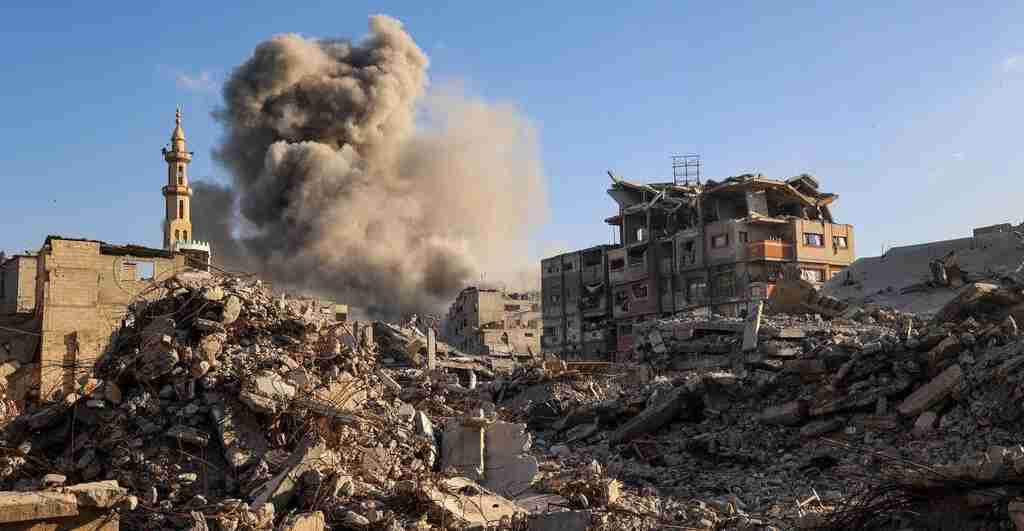
IDF Fortifies “Yellow Line” Positions as Intelligence Warns of Renewed Hamas Tunnel Threat; Gaza Cease-fire Shows Strains
In late 2025, the Israeli Defense Forces significantly reinforced Yellow Line defenses along the Gaza border amid intelligence of renewed Hamas tunnel-digging and strains on a fragile cease-fire, deploying new detection technologies and rapid-reaction units to reduce asymmetric threats.
- Heightened defenses: Extra barriers, underground sensors and fast-response units bolstered Yellow Line sectors at highest risk.
- Renewed tunnel concern: Military intelligence reports chatter and technical effort around tunnel-digging that could be used if the cease-fire deteriorates.
- Layered detection: Ground-penetrating radar, seismic arrays and an upgraded “smart fence” feed real-time data to rapid-reaction teams.
- Civilian readiness: Reserve anti-tunnel units on alert and border communities receive updated civil-defense guidance and support services.
Increased fortifications along the Yellow Line
The IDF’s recent moves focus on what soldiers and planners call the Yellow Line — defensive positions inside Israel but close to the Gaza fence where troops can react quickly to cross-border threats. Over recent weeks, engineers have added layers of obstacles and hardened positions at key sectors that history and intelligence mark as likely infiltration corridors.
“Fortifying the Yellow Line is about giving local communities time and the military space to respond, ” a defense source told Times Media Service. The work has included reinforced berms, improved observation posts and wider deployment of mobile rapid-reaction teams that can move to suspected tunnel exits the moment signs of activity are detected. See IDF site for background on defensive measures.
Detection technologies deployed to counter tunnel threat
One of the core enhancements is a push to get more sensing systems under the ground. The IDF and allied engineers have accelerated deployment of ground-penetrating radar and seismic sensors in strips along the border. These systems are designed to pick up tunneling noise, shifts in soil density and other anomalies consistent with underground digging.
Officials acknowledge that no technology is perfect, but argue that layered detection improves the odds of finding tunnels before they are used. The upgraded “smart fence” now feeds data continuously into intelligence centers that can task drones, engineers and infantry to investigate in near real time. For wider context on detection research see Reuters and BBC.
Troop movements, reserve activation and readiness
Alongside sensors, the IDF has increased troop presence and readiness at Yellow Line positions closest to Gaza. Reserve battalions trained in anti-tunnel operations have been placed on alert for rapid deployment. Local commanders are running drills to practice extracting civilians to safe rooms and moving response teams to suspected tunnel breach points.
Municipal authorities in border communities have issued updated guidance to residents, reaffirming the use of safe rooms and rapid communication channels. Support services for families — from mental health hotlines to supply caches — have been expanded in anticipation of any sudden incidents. (Local municipality briefings; reports from border councils)
Intelligence picture: Hamas tunnel threat and cease-fire strain
Military intelligence assessments cited by defense sources indicate increased chatter within militant networks about tunnel options should political or security pressure mount. Hamas retains technical know-how in subterranean construction from past years and values that capability as both a tactical asset and a bargaining chip in any renewal of hostilities.
At the same time, the cease-fire established with Egyptian and Qatari mediation remains fragile. Periodic rocket fire, sniper incidents and detected tunnel works have all added pressure. Diplomats and observers warn that miscalculation on either side could rapidly escalate. United Nations officials and regional mediators continue to urge restraint while monitoring the situation. See UN OCHA on Gaza monitoring.
Civilian impact: border communities on edge
For Israeli border towns and kibbutzim, the renewed focus on the Yellow Line is a reminder of past tunnel raids that caused heavy losses and fear. Residents report heightened anxiety even as military steps aim to reassure them. Authorities have distributed additional emergency supplies and re-run civil-defense drills in schools and community centers.
Israeli officials stress deterrence and protection: harden positions so tunnels are harder to build or exploit, detect them sooner, and respond fast enough to prevent mass-casualty attacks. Humanitarian groups and international monitors continue to track the humanitarian toll inside Gaza where restrictions and the threat of renewed hostilities complicate aid efforts. See ICRC and UN OCHA for humanitarian context.
Political and strategic implications
Within Israeli policy circles, debates intensify over how to tie security measures to broader political steps. Some leaders argue firm military preparations strengthen Israel’s negotiating position and protect civilians — a position that resonates with conservative audiences prioritizing national defense. Others warn that sustained escalation could undermine diplomatic gains and increase humanitarian suffering in Gaza.
Regional mediators indicate they will press both sides to avoid actions that could break the cease-fire, while noting that stripping away offensive tunnel capabilities is a stated Israeli negotiating goal for longer-term calm. International reactions are likely to vary, with some governments urging restraint and others emphasizing Israel’s right to defend its border communities. (Diplomatic reporting: Associated Press; Reuters)
Analysis: why tunnels remain a top concern
Tunnels represent a low-cost, high-impact asymmetric threat. They allow militants to bypass surface defenses, target civilian areas, smuggle weapons or stage surprise attacks. For the IDF, stopping underground threats is harder than intercepting rockets — it requires a mix of technology, engineering work and human intelligence.
Defense analysts say the current strategy — hardening the Yellow Line, expanding detection layers and keeping quick-reaction forces ready — is a pragmatic attempt to reduce risk while keeping pressure on Hamas to avoid renewed offenses. The balance is delicate: too little readiness invites attack; too much force risks provoking escalation.
Implications for Utah, United States
Strategic and political alignment: Utah leaders and many residents with conservative views often prioritize strong alliances and robust defense cooperation with partners like Israel; developments strengthening border defense may be viewed positively by state lawmakers.
Military and intelligence cooperation: U.S.–Israeli defense and intelligence ties could draw renewed attention in Congress and at the state level, especially among Utah’s delegation and veterans’ groups.
Humanitarian and refugee considerations: Utah’s faith-based and humanitarian organizations may mobilize fundraising or coordination with national groups; local officials could prepare for potential refugee or diplomatic assistance needs.
Local political conversation and practical impact: Coverage in Utah is likely to emphasize deterrence and self-defense. Direct effects on residents will be limited, though indirect economic and security implications — such as energy price shifts — could affect fuel prices and transport costs. Utah’s military and veteran communities may engage more in policy debates and support initiatives.
Sources and further reading
- Israel Defense Forces (official)
- United Nations Office for the Coordination of Humanitarian Affairs (OCHA)
- International Committee of the Red Cross (ICRC)
- Reuters
- Associated Press
- BBC News
Reporting credits
Times Media Service reporting from Gaza City and defense-source briefings.